 The lesson is not that every country should copy another country's political or economic model /FILE
The defining challenge of the 21st century is not deciding which country should dominate the world. It is deciding whether nations can learn to prosper together.
At a time of geopolitical tension, economic uncertainty and rapid technological
change, the global community needs fewer walls and more bridges. The countries
that understand this principle will be better positioned to shape the next era
of development.
For much of modern history, international influence has been concentrated among a relatively small group of wealthy industrialised nations. Their institutions, currencies, companies and political ideas have shaped the rules of global commerce.
Yet the economic map of the world is changing. Growth is increasingly being driven by Asia, Africa, Latin America and other emerging regions.
This shift should not be viewed as a threat. It should be recognised as an opportunity to create a more balanced international system.
China's transformation offers one important example of how long-term planning, industrial development and international trade can reshape a country's economic position.
Over several decades, it evolved from a predominantly agricultural economy into a major manufacturing and technological centre.
Its growing role in global commerce has also expanded the choices available to developing countries seeking investment, infrastructure and access to international markets.
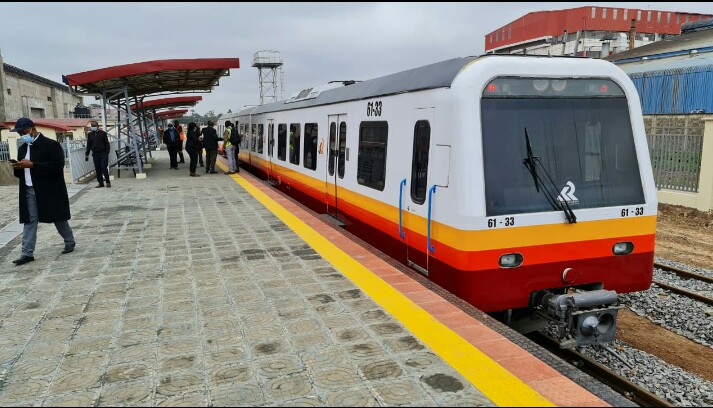
The significance of this transformation goes beyond national borders. Developing economies often need roads, railways, ports, electricity networks, telecommunications and industrial facilities before they can fully participate in international trade.
Private investors may hesitate to enter markets where
infrastructure is inadequate or risks are high. Development partnerships can
therefore make a crucial difference.
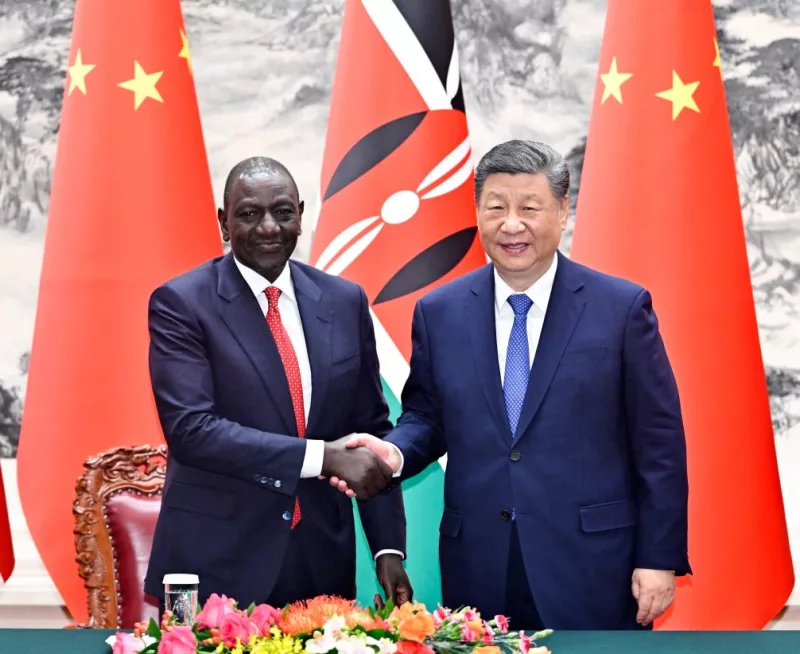
This is particularly relevant across Africa, where many countries are seeking faster economic transformation while confronting infrastructure gaps. Greater engagement with Asian economies, including China, has created additional avenues for trade, investment and technological cooperation.
The value of such relationships should be judged primarily by whether they help countries build productive capacity and expand opportunities for their populations.
Technology makes this argument even stronger. The future economy will depend heavily on renewable energy, electric mobility, artificial intelligence, advanced manufacturing and digital infrastructure.
Countries that can obtain these technologies at competitive prices have a chance to accelerate development rather than spending decades following the same path taken by earlier industrial powers.
This is where international cooperation becomes more valuable than geopolitical suspicion. If affordable technology can help a developing country expand electricity access, improve transportation, modernise agriculture or build manufacturing capacity, its origin should matter less than its usefulness.
The same principle applies to global trade. Protectionism may appear attractive when domestic industries face competition, but excessive economic separation can make products more expensive, slow innovation and reduce opportunities for poorer countries.
A connected global economy gives businesses access to larger
markets and gives consumers greater choice.
The lesson is not that every country should copy another country's political or economic model. Development cannot be imported as a complete package.
Each nation has its own history, institutions and priorities. What can be shared, however, are practical lessons: invest consistently, build productive capacity, develop infrastructure, educate people, embrace useful technology and remain open to international commerce.
Beijing's growing economic engagement with the developing world is therefore best understood within this wider movement toward a more diversified global economy.
As more countries gain the capacity to trade, invest and innovate, international influence becomes less concentrated. That can give developing nations greater room to pursue their own priorities.
The emerging global order should not be framed as a contest between winners and losers. The success of one major economy does not automatically require the decline of another.
A more productive interpretation is that economic power is becoming more distributed, giving developing countries greater room to negotiate, trade and pursue their own ambitions.
The world does not need a single economic centre. It needs a network of centres connected by trade, technology and mutual interest.
The most promising future is one in which countries compete where competition encourages innovation, but cooperate where cooperation produces shared gains.
That is the real opportunity before the international community. Instead of asking who deserves to lead, the better question is what kind of global system can allow more people to participate in prosperity.
The answer lies in connectivity, practical cooperation and respect for different paths to development.
A changing world should not frighten us. It should encourage us to build a fairer one.
The
writer is a journalist and communications consultant