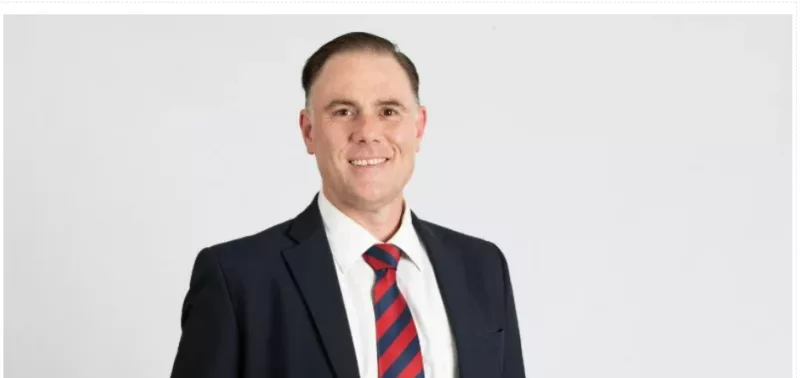
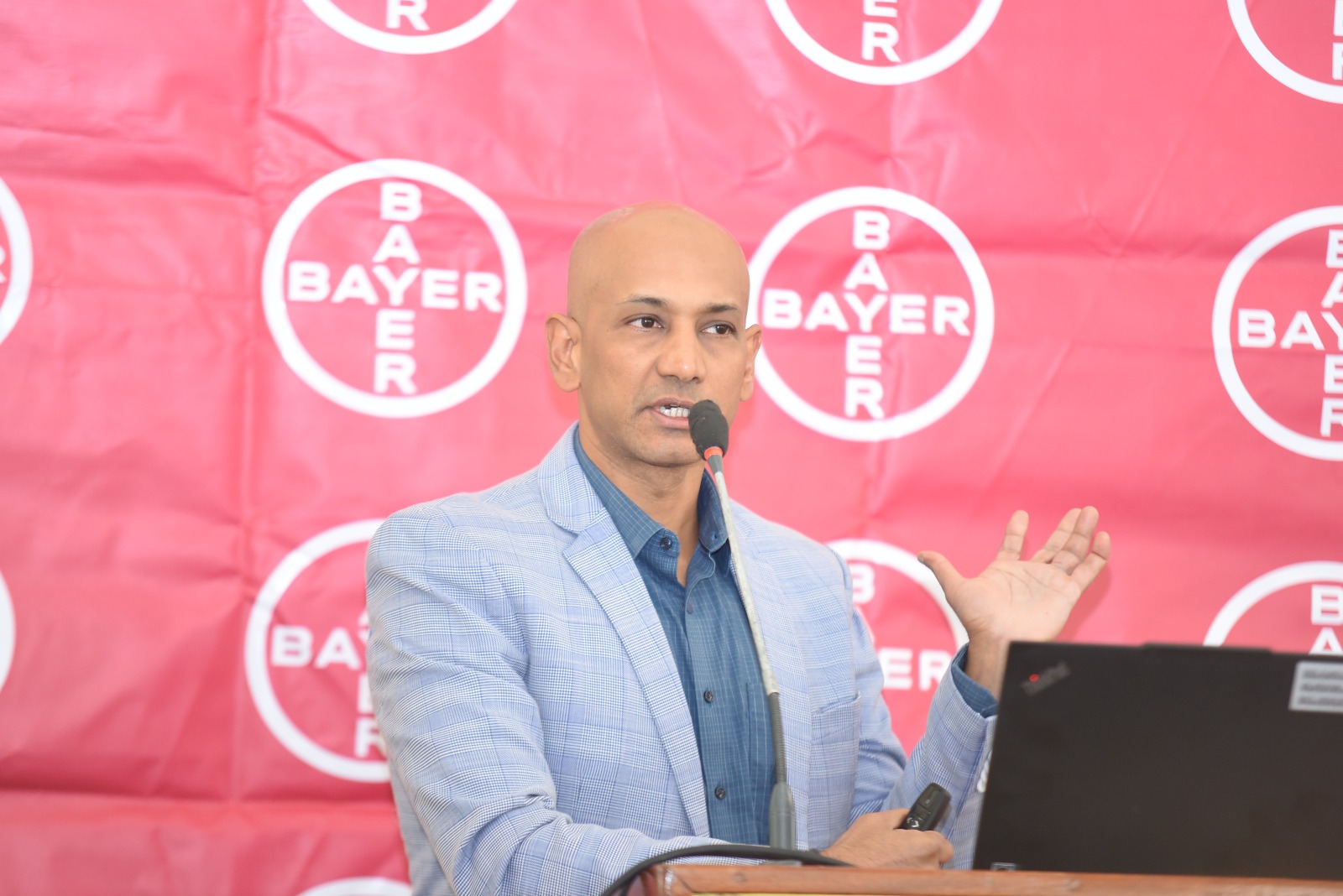
 Dr Mahesh Chandargi/ HANDOUT
Diabetes-related eye complications are a common concern in retinal practice, with one specialist reporting that about one in four patients at his clinic have complications linked to the disease, as Kenya’s diabetes burden grows.
About 813,000 adults in Kenya are living with diabetes, with roughly 54 per cent of cases undiagnosed, according to the International Diabetes Federation (IDF), meaning hundreds of thousands of people may be living with the condition without knowing it.
A retinal specialist, Dr Mahesh Chandargi, said diabetes is among the conditions increasingly seen in retina clinics and warned that retinal disease can develop without obvious symptoms in its early stages.
“Around one in four patients” in his retina clinic have complications related to diabetes, Dr Chandargi said, describing diabetic retinopathy as an everyday condition in retinal practice rather than an occasional diagnosis.
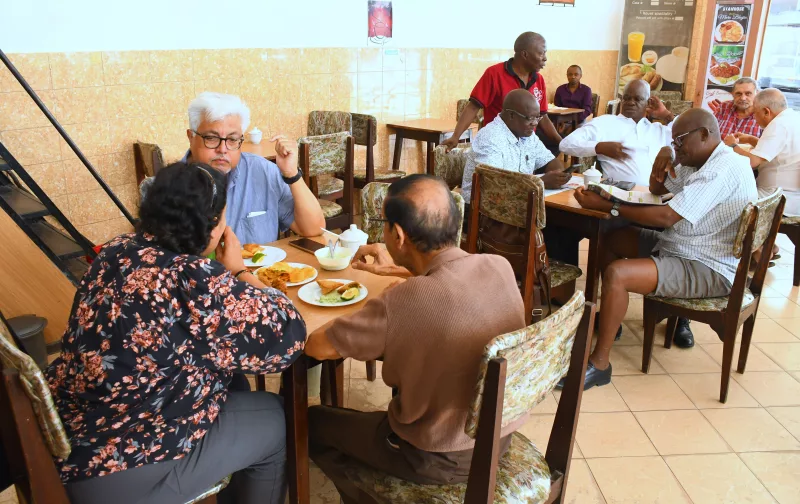
Dr Chandargi was speaking during a Bayer-hosted stakeholder media breakfast in Nairobi, held under the theme “Transforming Eye Care in Kenya: Improving Access, Strengthening Partnerships, and Supporting Better Patient Outcomes.”
The meeting brought together healthcare professionals, eye-care specialists, industry representatives and media to discuss retinal diseases, early diagnosis, treatment and access to care.
Dr Chandargi explained that diabetic retinopathy occurs when diabetes damages blood vessels in the retina, the light-sensitive layer at the back of the eye. He said the condition may initially leave patients feeling well even as damage develops inside the eye.
He described this stage as a critical opportunity for screening because people who have no symptoms may not seek eye care.
“A patient can be just asymptomatic,” Dr Chandargi said, explaining that someone may continue with normal activities while retinal disease progresses.
He said the presentation can change as the condition advances, with some patients developing painless and gradual loss of vision, while others may experience sudden changes, including black spots, blurred vision or a blackout in one eye.
Dr Chandargi said diabetic retinopathy is particularly significant because it can affect people during their working years.
“Diabetic retinopathy is the leading cause of vision loss in working age adults,” he said.
For patients who depend on their eyesight to work, drive, read or care for their families, he said deterioration in vision can affect more than their ability to see.
The need for early detection is particularly important because the wider eye-health system already faces gaps in access to care.
The Kenya National Eye Health Strategic Plan (2020–2025) showed that more than 80 per cent of blindness in Kenya was attributable to curable or preventable causes, while an estimated 7.5 million people needed quality eye-care services.
A 2024 national eye-health study similarly estimated that 7.5 million Kenyans need eye care and noted that avoidable causes account for a large share of blindness.
For people with diabetes, Dr Chandargi said, regular eye screening is particularly important because the disease may remain silent before vision is affected.
He said screening should not be limited to people who already complain of poor vision and recommended wider screening of people living with diabetes and greater awareness among health workers who interact with diabetic patients.
He also argued that routine diabetes clinics should incorporate comprehensive eye checks alongside other forms of monitoring.
“Diabetic clinics should ideally provide patients with comprehensive care covering areas including eye, foot and dental health,” he said.
He said his own facility had adopted a model in which patients could access several services, but added that such an approach needed to be replicated more widely.
The need for regular screening is also linked to the progression of retinal disease.
Dr Chandargi described treatment as time-sensitive, saying patients should not delay care after diagnosis because some retinal conditions continue to progress.
He referred to an “early stage” or “golden window” in which treatment can help preserve vision before more permanent damage occurs.
The long-term nature of care creates another challenge because some patients fail to remain in treatment.
Dr Chandargi said his clinic has seen roughly one-third to 40 per cent of patients drop out of the required treatment or follow-up pathway.
He attributed interrupted care to factors including affordability, transport, competing health problems and the burden of repeated visits.
Some patients, he said, develop other complications such as kidney disease or heart conditions that can disrupt their retinal treatment schedules.
The financial burden of diabetes care has also been documented in Kenya.
A 2020 study of diabetes care in public health facilities found that the incidence of catastrophic health expenditure among people with diabetes was 63.1 per cent and increased to 75.4 per cent when transport costs were included. The researchers said the findings pointed to substantial direct and indirect costs associated with diabetes care.
Saida Adan of Axios International said access should be understood as a journey that begins with awareness and diagnosis and continues through referral, treatment, follow-up and ongoing support.
She said patients with chronic retinal diseases may require frequent monitoring and repeated treatment, making continuity of care important.
“Access is a journey and not a single point,” Adan said.
She said patients may need support understanding their conditions, navigating the health system, reaching specialist services and staying connected to care.
Dr Chandargi estimated that Kenya has about seven to eight centres where specialised retinal diseases can be treated, with most of them in Nairobi, alongside approximately 10 to 11 trained retinal specialists.
He said patients from counties including Lamu, Kilifi and Busia may travel long distances to seek specialised treatment in Nairobi, adding transport expenses, time away from work and the cost of accompanying family members.
The access gap also affects the ability to diagnose disease before it becomes advanced.
Dr Chandargi said specialised retinal assessment requires equipment such as optical coherence tomography, commonly known as OCT, as well as other imaging and diagnostic tools.
He said some facilities may have equipment that is not functioning because of maintenance challenges, creating another obstacle to reliable diagnosis.
He called for investment in equipment that is portable and affordable enough to support screening outside major urban centres.
According to Dr Chandargi, AI-enabled retinal imaging devices could help health workers capture images and identify patients who require further examination by specialists, reducing reliance on having retinal specialists physically present in every location.
He said such technology would not replace specialists but could support early identification and referral.
Dr Chandargi said clinicians, nurses, pharmacists and opticians could help improve awareness by encouraging people with diabetes or other risk factors to undergo eye screening.
He said pharmacists, for example, may recognise when a customer is collecting diabetes medication and could remind them about the importance of eye checks.
Opticians could also identify patients whose visual complaints may require more than a new pair of glasses and refer them for further assessment.
Retinal disease, however, extends beyond diabetes.
Dr Chandargi said retinal conditions include diabetic retinopathy, age-related macular degeneration, retinal vein occlusions and retinopathy of prematurity, among others.
He said age-related macular degeneration is likely to become increasingly relevant as more people live longer, while retinopathy of prematurity remains a concern for premature babies whose retinas have not fully developed.
He said retinal disease can affect people from infancy into old age, making early detection relevant across different stages of life.
Dr Chandargi said improvements in neonatal care have enabled more very small premature babies to survive, but this increases the importance of screening their eyes to identify retinal complications early.
He said retinal care initially relied heavily on laser treatment, while the development of intravitreal injections transformed the management of conditions including diabetic retinopathy and age-related macular degeneration.
He said newer research is exploring approaches such as gene therapy and stem-cell therapies, although these remain areas of ongoing development.
Dr Chandargi said Kenya has conducted studies on diabetic retinopathy, including the Kitale Diabetic Retinopathy Study, but comprehensive data for individual African countries remain limited.
Kileba said collaboration between healthcare professionals, policymakers, patient organisations, researchers, industry and communities would be important in strengthening the pathway from awareness to treatment.
Medical Governance and Excellence Lead at Bayer for Sub-Saharan Africa, Jack Kileba, said vision loss can affect independence, employment, family responsibilities and household finances.
He said a person losing their sight may have to stop working or depend more heavily on relatives, while families may take on additional caregiving responsibilities.
Kileba said Kenya’s changing disease profile is also relevant to the discussion, as non-communicable diseases increasingly place pressure on households and health services.
He also called on the media to help explain retinal disease, particularly because early disease may not produce symptoms that prompt people to seek care.
Kileba said responsible health reporting could help people living with diabetes understand why regular eye checks matter and encourage them to seek care before vision loss becomes severe.
Adan said patient needs should remain central to discussions about access, while Kileba said partnerships would be needed to address barriers across the healthcare system.
With diabetic retinopathy potentially progressing before patients notice changes in their vision, Dr Chandargi said screening should extend beyond specialist facilities and involve other health workers and technology so that retinal conditions can be detected earlier. Jack Kileba, Medical Governance and Excellence Lead at Bayer for Sub-Saharan Africa/HANDOUT