 Ebola treatments trial in DR Congo
The Ministry of Health has issued an explainer addressing frequently asked questions about Ebola, including how the virus spreads, its symptoms, prevention measures, treatment and what people should do if they suspect exposure.
The explainer comes as the Democratic Republic of Congo (DRC) battles the deadliest Ebola epidemic in the country's history, raising fears of cross-border transmission to neighbouring East African countries.
The outbreak has so far killed more than 2,300 people, surpassing the previous record set during the 2018–2020 epidemic.
The current outbreak is caused by the Bundibugyo virus, a strain for which there is currently no approved vaccine or specific treatment.
The ministry has provided answers to frequently asked questions regarding the virus to help the public understand the disease and the measures that can be taken to reduce the risk of infection.
What is Ebola virus disease?
Ebola virus disease is a severe, often fatal illness caused by Ebola virus, a member of the filovirus family.
The number of people who die among the infected ranges from 25 per cent to 90 per cent.
What are the types of Ebola viruses?
There are 6 main types of Ebola viruses, namely Sudan, Bundibugyo, Zaire, Reston, Bombali and Tai.
However, Sudan, Bundibugyo and Zaire types have been documented to cause main outbreaks.
What is Bundibugyo virus disease (BVD)?
BVD is a severe illness caused by Bundibugyo Ebola virus. It spreads between infected people through contact with body fluids and contaminated items.
It is the cause of the current outbreak in DRC (from May 26, 2026).
How is Bundibugyo Ebola virus disease different from other Ebola types?
They are the same; however, Bundibugyo has no licensed or experimental vaccines.
How is Bundibugyo Ebola virus transmitted?
Ebola is transmitted through:
- Direct contact with body fluids of an infected person, like blood, saliva, vomitus, urine, faeces, breast milk, semen, vaginal fluids and even sweat.
- Contact with contaminated surfaces and materials, such as clothing, bedding, utensils, razor blades and needles, can also spread the virus.
- Contact with suspected or infected dead bodies with the Ebola virus is highly infectious.
- Handling infected wild animals and their products.
Who is at risk of Bundibugyo Ebola virus?
Everyone is at risk of getting the Ebola virus; however, some people are at higher risk due to their activities, and this includes: people travelling to or from affected areas, healthcare workers, family members and close contacts, caregivers, hunters and butchers.
What are the signs and symptoms of Bundibugyo Ebola virus?
Sudden fever, abdominal pain, loss of appetite, fatigue, sore throat, muscle pain, nausea, vomiting, diarrhoea, sometimes rash and unexplained bleeding.
How long does it take for symptoms to appear?
Symptoms usually appear 2–21 days after exposure to the virus.
Is there treatment for BVD?
There is no known treatment; however, early supportive care and management of symptoms in an isolation facility are critical in saving lives.
Is there a vaccine or medicine for BVD?
Currently, there is no approved vaccine or medicine. Research is ongoing.
Where are Ebola laboratory testing sites in Kenya?
Ebola testing requires Biosafety Level 3 and 4 laboratories. The government is currently using 4 laboratories: National Public Health Laboratory, KEMRI-CDC (NBI) and KEMRI Viral Haemorrhagic Fever Laboratory in Nairobi, and one mobile laboratory.
What should I do if I or someone else suspects to have Bundibugyo Ebola Virus Disease?
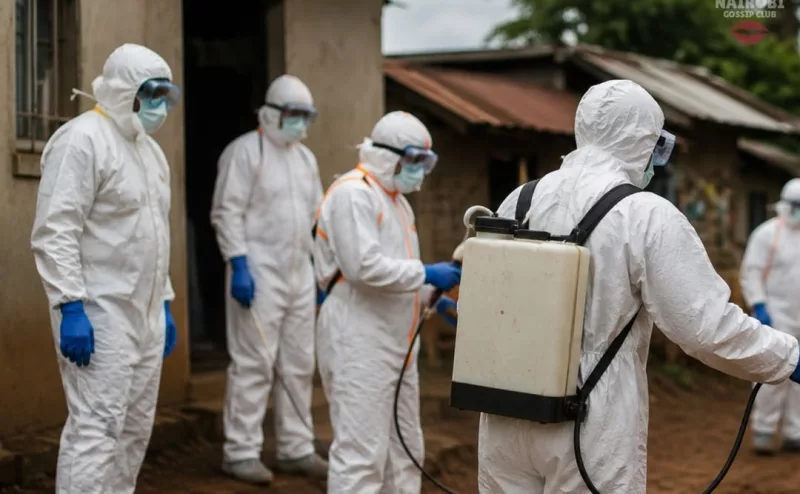
If you or someone you know has symptoms and may have been exposed, call 719 or inform local administration immediately. A trained medical team will guide you and arrange safe referral to the nearest Ebola treatment centre.
What are the prevention measures for the Bundibugyo Ebola virus?
Avoid contact with body fluids from a person suspected or infected with Ebola virus disease.
Avoid contact through handshakes, kissing and hugging. Avoid sharing contaminated clothing, beddings and utensils and touching contaminated surfaces.
Regularly wash your hands with soap and running water, or use 70 per cent alcohol-based hand sanitiser.
Avoid handling infected wild animals and their products.
Can Ebola survivors transmit the virus?
Yes, some body fluids, particularly semen, may contain the virus for a period after recovery. Survivors should follow medical advice regarding prevention measures.
What should travellers know about Bundibugyo Ebola virus?
Travellers should:
- Stay informed about outbreaks.
- Follow public health guidance.
- Avoid contact with sick people and wild animals.
- Seek medical attention if symptoms develop after travel to an affected area.
Can a person recover from Bundibugyo Ebola virus?
Yes. Many people recover from Ebola, especially when diagnosed and managed early.
Is there any risk of burying people who have died from Bundibugyo Ebola virus?
Yes, burying the body of a person who died from Ebola carries a very high risk of infection if proper precautions are not followed. People are expected to avoid communal burial and seek help from a safe burial team for a dignified burial.
Can Bundibugyo Ebola Virus Disease signs and symptoms resemble other diseases?
Yes. Currently, there is no Ebola outbreak in the country; however, if you have travelled to areas reporting cases within the last 21 days or you have come into contact with a suspected or confirmed case and are having signs and symptoms resembling those of BVD, call 719 immediately and self-isolate until the medical team arrives.
Can Bundibugyo Ebola Virus Disease patients be cared for at home?
No. Home care is unsafe. Patients should go to the nearest Ebola treatment centres.