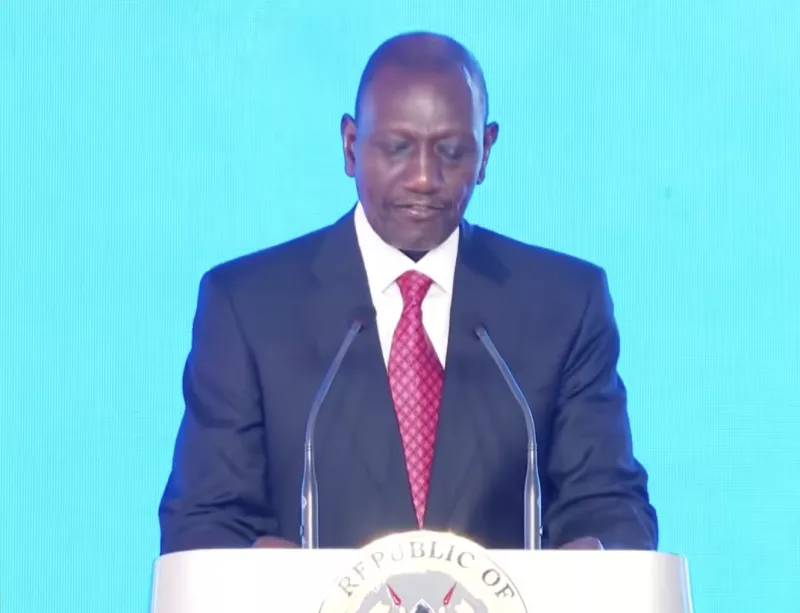
President William Ruto has defended the government’s digitisation of health services, dismissing criticism of the programme and saying it is central to making Universal Health Coverage a reality.
Speaking on Tuesday at the Kenyatta International Convention Centre (KICC) during the launch of the Health Summit, Ruto said digitisation was not merely about replacing paper records with electronic systems, but about improving accountability across the health sector.
“Digitisation is not simply replacing paper with screens. It is about making every patient visible, every payment accountable and every treatment traceable,” Ruto said.
The President said the government had put in place a legal and institutional framework, as well as the digital architecture required to support Universal Health Coverage.
He also credited Kenyans for contributing to the transformation of the health financing system, saying changes to the contribution structure were necessary to support the new system.
Ruto thanked governors and county governments for partnering with the national government in implementing UHC, saying their participation had been critical to the process.
“Without the participation and partnership of county governments, this exercise would have been very difficult,” he said.
The President’s remarks come amid criticism of the government’s health reforms, particularly the digitisation of health services and the new health financing arrangements.
The two-day Health Summit is being held on August 18-19 and brings together stakeholders to discuss the progress and challenges facing Kenya’s health sector.
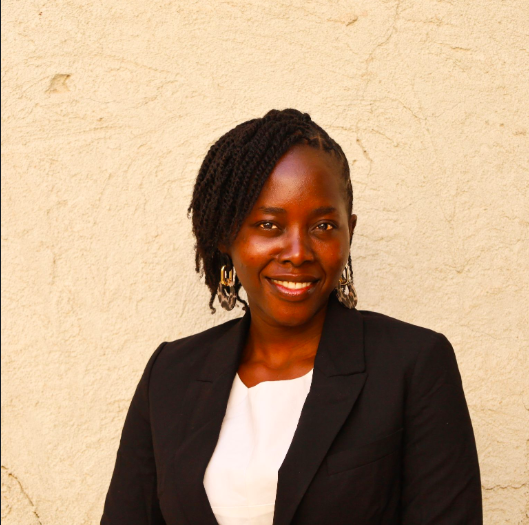
Earlier, CEO Mercy Mwangangi said at least 32.3 million Kenyans have registered with the Social Health Authority (SHA).
Mwangangi said the figure was nearly double the highest registration recorded under the former National Hospital Insurance Fund (NHIF), which stood at 16.9 million.
She made the remarks during a presentation at the National Health Summit, where she outlined SHA’s progress two years after its establishment, describing the reforms as being measured in lives.
The number of health facilities accessible to SHA members has also increased from 8,667 during the NHIF period to 10,713.
Of these, Mwangangi said 5,959 are government facilities, 4,534 are private facilities, while 541 are run by faith-based organisations.