RUNNING a pension scheme without receiving a single shilling in fresh contributions presents a unique challenge for trustees, particularly when the fund is ageing and pays billions of shillings in benefits every year.
For TelPosta Pension Scheme, which has been a closed defined-benefit scheme since December 2007, the task is to ensure its existing assets continue generating enough income to meet pension obligations until the last eligible beneficiary receives their benefits.
The scheme has assets worth about Sh14 billion and pays approximately Sh1 billion annually to more than 7,000 pensioners. It has also been grappling with a heavily property-based investment portfolio, legacy land disputes and a 15-year legal battle over pension benefit calculations.
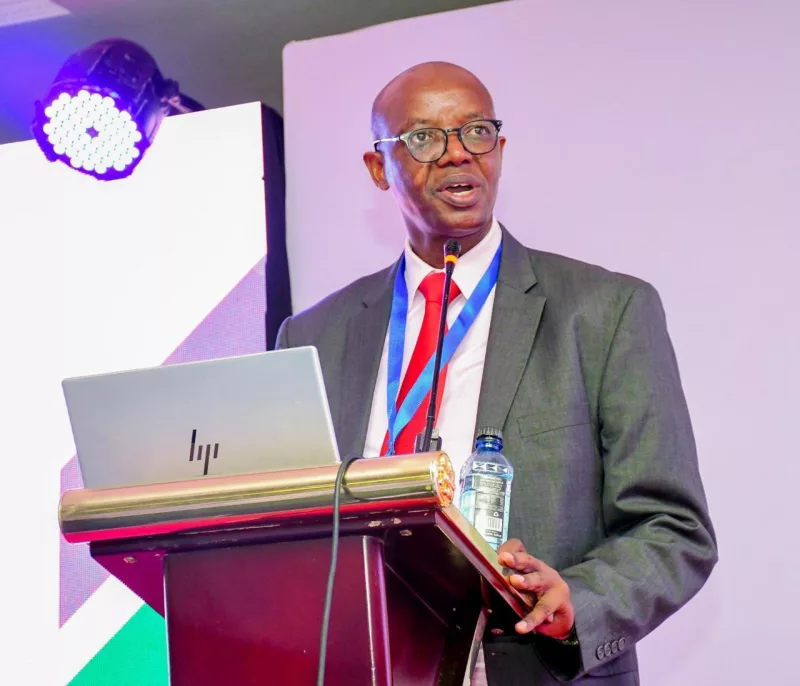
In an interview with the The Star, TelPosta Pension Scheme Administrator and Trust Secretary Peter Rotich explains how the scheme is managing its ageing membership, diversifying its investments, disposing of property, dealing with legacy challenges and planning for the future following the recent High Court decision.
What does it mean for TelPosta to be a closed pension scheme?
A closed pension scheme no longer accepts new members, receives contributions or, in TelPosta's case, allows future benefit accruals for existing members. The scheme was closed to new entrants, contributions and future benefit accruals effective December 1, 2007.
Our responsibility is therefore to manage existing assets prudently and ensure pensioners and deferred members receive benefits they are entitled to. Unlike an active scheme, we cannot rely on fresh contributions. We must generate sufficient income and liquidity from the existing asset base.
How difficult is it to run a Sh14 billion fund without new contributions?
It is undoubtedly more challenging, but manageable with the right strategy, discipline and governance. Every pension payment, administrative expense and future obligation must be met from investment income and existing assets. This makes investment performance, liquidity management and risk management critical.
We must generate returns to preserve and grow the fund while maintaining enough cash to meet pension payments. As the membership declines and ages, there are no new entrants to offset future liabilities. We therefore continuously assess investment, longevity and economic risks and increasingly focus on protecting capital while generating sustainable returns.
You pay about Sh1 billion annually to more than 7,000 pensioners. What is your biggest concern?
Our foremost responsibility is ensuring pension payments continue uninterrupted regardless of economic conditions.The challenge is balancing the continuous annual outflow against a finite pool of assets that must generate sustainable returns over the long term.
We therefore place significant emphasis on liquidity, investment performance, asset protection and governance. The ageing profile also means pensioners may draw benefits for many years. Our success is ultimately measured by one outcome: the continued ability to pay benefits reliably and sustainably.
What is the biggest challenge facing trustees?
The greatest challenge is balancing benefit security with long-term sustainability.We have to ensure today's pensioners receive their benefits while preserving sufficient assets for obligations that may extend for decades.
This requires asset-liability matching, prudent investment decisions, adequate liquidity and continuous monitoring of inflation, interest rates, market volatility and longevity. Strong governance is essential because every decision must protect members' benefits both today and in the future.
Can investment income fall below pension payments?
Every pension scheme faces that risk, particularly during periods of market volatility. The objective is not to eliminate risk, which is impossible, but to manage it proactively.We regularly review the investment strategy, diversify across asset classes and undertake detailed cash-flow projections.
The scheme has also undertaken property portfolio realignment, increased liquidity and broader investment diversification. Regular actuarial assessments help us evaluate the funding position and identify emerging risks early. Our objective is to generate sustainable returns while preserving the fund's ability to meet pension obligations.
More than 80 per cent of your assets have been in property. Why?
The significant property exposure has historical origins. When the scheme was established, substantial property assets were transferred to it through Vesting Order Legal Notice No. 154 of 1999 and Legal Notice No. 133 of September 2001 as part of arrangements to support accrued pension liabilities.
Many of these properties appreciated significantly, increasing the proportion of the portfolio held in real estate. While this created considerable capital value, it also resulted in concentration and liquidity challenges.
We are now implementing a structured property disposal and diversification programme. Some properties, however, were transferred without title deeds, while others became subject to historical disputes involving illegal or irregular alienation and third parties. These issues have slowed asset realisation.
What will drive returns as you diversify?
Our long-term strategy is to reduce property concentration, improve liquidity and build a diversified portfolio aligned with the needs of a mature closed defined-benefit scheme.
Government securities, high-quality fixed-income investments and money market instruments are expected to play an increasingly important role. We will also maintain carefully selected growth assets, including infrastructure funds.The objective is not simply to maximise returns. We want predictable cash flows, capital preservation, adequate liquidity and long-term growth.
How have land disputes and rent defaults affected the scheme?
They have had a significant impact on income generation and the cost of managing assets. Some properties have faced ownership disputes, illegal occupation, rent defaults and prolonged litigation. More than Sh500 million has been spent since the scheme's inception on efforts to safeguard and recover properties, deal with illegal occupiers and defaulting tenants, strengthen documentation and resolve disputes.
The experience has reinforced the importance of strong governance, accurate ownership records and proactive asset protection.
What was the significance of the recent High Court ruling after a 15-year legal battle?
Both the Retirement Benefits Appeals Tribunal and the High Court examined extensive evidence, witness testimony, scheme records, actuarial analyses, the Trust Deed and Rules and the applicable legal framework.
The High Court found that the Tribunal had conducted a comprehensive and fair hearing and properly applied the law governing the computation of retirement benefits. It also found that the former employees had not demonstrated grounds such as illegality, irrationality, bias, unfairness or procedural impropriety that would warrant judicial review.
The Court further observed that the applications were essentially appeals disguised as judicial review proceedings. The decisions provide legal clarity on the administration and computation of benefits and affirm the importance of trustees acting within their governing documents, supported by proper records, actuarial evidence and sound governance.
What lesson does the case offer on pension records?
Accurate records are the foundation of sound pension administration. Benefits can only be calculated correctly using reliable information on employment history, pensionable service, salary, retirement date and the applicable scheme rules.
The proceedings highlighted claims involving incorrect records, individuals who were not members, people who retired before the scheme was established and assumptions inconsistent with the applicable framework. Good record management protects both members and the scheme. Pension obligations can extend for decades, so records must remain accurate, accessible and verifiable long after employment ends.
Why can two employees receive different pension benefits?
Defined-benefit pensions are calculated according to individual circumstances and the Scheme's Trust Deed and Rules. Factors include pensionable salary, years of service, age at leaving, date of birth, applicable actuarial factors and the form of benefit selected at retirement.
Two employees who worked for the same employer may therefore legitimately receive different benefits. Age, salary, service and retirement options can all affect the calculation. Where provided for under the rules and applicable framework, actuarial factors may also consider demographic characteristics. The important point is that pension calculations are based on established formulas and actuarial principles, not arbitrary decisions.
What impact did the prolonged litigation have on the scheme?
The greatest impact was uncertainty. The dispute went through various forums, including the Retirement Benefits Authority, the Retirement Benefits Appeals Tribunal, the Court of Appeal and ultimately the High Court. It required significant trustee attention, professional support and administrative resources. However, the scheme continued operating normally.
Pension payments were made, investments managed and regulatory obligations met.The recent judgments provide much-needed clarity and allow the trustees to focus more fully on portfolio diversification, property disposal, liquidity, governance and long-term sustainability.
Is increasing life expectancy becoming a major challenge?
Yes. Increasing longevity is one of the most significant structural challenges facing closed defined-benefit schemes. Every additional year a pensioner lives means another year of benefit payments. In some cases, eligible dependants may continue receiving benefits for up to five years after the pensioner's death.
This challenge is compounded by inflation, interest-rate changes and market volatility. Trustees must therefore continually assess life expectancy, future liabilities, funding adequacy and investment performance.
How do you balance higher returns with protecting members' capital?
We do not pursue higher returns at the expense of risk management. Capital preservation is just as important as growth. Our investment philosophy focuses on reducing property holdings, diversification, professional fund management, regulatory compliance and risk-adjusted returns.
Because the scheme pays about Sh1 billion annually, we must maintain sufficient liquid assets to meet obligations regardless of market conditions. Professional fund managers, investment consultants and actuarial advisers support the trustees in assessing opportunities and risks.
What governance structures are essential?
There must be a competent and independent Board of Trustees with a clear fiduciary mandate to protect members' interests. The scheme also requires strong investment, risk management, procurement and conflict-of-interest policies, as well as effective internal controls.
Actuarial oversight, external and internal audits, professional fund managers, custodians, legal advisers and regulatory supervision are equally important. Member engagement and transparent reporting through annual reports, benefit statements and meetings also build confidence. Good governance is ultimately about checks and balances, accountability and protecting scheme assets.
How has TelPosta sustained pension payments for nearly two decades without contributions?
The key has been prudent stewardship of assets and an unwavering focus on long-term sustainability. Since closure in 2007, the trustees have focused on investment performance, asset protection, governance, professional advice and disciplined financial management.
The continued payment of pensions demonstrates the importance of planning, liquidity management and sound governance. For a closed scheme, the measure of success is simple: whether retirees receive their benefits reliably and on time.
What is your message to pensioners after the court decision?
We understand that legal disputes over retirement benefits can generate strong emotions and differing views. Not everyone will be satisfied with the outcome.Our message is one of reassurance and commitment. The decisions provide legal clarity, but our focus remains on protecting members' benefits and ensuring pensions continue to be paid reliably and sustainably.
We remain committed to safeguarding assets, improving investment performance and liquidity, strengthening governance, complying with the Trust Deed and Rules and maintaining transparent engagement with members.
What are the scheme's top three priorities over the next five years?
First is completing the investment portfolio realignment, reducing property concentration, improving liquidity and increasing diversification. Second is strengthening governance, risk management and asset protection, including resolving outstanding property issues and ensuring assets are properly documented and protected.
Third is enhancing the scheme's long-term sustainability through actuarial assessments, prudent financial management and disciplined investment decisions. Our ultimate goal is to ensure TelPosta Pension Scheme remains financially strong, well governed and capable of paying pensions reliably for the lifetime of all eligible beneficiaries.
What lessons should other pension schemes learn from TelPosta's experience?
The first lesson is that governance matters. Trustees need strong oversight, accountability and disciplined decision-making. Second, accurate records are critical. Pension liabilities can be challenged decades after employment ends, making employment records, service histories, salary information and actuarial calculations essential evidence. Third, investment diversification and long-term planning are indispensable.
Schemes must balance returns, capital preservation, liquidity and risk. Finally, trustees must not promise benefits that cannot be sustained or that are not provided for under the governing rules. TelPosta's experience demonstrates that long-term pension sustainability rests on four pillars: strong governance, accurate records, disciplined investment management and sustainable benefit design.