
Apple has officially updated its list of obsolete products to include the iPhone X and the 15-inch MacBook Pro from 2018. This decision marks the final stage in the lifecycle for two devices that once defined the brand’s high-end hardware.
The Logic Behind the Designation
Apple follows a strict timeline for classifying older hardware. A product is considered "vintage" when the company stopped selling it more than five years ago. Once a device has not been sold as new for more than seven years, it is designated as “obsolete."
The iPhone X was pulled from sale in September 2018. Having passed that seven-year threshold, it has now moved from the vintage list into the obsolete category. The 2018 15-inch MacBook Pro has followed the same path this week.
The End of Official Repairs
This classification has immediate practical consequences for owners. Apple and its Authorized Service Providers will no longer provide parts or repairs for these models. This rule applies regardless of whether a warranty covers the device.
"Obsolete status means Apple and its Authorized Service Providers will no longer offer repairs or parts for these devices, in or out of warranty."
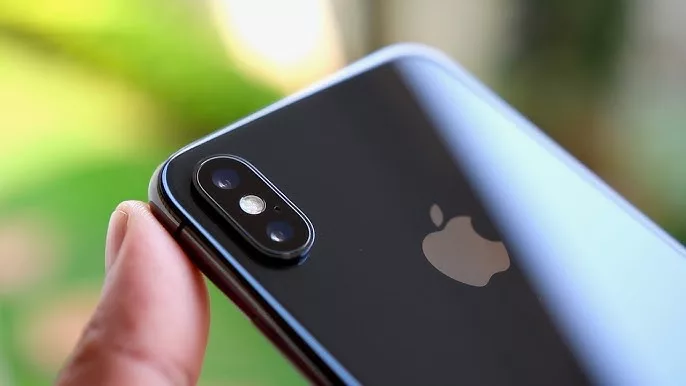
A Landmark iPhone Reaches the End
The iPhone X was a significant release when it launched in November 2017. It was the first iPhone to feature an OLED screen and Face ID. It removed the traditional Home button to make room for an edge-to-edge display with a notch.
Despite its innovations, the model had some early technical hurdles. Some owners reported mystery green lines appearing on the edges of their displays. Others encountered issues with the Face ID module.
Software support for the device has already reached its limit, as it cannot be updated beyond iOS 16.
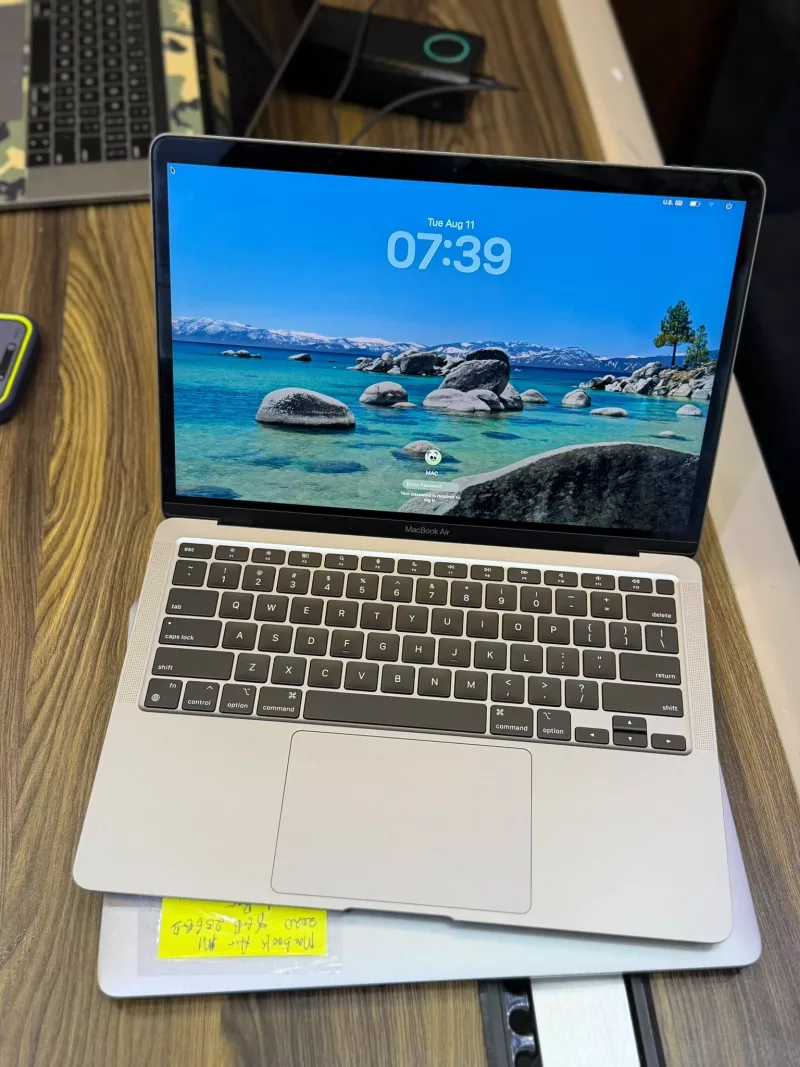
The 2018 MacBook Pro Legacy
The 2018 15-inch MacBook Pro is remembered for a mix of security advances and design controversies. It was the first Apple laptop to include the T2 security chip for Touch ID data and secure boot management.
However, it also featured the butterfly keyboard design. This keyboard was the subject of many reliability complaints and a repair programme that lasted until 2024. On the software side, this laptop cannot be updated beyond macOS Sequoia.
For those still using these devices, the lack of official support may be a signal to upgrade. Apple's current line-up now includes the iPhone 17 series, with the iPhone 18 expected to follow soon.
As of August 2026, these two landmark devices are now officially part of Apple’s history. Owners should be aware that official hardware support is now a thing of the past.