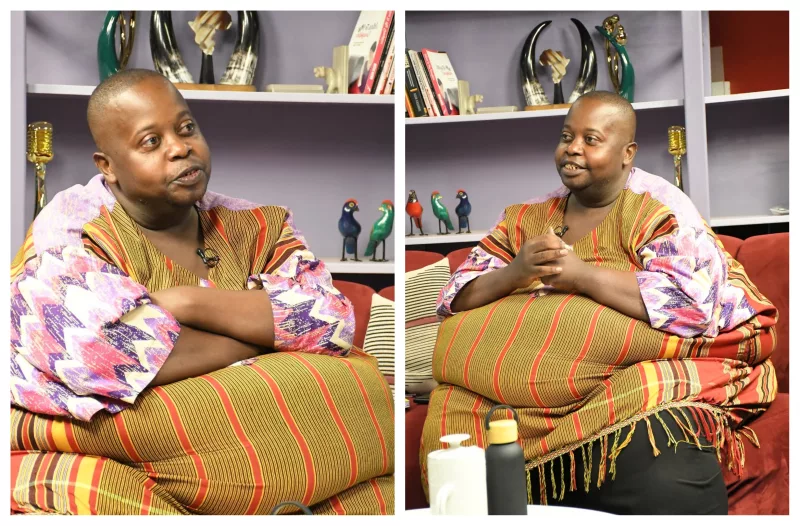
A heated confrontation between a Gen Z woman and a Gen X pastor has sparked mixed reactions after the two reportedly clashed over the activities of young people who gather in town every Sunday to dance, participate in TikTok challenges and socialise.
The incident has reignited debate about generational differences, religious beliefs and the freedom of young people to enjoy themselves in public without being judged.
According to reports surrounding the confrontation, the pastor was unhappy with the activities of the young people, allegedly condemning their gatherings as demonic and accusing the women involved of prostitution.
His remarks did not go down well with one young woman, who reportedly decided to confront him and challenge his views.
The Gen Z woman argued that the young people were free to do what they wanted, raising questions about whether the pastor had any right to dictate how adults should spend their free time.
And just like that, what might have started as a disagreement over Sunday entertainment turned into a conversation about morality, freedom and the ever-widening gap between older and younger generations.
Pastor's Remarks Spark Debate
For some people, the pastor's concerns may have come from his religious beliefs and his understanding of what is morally acceptable in society.
Religious leaders often speak out about behaviours they believe go against their teachings, while some parents and older Kenyans have also expressed concerns about the influence of social media on today's youth.
TikTok, in particular, has become a popular platform for young people to showcase their dancing skills, participate in viral challenges and connect with others.
However, critics argue that there is a difference between expressing concern about young people's behaviour and making sweeping accusations about their character.
Calling an entire group of young people demonic or associating women with prostitution simply because they gather to dance and socialise can come across as unfair and insulting.
After all, dancing in public does not automatically make someone immoral, and a person's choice of entertainment does not necessarily reveal their private life.
The pastor's reported comments have therefore raised an important question: can religious leaders express their opinions without appearing to shame the very people they hope to guide?
Some Kenyans Say Mzee Has a Point
While some people sided with the young woman, others felt the pastor's concerns should not be dismissed entirely, particularly when it comes to the content children are exposed to online.
One reaction suggested that the conversation should go beyond the clash between generations and address the growing pressure on young girls to create content that attracts attention on social media.
“Somehow mzee is correct. Mbona unakuta mtoi wa Grade 9 amevalishwa booty shorts na crop top ati anashake lyrics za ngoma ni chafu? Unashangaa, kwani mtoi hawezi pata likes akivaa decent? They are objectifying these kids at a young age and no one is talking about it,” the comment read.
The reaction raised concerns about the sexualisation of minors and whether the desire for likes, views and online attention is influencing how children present themselves on social media.
For those who share this view, the issue is not necessarily about stopping young people from having fun, but about questioning the kind of content being normalised among children who are still growing up.
They believe parents, guardians and society at large should pay closer attention to the messages children consume and the pressure they face to fit into online trends.
However, concerns about minors also raise questions about adult responsibility, supervision and the role of social media platforms in promoting content to young audiences.
Importantly, the discussion about protecting children is different from making assumptions about the character or private lives of adult women who choose to dance in public.
'People Should Learn to Let Others Be'
On the other side of the debate, some people believe the pastor had no business telling adults how to live their lives simply because their choices did not align with his religious beliefs.
One reaction argued that people should learn to mind their own business and allow others to make their own decisions.
“People should learn to let others be. You cannot dictate how someone else should live their lives. Everyone has a right to make their own choices, and just because you don't agree with someone's lifestyle doesn't mean you have the right to control them,” the reaction read.
The sentiment reflects a growing argument that personal freedom should be respected, even when people have different religious, cultural or moral values.
Those who support this position argue that a pastor is free to preach what he believes in, but other adults are equally free to decide whether they want to follow his teachings.
They also point out that gathering to dance, take videos and socialise does not automatically mean someone is engaging in immoral behaviour.
For them, the problem begins when expressing an opinion turns into publicly shaming people or making serious accusations without evidence.
The question, they argue, is not whether the pastor agrees with the young people's activities, but whether his disagreement gives him the authority to dictate their choices.