The IEBC faces a fresh test policing campaign spending ahead of the 2027 polls under new rules that give it sweeping enforcement powers.
The Election Campaign Financing Regulations, 2026, gazetted on August 7, mandate the IEBC to regulate the flow of money into the election. This includes monitoring expenditure, scrutinising accounts, investigating suspected breaches and resolving complaints.
The regulations require candidates and political parties, as well as referendum committees in the event of a plebiscite, to appoint authorised persons responsible for receiving contributions, making payments and filing campaign-financing returns with the commission.
They must also operate dedicated campaign-financing bank accounts through which campaign transactions are conducted.
The framework gives the IEBC powers to demand additional information, order corrections to financial returns, require further audits and investigate suspected breaches.
Where candidates or parties fail to comply with its demands, the commission can issue notices to show cause and impose sanctions provided for under the Election Campaign Financing Act.
IEBC's Dispute Resolution Committee has also been empowered to hear complaints, conduct inquiries, summon witnesses and require the production of documents.
But the breadth of the mandate raises questions about the capacity to police the huge sums expected to flow through the campaign, while simultaneously preparing to conduct the election.
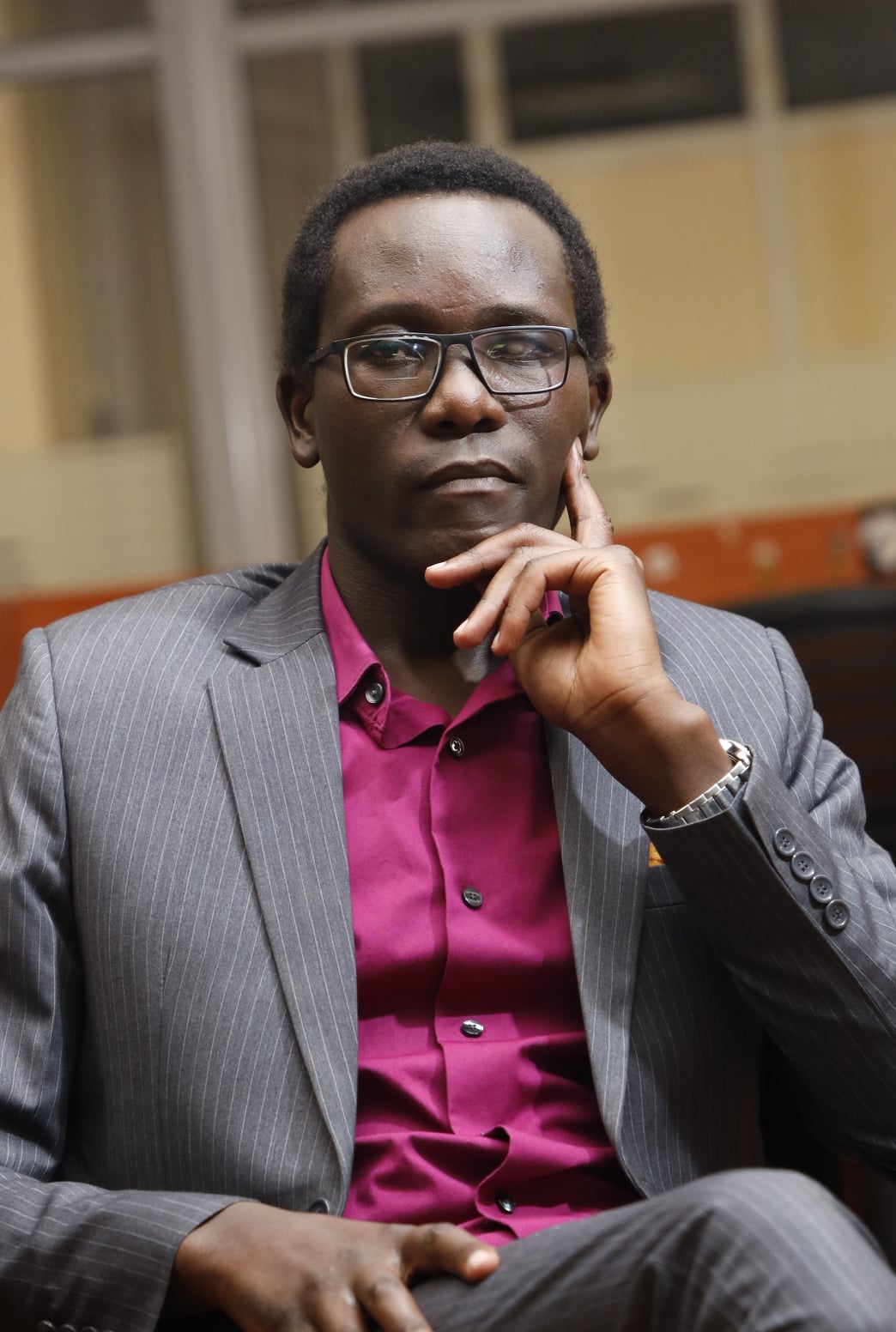
Former Nyeri Town MP Ngunjiri Wambugu, who was part of Raila Odinga's 2013 presidential campaign, questioned both the capacity of the framework and the timing of enforcement.
“Between now and February, aspirants will be positioning themselves towards certain parties,” he said.
“You are running a campaign for an election in March (primaries). Even the presidential aspirants, they have already started campaigning. How much money are they spending? We start counting in February, but they will have already done more than a year of campaigns.”
He questioned the practicality of IEBC scrutinising financial records from thousands of candidates while also preparing for the election.
“People have been campaigning for four years and you want to check what they have spent just for the last six months?” he asked.
“Secondly, you are going to receive audited accounts from all candidates. In the last election, for example, there were about 15,000 candidates. What is the practicality of that information being useful?”
Wambugu said the information could end up being merely stored until a complaint is lodged against a particular candidate, raising questions about how effectively it would support enforcement.
Mulle Musau, the national coordinator and executive director of the Elections Observation Group, also questioned IEBC's capacity to build a framework capable of mitigating excessive use of money in elections.
He said disclosure could, however, provide a more practical avenue for enforcement by requiring candidates to account for the sources of their campaign funds.
“As soon as they can put a premium on the question of disclosure, where candidates are required to be the ones confirming the sources of their money, then it becomes easy,” Musau said.
He argued that once candidates disclose their sources of funds, complaints by opponents or members of the public could trigger investigations, allowing IEBC to focus its resources on specific cases rather than attempting to audit every transaction.
Musau also warned against loading IEBC with responsibilities that could divert it from its core electoral mandate.
“It should not even be IEBC, in our view. It should just be the election commission. The boundaries should be dealt with by another unit,” the EOG boss said.
He proposed moving campaign finance oversight to another institution.
“Remember, we even had the Political Parties Office of the Registrar of Political Parties resident at the IEBC,” Musau said.
“So the same way they dealt with that by moving it to an independent office, perhaps embed the question of campaign finance with the Auditor General's office or one of those finance offices.”
He warned that giving IEBC too many responsibilities could undermine its ability to conduct elections effectively.
“If you load the IEBC with this kind of responsibility, they will never be able to do their core mandate,” he said.
The regulations envisage a wider enforcement architecture beyond the IEBC.
Auditors will play a key role, with candidates, parties and referendum committees spending more than Sh1 million during the expenditure period required to submit audited expenditure reports.
Other institutions will also be critical where campaign financing intersects with financial intelligence, corruption, taxation, banking and political party regulation.
The IEBC has already recognised the need for inter-agency cooperation, bringing together institutions including the Financial Reporting Centre, EACC, DCI, KRA, CBK and Registrar of Political Parties in discussions on campaign finance reforms.