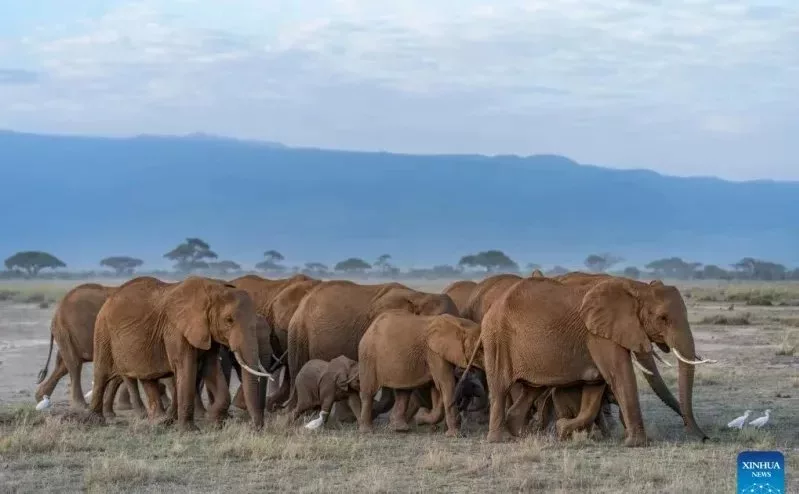
The mystery surrounding the deaths of 16 elephants within the Amboseli ecosystem has deepened, with agencies probing the incident offering differing findings as investigations continue.
The deaths, which sparked an outcry, are being investigated by government agencies, including the Kenya Wildlife Service (KWS), with the probe also involving the Pest Control Products Board (PCPB).
KWS is working with the Government Chemist and the University of Nairobi to undertake toxicological, microbiological and related laboratory analyses of samples collected from the dead elephants.
KWS said 15 elephant deaths were recorded between June 24 and July 24, 2026, in Amboseli National Park, Kimana Sanctuary and the Kuku Ranch area.
Of these, 10 elephants exhibited similar clinical signs, including partial paralysis that left them unable to stand before dying within one to two days.
The remaining five carcasses were too decomposed or had been scavenged, making it impossible to establish the cause of death.
KWS said the condition primarily affected adult females and their calves, with only one adult male reported.
Immediately after the first cases were reported, KWS deployed veterinarians from Nairobi, Tsavo and Amboseli to investigate the incident, treat affected elephants, conduct postmortem examinations and collect samples for laboratory analysis.
Samples were submitted to the University of Nairobi, the Government Chemist and other specialised laboratories for toxicological and pathological investigations.
“Preliminary laboratory findings from the University of Nairobi detected a potential toxic substance in the samples collected from several of the affected elephants,” KWS said.
The service said further quantitative analysis was underway to determine the concentration and significance of the findings, while additional investigations continued to establish the source.
KWS said preliminary analyses by the Government Chemist were negative for the toxic substances tested, with further testing for other potential toxins under way.
Environmental investigations are also being undertaken, including analysis of water sources and other potential environmental contaminants within the affected areas, to establish whether the elephants were exposed to a common source.
On August 7, 2026, KWS announced that the number of elephant mortalities reported between June 24 and July 31 had risen to 16.
The affected elephants comprised adult females and calves that showed weakness and partial paralysis in their limbs.
KWS said further analysis included water sampling and examination of other possible environmental contaminants.
The service said preliminary laboratory analysis by the University of Nairobi indicated cyanide poisoning as the probable cause in the cases examined.
“KWS is awaiting completion of confirmatory testing to align laboratory findings with individual case records, and to trace the exposure pathways and origin.”
On July 30, 2026, KWS requested the PCPB to establish and lead a multi-agency technical team to probe the incident.
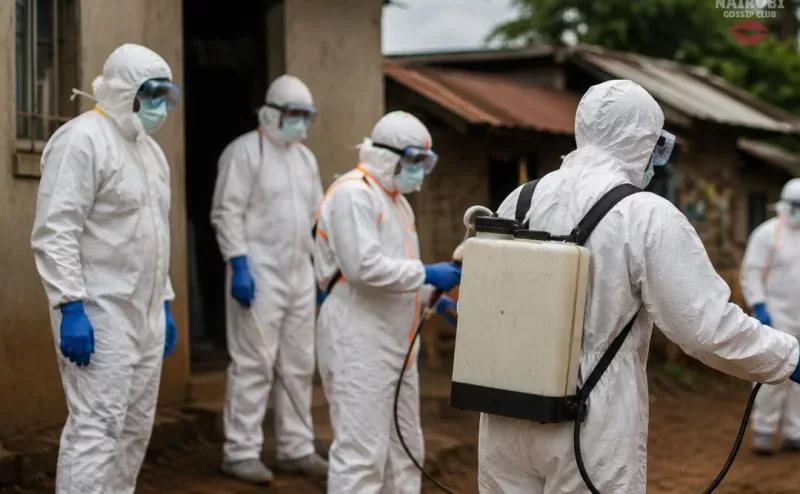
The team is examining whether pest control products or other crop-protection chemicals may have been improperly used, stored or disposed of in Kimana, Kuku, Kitenden and the wider Amboseli ecosystem.
It will also investigate whether water, soil or forage may have been contaminated.
KWS said it was also examining whether giant star grass, a cyanogenic species, could have contributed to the exposure.
“The Kenya Wildlife Service is committed to establishing the facts and keeping the public informed every step of the way,” Director General Erustus Kanga said.
A source familiar with the probe told the Star that there are no known pesticides containing cyanide that have been registered for use by the PCPB.
The source also questioned why other animal species had not been affected.
KWS had initially said its preliminary findings indicated that the elephants died after ingesting toxic substances believed to have originated from pesticides used on nearby tomato farms.
Kanga said preliminary laboratory analysis of samples collected from the carcasses detected evidence consistent with cyanide poisoning.
PCPB said there is no company in the country authorised to import plant pesticides or agricultural chemicals containing cyanide compounds.
PCPB is the statutory agency responsible for regulating the importation, manufacture, distribution, sale and use of pesticides and other pest control products in Kenya.