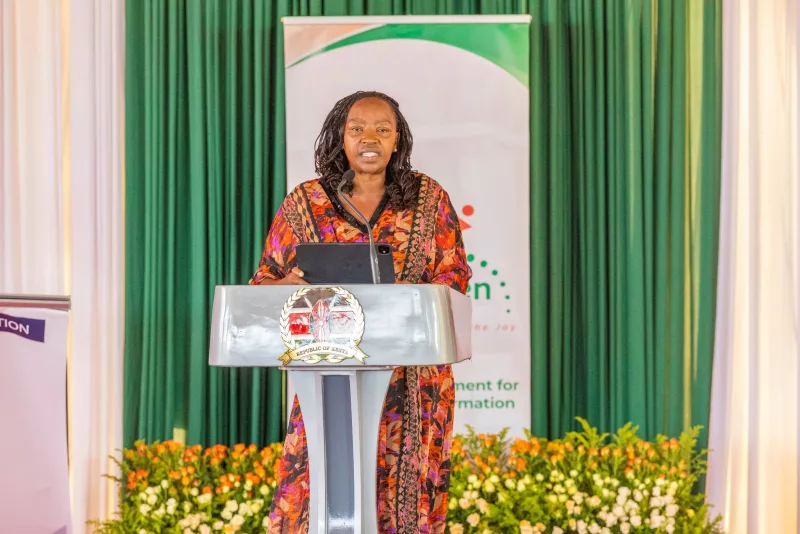
 Experts on reproductive health pose for a photo during the discussion/ HANDOUT
Stigma surrounding sexual and reproductive health and gaps in health insurance coverage continue to prevent Kenyans from seeking timely care, health experts have said.
Country Director of Marie Stopes Kenya Dr Walter Obita said stigma remains one of the biggest challenges in sexual and reproductive healthcare, with many people still reluctant to openly discuss reproductive health concerns or seek treatment early.
He said the reluctance can result in patients presenting at health facilities when their conditions have worsened, requiring more complex care than would have been necessary had they sought treatment earlier.
“People don't talk openly about sexually related matters,” Obita said, noting that some patients view such discussions as matters that should be kept private.
He said the challenge has been compounded by gaps in financing for sexual and reproductive health services, particularly where some conditions are not adequately covered by insurance.
Obita cited sexually transmitted infections as an example, saying some private insurance schemes exclude STI-related services from their benefits.
“Sex is part of our life, and in that process, you may get an infection,” he said, arguing that people should not have to bear the full cost of treatment for conditions arising from sexual activity.
The financing challenge means some patients have to pay out of pocket when seeking treatment, potentially creating another barrier to care.
The concerns were echoed by the head of marketing, evidence and impact Inviolata Nafula, who said the experiences of women seeking healthcare show that access is not only about whether a service exists but also whether patients feel able to seek it and participate in decisions about their care.
A survey of 102 women presented during the meeting found that 82 per cent had experienced at least one negative healthcare experience explored in the research.
The findings included 64 per cent of women who said they had been told their pain was normal when they did not feel it was, while 50 per cent said they had been interrupted before they could finish explaining their health concerns.
Another 44 per cent said they felt rushed during consultations, while a third reported being talked at by a healthcare provider rather than being listened to.
Nafula said the findings point to the importance of healthcare providers creating spaces where women can explain their concerns without feeling dismissed or judged.
The experiences shared during the meeting also illustrated the consequences of poor communication between patients and providers.
For some women, negative experiences with healthcare providers can create hesitation about seeking reproductive healthcare.
Ebi Susan, a new client, said she had previously been hesitant to seek reproductive healthcare after being told that her condition was a hormonal problem.
She was given medication but was not adequately informed about what the treatment was expected to address.
She described feeling uncomfortable during a consultation because she did not feel listened to, saying she was cut short while trying to explain how she felt to a doctor.
Susan said her experience at her current healthcare provider was different and influenced her decision to continue seeking care.
“I felt it was a more patient-centred service that I got compared to the previous clinic I was attending. I was listened to, they cared for me and they gave me what I wanted,” Susan said.
She said the experience gave her confidence to continue seeking care, illustrating how the way healthcare providers interact with patients can influence women's willingness to seek reproductive health services.
The experiences point to a wider challenge in reproductive healthcare, where stigma and communication barriers can influence whether patients disclose symptoms, ask questions or seek further treatment.
Obita said the sector also faces policy and regulatory challenges, particularly around post-abortion care.
He said healthcare providers offering such services have in some cases faced difficulties when dealing with law enforcement, creating an additional challenge for providers and patients seeking care.
He said the sector has also changed in response to evolving reproductive health needs, with services increasingly extending beyond family planning and post-abortion care to areas including menstrual health, fertility, antenatal and postnatal care, wellness, STI screening and menopause.
The organisation has responded by expanding its services and using community outreach and digital platforms to connect patients with information and care.
The discussion came during the launch of the second phase of the For Every Stage of Woman (FESOW) campaign, dubbed “We Start by Listening.”
The campaign seeks to ensure healthcare providers listen to clients’ individual experiences, concerns and needs before advising, diagnosing, prescribing or recommending treatment.