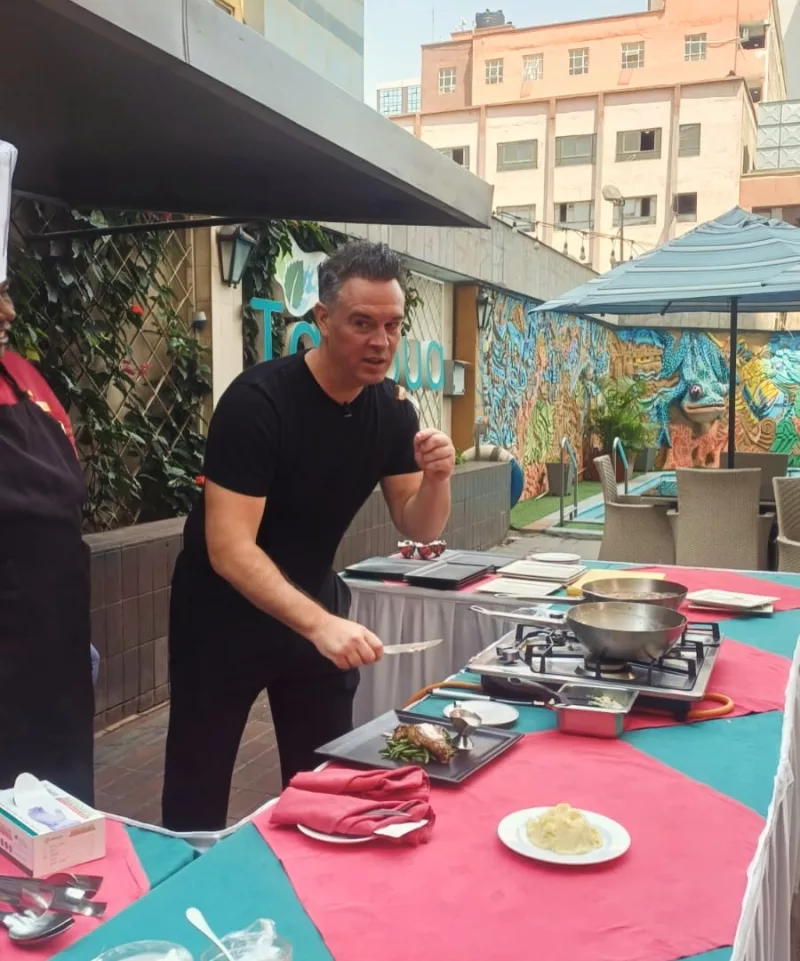
Mark Pollard has called for better standards and stronger oversight in Kenya’s liquor industry after claiming that he fell seriously ill twice within just 10 days after consuming alcohol locally.
Pollard said one of the episodes left him battling intense stomach problems for about 24 hours, with repeated vomiting and difficulty keeping either food or water down.
“I just had two situations in ten days due to some of the liquor here. Basically, 24 hours of vomiting. I vomited 15 times,” Pollard said, raising concerns over the quality of some alcoholic drinks being sold in the country.
His experience has added to growing conversations around consumer safety and the need for closer scrutiny of alcoholic beverages, particularly amid continued reports of counterfeit and illicit liquor being seized by authorities.
Read Also
Counterfeit alcohol remains a major concern
The concerns come at a time when Kenyan authorities continue to intercept suspected counterfeit alcoholic products.
In May 2026, the National Authority for the Campaign Against Alcohol and Drug Abuse (NACADA), working with the Kenya Revenue Authority and the National Police Service, seized a large consignment of suspected counterfeit alcohol in Makueni.
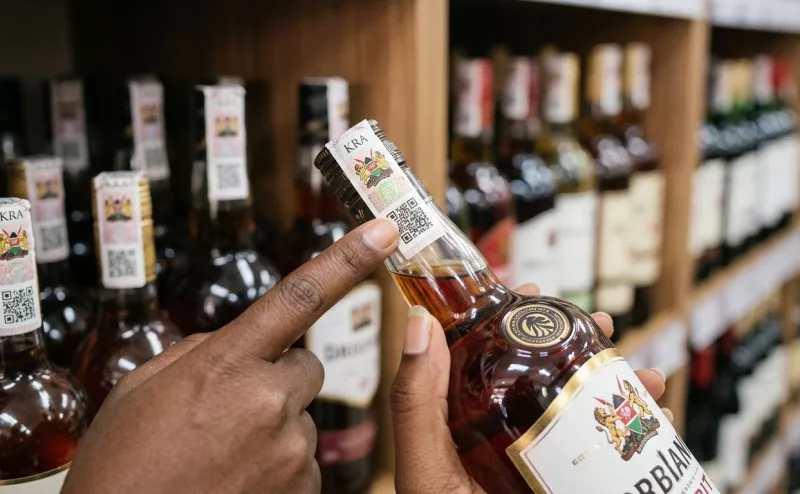
Another major operation in Kiamaiko in late 2025 uncovered counterfeit alcohol carrying fake labels and lacking safety markings normally associated with legitimate products. Authorities described the area as a hub supplying counterfeit drinks to Nairobi and other parts of the country.
The problem goes beyond fake branding. Health experts have repeatedly warned about the dangers associated with adulterated alcohol, particularly products that may contain toxic substances.
Kenya previously flagged over toxic alcohol risk
The seriousness of the issue was highlighted internationally in 2025 when the UK’s Foreign, Commonwealth and Development Office included Kenya among countries where travellers faced a risk of methanol poisoning from counterfeit or contaminated alcoholic drinks.
Methanol is particularly dangerous because poisoning can initially resemble ordinary alcohol-related illness, while severe exposure can result in life-threatening complications.
For Pollard, his experience has therefore become more than a personal health scare. His call for better standards highlights the wider question of whether consumers can always be confident about what is inside the bottles they purchase.
As authorities continue their crackdown on counterfeit and illicit alcohol, Pollard’s experience has renewed attention on the need for stronger enforcement, consumer protection and accountability across Kenya’s liquor industry.