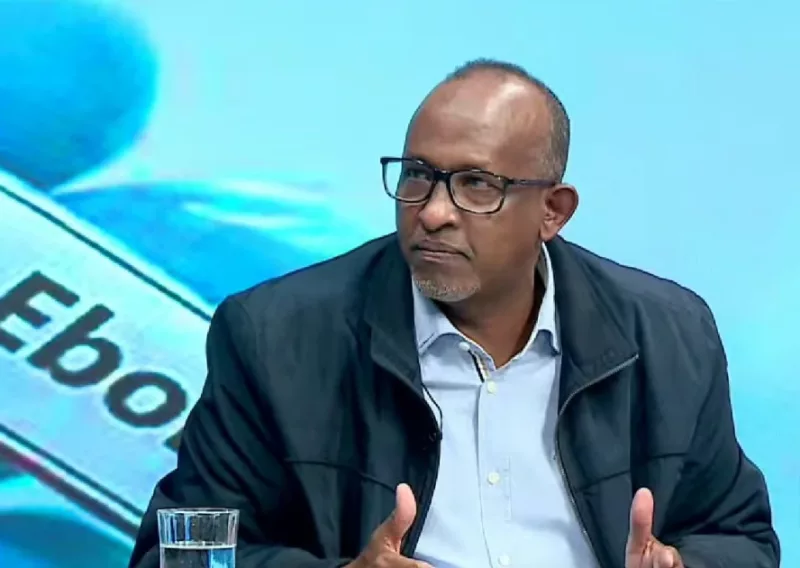
Content creator and US based truck driver Arnold Malcom has called for a bigger national conversation on endometriosis and women’s reproductive health in Kenya, saying the condition continues to affect many women without receiving enough public attention.
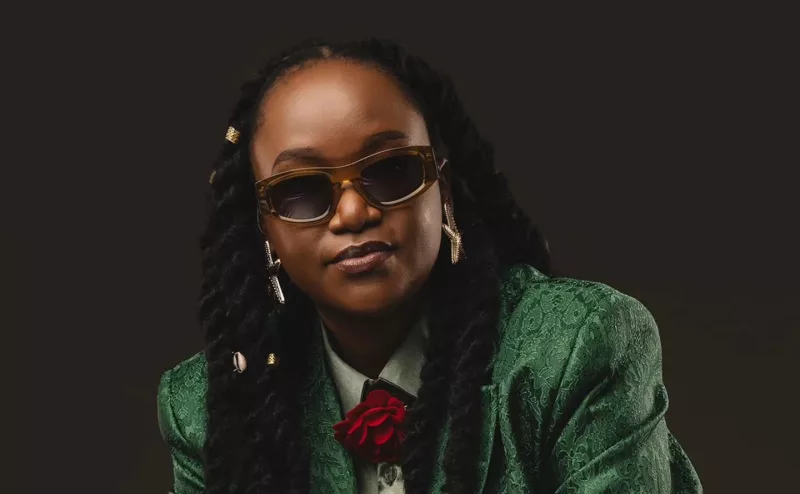
His remarks come shortly after digital creator Natalie Githinji revealed that she had been diagnosed with stage 4 endometriosis, once again bringing attention to the challenges women living with the condition face.
“We need to have a bigger national conversation about endometriosis and women’s reproductive health in Kenya. Endometriosis should not remain a silent disease in Kenya,” Arnold said.
Advertisement
Advertisement
He further raised concerns about the availability of specialists capable of handling complex cases, noting that Kenya lacks sufficient gynaecologists specialising in endometriosis to adequately serve women who need specialised care.
Endometriosis is a chronic condition in which tissue similar to the lining of the uterus grows outside the uterus. It can cause significant pain and may affect fertility and a woman’s quality of life.
For many women, getting a diagnosis can take time, particularly when painful periods and other symptoms are dismissed as something they simply have to endure.
Arnold’s comments highlight the importance of listening to women and taking reproductive health concerns seriously.
“Many women are suffering silently, and this is something we should talk about,” he added.
Malcom Arnold // Instagram
Natalie Githinji’s Diagnosis Sparks Conversation
Natalie Githinji’s disclosure of her stage 4 endometriosis diagnosis has also contributed to renewed conversations around the condition.
Her experience has offered a glimpse into the realities faced by women dealing with severe endometriosis while encouraging more openness around reproductive health.
The discussion has also raised questions about access to specialised treatment, early diagnosis and the need for more public education.
A Conversation Kenya Can No Longer Ignore
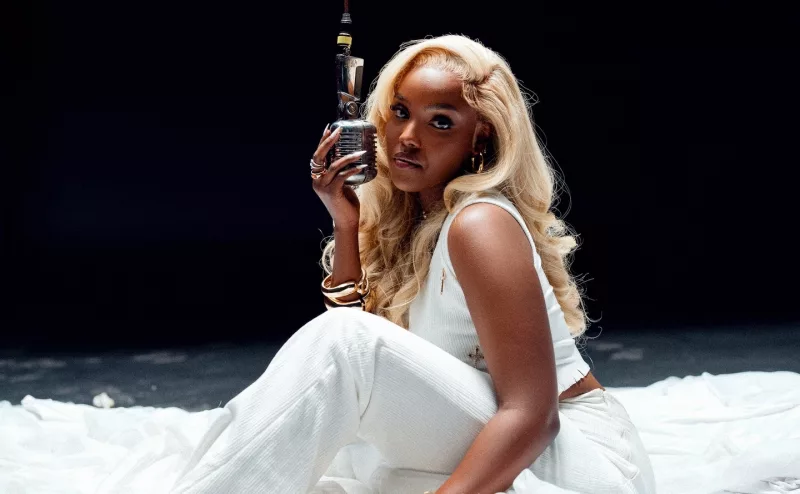
Taken together, the stories of Natalie Githinji, Corazon Kwamboka and the late Njambi Koikai show that endometriosis is far from an isolated struggle. Their experiences have helped shine a light on a condition that affects many women, often behind closed doors and with little understanding from society. As more women speak openly about their journeys, the conversation around endometriosis in Kenya must go beyond social media and become a wider national discussion about awareness, early diagnosis, access to specialised care and better support for those living with the chronic disease. Their stories also serve as a powerful reminder that behind the statistics are real women whose pain deserves to be heard, understood and taken seriously.