As concerns over counterfeit and illicit alcohol continue to grow in Kenya, consumers are being urged to pay closer attention to what they buy.
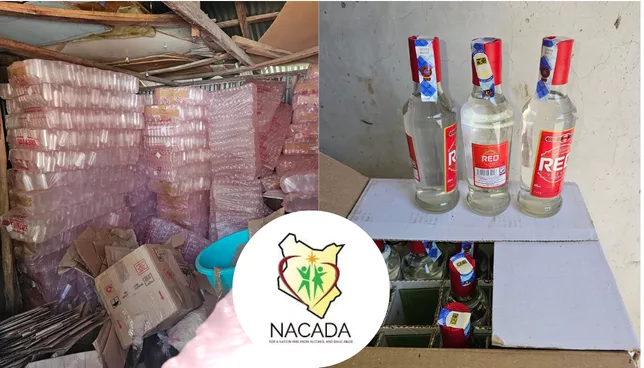
Recent enforcement operations have uncovered suspected counterfeit spirits, fake labels, tampered seals, and products carrying counterfeit excise stamps.
For consumers, the challenge is that some counterfeit products are deliberately packaged to look like genuine brands.
Read Also
However, there are several checks that can help reduce the risk of buying a suspicious product.
Check the KRA Excise Stamp
One of the first things to examine on an alcoholic drink is its KRA excise stamp.
KRA says excisable products are marked using secure paper or digital stamps as part of its Excisable Goods Management System.
Consumers can use KRA’s Soma Label application to verify the authenticity of excise stamps on products.
Do not assume that simply seeing a stamp means a bottle is genuine. Authorities have previously warned about counterfeit excise stamps being used on products in the market.
Look at the KEBS Mark
Consumers should also check the relevant Kenya Bureau of Standards certification information on the packaging.
KEBS says consumers can verify product certification through its app, by sending the SM number to 20023, or through its online database.
A mark that looks poorly printed, altered, or inconsistent with the rest of the packaging should raise questions.
Examine the Packaging Carefully
Before purchasing a sealed product, look closely at the bottle, cap, seal, label and printing.
Watch out for spelling mistakes, unusual fonts, poor-quality printing, damaged seals, labels that appear to have been reattached, and packaging that differs noticeably from the brand’s normal appearance.
Counterfeit operations can involve refilling genuine bottles and tampering with labels and seals, meaning the bottle itself can sometimes be misleading.
Be Careful With Suspiciously Cheap Products
An unusually low price can be another warning sign. If a product is being offered for far less than its normal price, consumers should question where it came from rather than assuming they have found a bargain.
KRA advises members of the public to purchase excisable products from licensed manufacturers and approved distributors.
Buy From Reputable, Licensed Sellers
Where possible, purchase sealed products from established and licensed retailers rather than unknown sellers.
Keep the receipt after making a purchase, particularly if something about the product appears suspicious.
A receipt can also help establish where the product was purchased if a complaint later needs to be made.
Do Not Try to Test Suspicious Alcohol by Drinking It
One important warning is not to rely on taste, smell, or taking a small sip to determine whether a suspicious drink is genuine.
A product that looks or tastes normal is not necessarily safe.
If a bottle appears suspicious, the safest decision is not to consume it.
What To Do If You Suspect a Fake Product
Consumers who encounter suspicious alcohol should avoid consuming it and report the product to the relevant authorities rather than trying to investigate it themselves.
KRA specifically asks the public to report suspicious excise stamps or excisable products, while KEBS has mechanisms for reporting non-compliant products.
The growing counterfeit alcohol problem means consumers cannot afford to overlook small warning signs.
Checking the excise stamp, verifying certification, examining the packaging, keeping receipts and buying from reputable sellers can all help reduce the chances of falling victim to counterfeit alcohol.