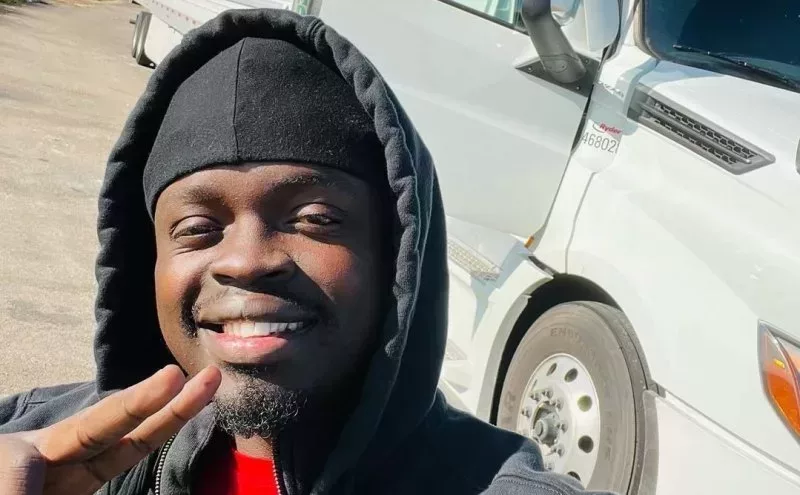
For a Kenyan who had spent years living in the Democratic Republic of Congo (DRC), the journey home ended in tragedy.
He travelled from the DRC through Uganda and eventually arrived in Nairobi, seemingly completing an ordinary journey back to his country.
But shortly after his arrival, he fell ill and was admitted to hospital.
Days later, his illness would become a national public health concern.
Kenya Confirms First Ebola Case
On Tuesday, October 6, 2026, Health Cabinet Secretary Aden Duale confirmed that Kenya had recorded its first confirmed case of Ebola Virus Disease.
In a statement announcing the development, Duale said:
“The Ministry of Health Kenya wishes to inform members of the public that it has confirmed the first case of Ebola. This patient is a Kenyan citizen who has been living in DRC.”
The patient subsequently died while receiving treatment in Nairobi.
His death has triggered an urgent public health response, with health authorities beginning contact tracing to identify and monitor people who may have been exposed to the virus.
A Journey From DRC to Nairobi
According to health officials, the patient was a Kenyan citizen who had been living in the DRC before returning home.
He travelled by road from the DRC to Uganda before boarding a flight to Nairobi. He arrived in the Kenyan capital on Saturday, October 3.
At the time, there was little indication that the journey would become part of Kenya's public health history.
However, after developing symptoms associated with viral haemorrhagic fever, he was admitted and isolated at Nairobi Hospital.
Samples were collected and sent for laboratory testing.
The results later confirmed that he had Ebola.
Patient Dies as Authorities Begin Contact Tracing
The patient's condition deteriorated after he was admitted to hospital, and he died on Monday night while receiving treatment.
His death marked a grim milestone for Kenya — the country's first confirmed case of Ebola.
But beyond the public health significance is a family now dealing with the loss of a loved one while authorities work to establish how many people may have been exposed.
The Ministry of Health has identified 28 contacts, including family members and healthcare workers who attended to the patient.
Authorities are also tracing passengers who travelled on the same flight from Uganda to Nairobi.
Those identified as contacts will be monitored for symptoms during the relevant follow-up period.
Families and Health Workers Face Days of Uncertainty
The confirmed case has created a second layer to the tragedy.
People who interacted with the patient before he was isolated are now being monitored for possible infection.
Among them are relatives and healthcare workers who came into contact with him while he was receiving care.
Contact tracing is a crucial part of the Ebola response because the virus can spread through direct contact with the blood or other bodily fluids of an infected person.
For those being monitored, the coming days will therefore be marked by uncertainty as health officials watch for any signs of illness.
Kenya Had Been Preparing for Ebola
The confirmation comes after months of preparations by the Kenyan government amid concerns about Ebola outbreaks in the region.
In June, the Ministry of Health said Kenya had not recorded a confirmed Ebola case but had strengthened surveillance and preparedness measures because of the outbreak in the region.
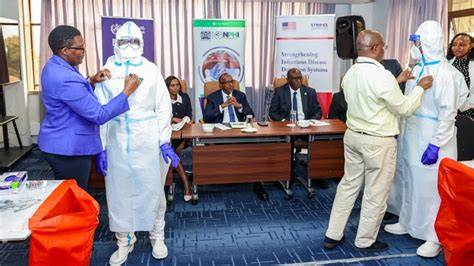
Those preparations included enhanced surveillance, screening at points of entry, strengthening laboratory capacity and ensuring health facilities were prepared to isolate suspected cases.
Those systems are now being put to the test.
Duale said thousands of healthcare workers had already received training on Ebola prevention and management.
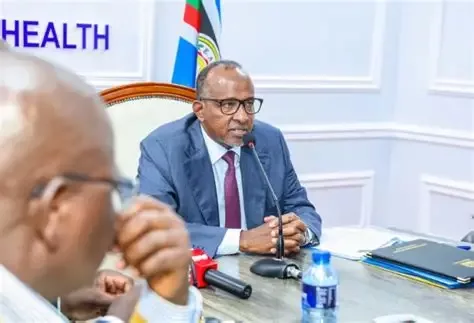
“We have trained 4,971 health care workers both at national and county level on Ebola prevention and management and also have notified WHO of this event. All systems are in place to mitigate the spread of the disease.”
The Health CS said the government had also notified the World Health Organization of the confirmed case as authorities moved to contain the disease.
An Outbreak That Has Crossed Borders
Kenya's case comes against the backdrop of an Ebola outbreak in the DRC, highlighting the difficulty of containing infectious diseases in a region where people frequently cross borders for work, family, trade and other reasons.
The patient's journey through Uganda before arriving in Nairobi has also placed attention on cross-border surveillance and the importance of monitoring movement between countries.
Uganda, which lies along the patient's travel route, had recorded Ebola cases during the outbreak but was declared free of the disease in August after reporting 20 cases and two deaths.
The movement of people across East and Central Africa means that countries can remain at risk even when they have not recorded a case themselves.
What Happens Now?
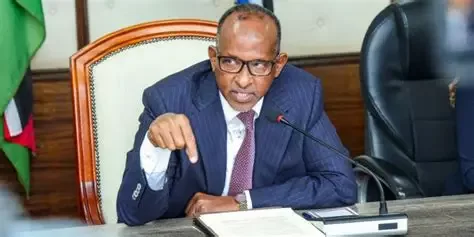
For Kenya, the immediate priority is to prevent further transmission.
Health officials are working to identify everyone who may have come into contact with the patient, monitor those contacts and respond quickly if anyone develops symptoms.
Authorities are also expected to provide further updates as contact tracing and investigations continue.
Members of the public have been urged to rely on information from the Ministry of Health and other official sources rather than rumours or unverified claims circulating on social media.
More Than a Public Health Statistic
Kenya's first confirmed Ebola case will inevitably become a significant moment in the country's public health history.
But behind the announcement is a person who travelled home, became sick and ultimately lost his life in a Nairobi hospital.
For his family, he is not simply Kenya's “first Ebola case”.
He was a Kenyan who had lived and worked away from home, made the journey back to his country and fell ill shortly after returning.
His final journey has now become part of Kenya's public health story.
As health workers trace his movements, monitor his contacts and work to prevent further transmission, the country is confronting a new reality: an outbreak that began far beyond Kenya's borders has now reached home.