National Assembly Majority Leader Kimani Ichung’wah has challenged former Deputy President Rigathi Gachagua to account for his record during the two years he served in the Kenya Kwanza administration before his removal from office.
Ichung’wah questioned Gachagua’s decision to assess the performance of President William Ruto’s administration, arguing that the former deputy president was part of the government for half of its first four-year term.
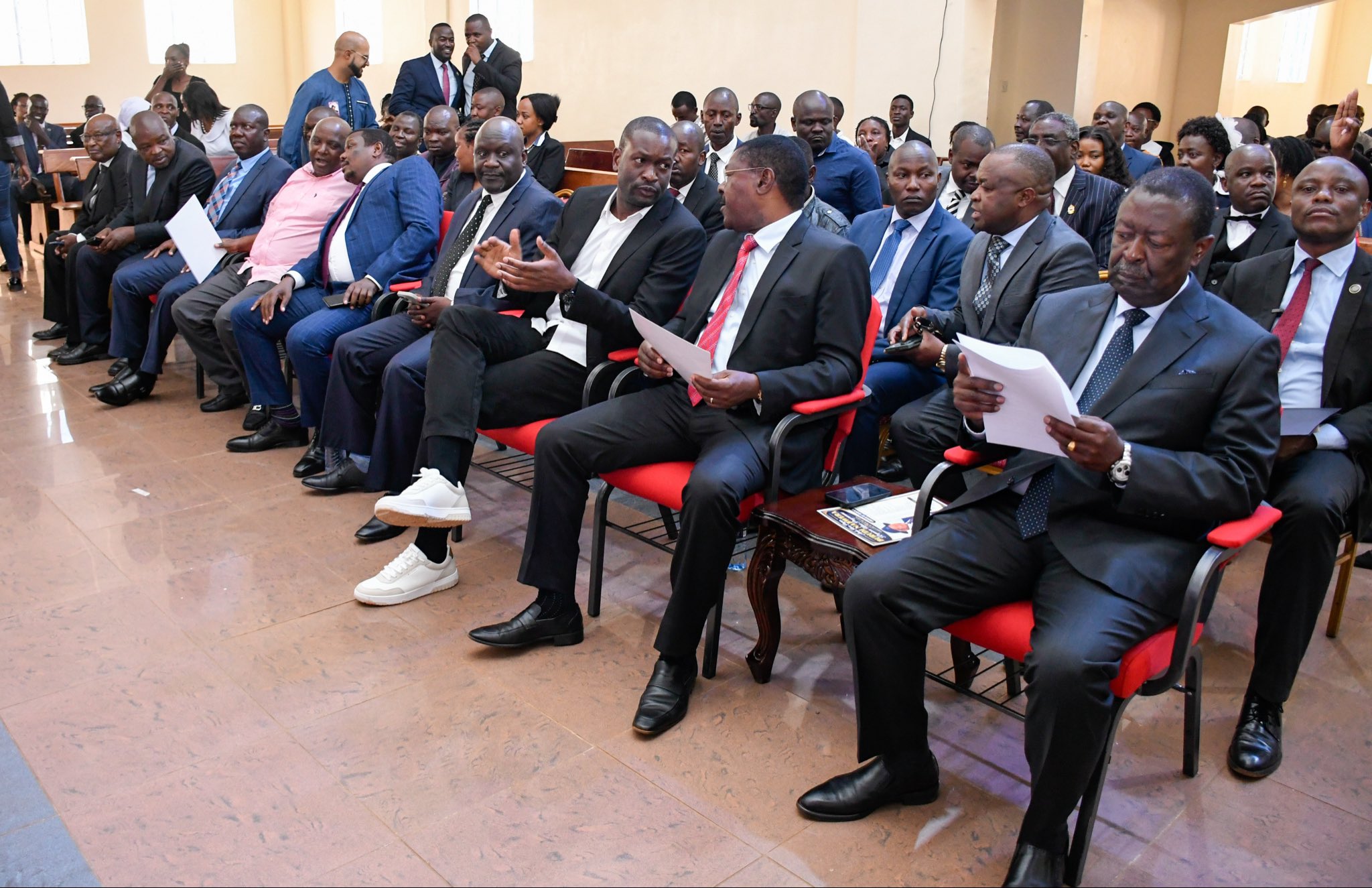
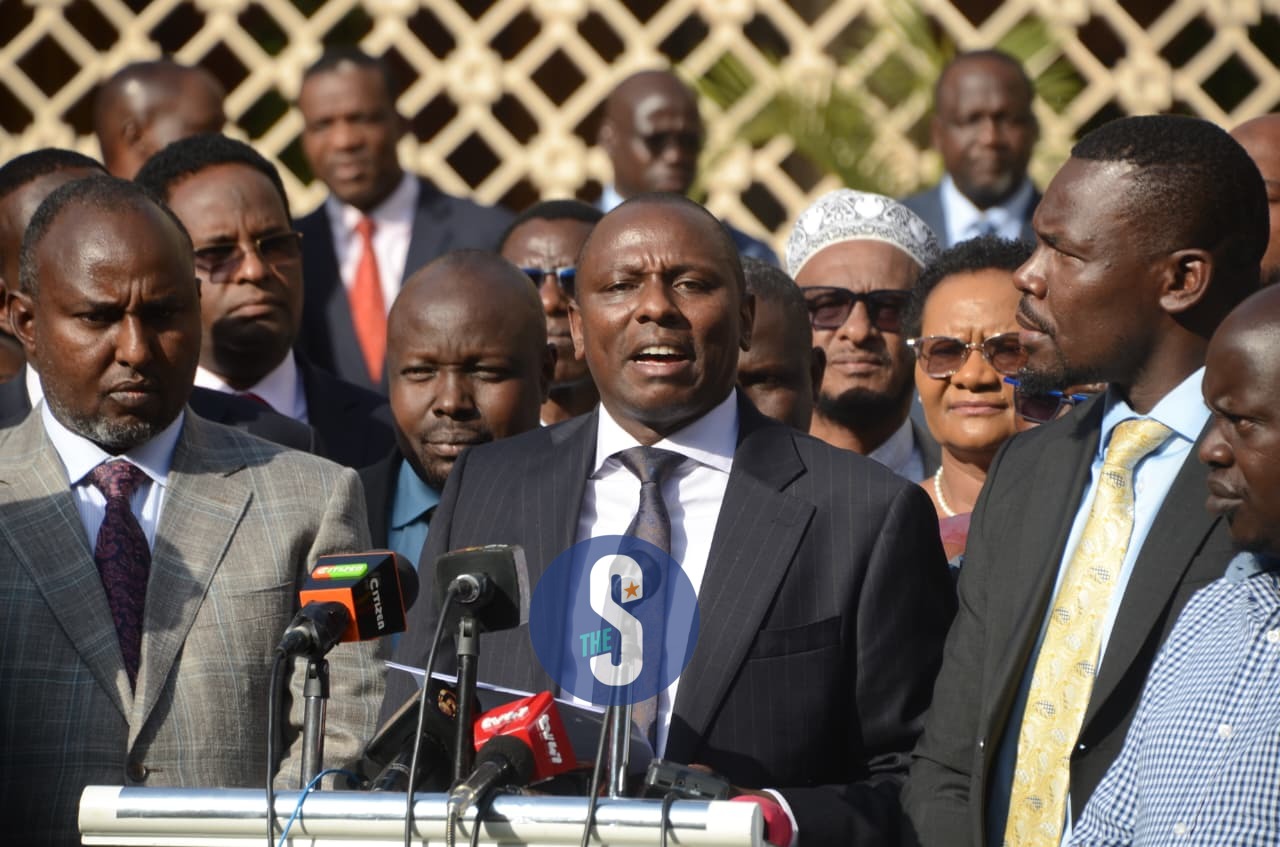
Speaking during a broad-based MPs’ response to Gachagua’s assessment of the Kenya Kwanza administration, Ichung’wah said Gachagua served in Cabinet and participated in National Security Council meetings while defending the government and its policies.
“He is attempting to take stock of the four years of the Ruto administration, an administration that he served for a record two years of those four years,” Ichung’wah said.
“He sat in Cabinet. He sat in National Security Council meetings, and he defended this government, its policies and its record.”
Ichung’wah said Gachagua should therefore explain what he accomplished during his tenure as deputy president before presenting himself as an authority on the administration’s performance.
“Perhaps we should also ask, what did Gachagua do in the two years that he served this country as the Deputy President?” he posed.
“What transformative national programme bears his name? What economic reform did he design? What national institution did he build? What lasting policy did he leave behind? What was his great idea for Kenya? And I dare ask, what is your great idea for Kenya today, Gachagua?”
The Majority Leader said Kenyans would ultimately judge the Ruto administration based on its performance and the results of its policies.
He pointed to agriculture as one of the areas where the government believes it has made progress, citing increased access to subsidised fertiliser and the recovery of food production.
“Millions of farmers today have access to subsidised fertiliser, which has lowered their cost of production and helped restore national food production,” Ichung’wah said.
He also cited the decline in the retail price of maize flour as an indicator of the changes in the agricultural and food sector.
Ichung’wah further highlighted the government’s health reforms, including the implementation of the Social Health Authority and expansion of primary healthcare through Community Health Promoters.
“Universal health coverage has moved from a promise discussed by successive regimes and administrations into an actual national system being implemented across the country,” he said.
On housing, Ichung’wah defended the Affordable Housing Programme, saying its beneficiaries and workers involved in construction were among those who stood to benefit from the initiative.
He also cited the Hustler Fund and other government programmes as measures aimed at expanding access to affordable credit and supporting small businesses.
According to Ichung’wah, young Kenyans have also benefited from entrepreneurship training, certification, enterprise support and labour mobility agreements that have opened employment opportunities outside the country.
He said the administration was also pursuing changes in infrastructure financing through mechanisms intended to attract private and long-term capital into major projects.
Ichung’wah said the government’s infrastructure agenda included roads, railways, dams and electricity transmission projects, while arguing that new financing models would reduce reliance on direct borrowing and taxation to fund capital-intensive projects.
The Majority Leader also defended the administration against Gachagua’s criticism of the government’s performance, saying the broad-based administration had undertaken what he described as significant structural reforms.
He said the government would continue to be judged by Kenyans ahead of the 2027 General Election.
“We have said Kenyans will judge this administration at the end of next year, this term next year in August,” he said.
Ichung’wah also criticised Gachagua’s approach to national politics, accusing him of focusing on ethnic and political divisions instead of presenting an alternative national agenda.
He said Kenya should not be reduced to a system where political communities are treated as shareholders entitled to portions of the country based on voting patterns.
“Kenya rejected that philosophy. The Constitution rejected that philosophy of shareholding, and ultimately Parliament rejected the politics that accompanied it,” he said.