
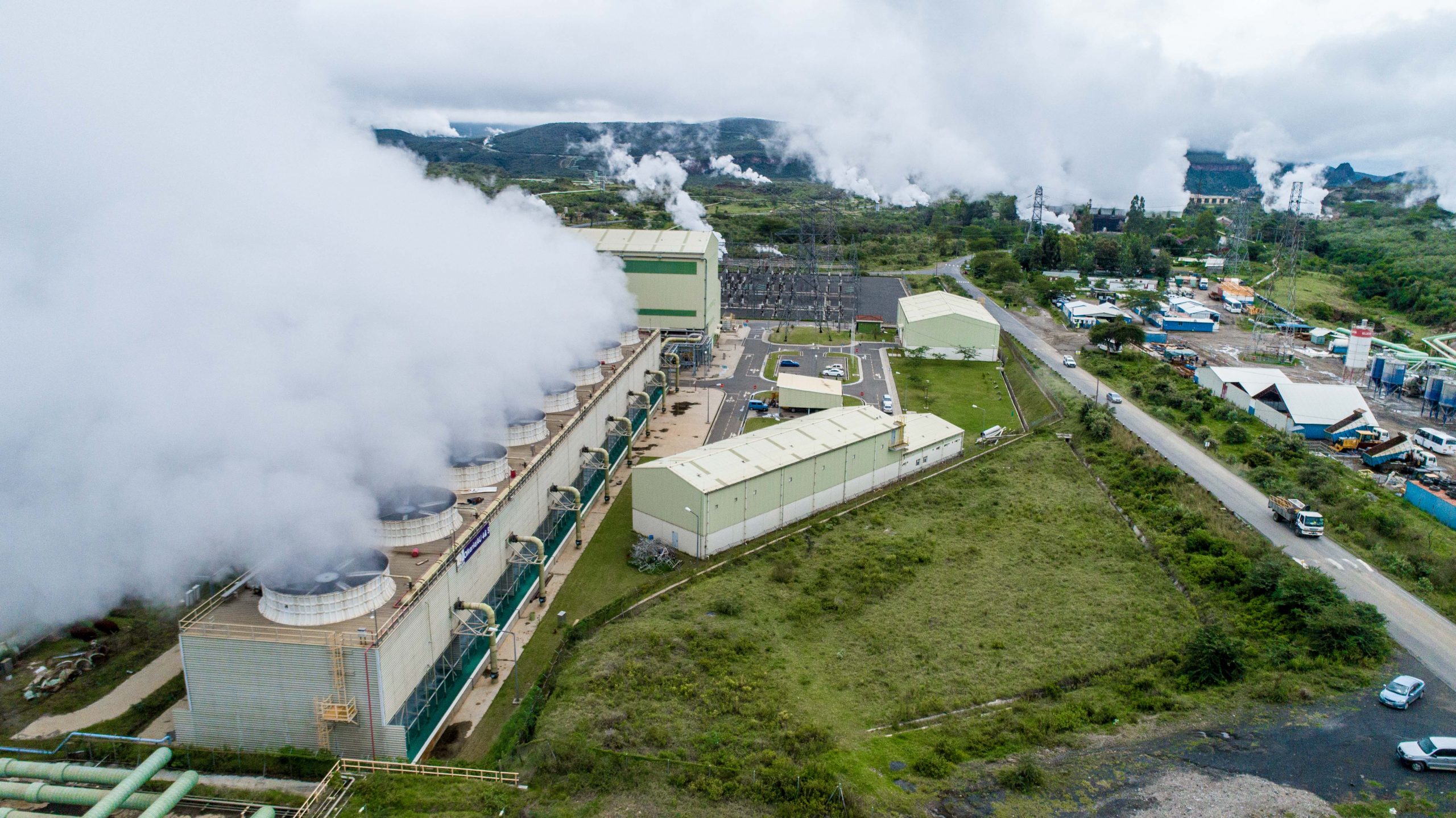
 Olkaria I Unit 6 is a geothermal power plant project by KenGen
Kenya has every reason to be proud of its renewable energy journey. Few countries, especially in the developing world, can claim that more than 90 per cent of their grid electricity comes from renewable sources.
Through sustained investment in geothermal, hydropower, wind and, increasingly, solar energy, Kenya has transformed its electricity sector into one of Africa's greatest clean energy success stories.
This achievement has reduced dependence on imported fossil fuels, strengthened energy security, cut greenhouse gas emissions and expanded electricity access to millions of homes, schools, hospitals and businesses. The country's progress also demonstrates that climate action and economic development can go hand in hand.
Yet this remarkable achievement hides an uncomfortable truth. Producing clean electricity is only part of the story. If electricity remains too expensive for households and businesses to use, the full promise of the renewable energy transition will remain out of reach.
Kenya has done an admirable job increasing electricity generation. The challenge now is ensuring that the electricity it generates is affordable, accessible and fully utilised.
The country's renewable energy success has been built on decades of public and private investment. Between 2010 and 2020, Kenya attracted about USD 5.6 billion in renewable energy investments, making it the leading destination for clean energy financing in East Africa. These investments have enabled major projects such as the Olkaria geothermal fields, the Ngong Hills Wind Farm and the Lake Turkana Wind Power Project, all of which have demonstrated that renewable energy can reliably power a modern economy.
Among these technologies, geothermal energy has become the backbone of Kenya's electricity system. Unlike hydropower, which depends heavily on rainfall, geothermal provides reliable electricity throughout the year, making it one of the country's greatest strategic assets.
Government policy has also continued to evolve. The introduction of net metering regulations now allows consumers with rooftop solar systems to sell excess electricity back to the national grid. New electricity market regulations are opening the sector to greater competition by allowing large consumers to purchase electricity directly from producers. Together with the National Energy Policy 2025-2034, these reforms signal that Kenya intends to remain a continental leader in renewable energy.
However, policy success should not be measured solely by the amount of electricity generated. It should also be judged by whether ordinary Kenyans can afford to use that electricity.
For many households, electricity bills remain painfully high. Investment costs, foreign exchange fluctuations, fuel cost adjustments, taxes and levies all contribute to tariffs that many consumers struggle to pay. As a result, millions of families continue relying on charcoal, firewood and kerosene for cooking and lighting despite living in a country that produces mostly clean electricity.
This has consequences far beyond household finances. Continued dependence on traditional fuels contributes to deforestation, indoor air pollution and preventable illnesses, particularly among women and children who spend long hours around smoky cooking fires.
Affordable electricity should therefore become a social policy as much as an energy policy. Targeted subsidies for vulnerable households, lower connection costs and stronger support for clean cooking technologies would help ensure that the benefits of renewable energy reach everyone, not just those who can comfortably pay their monthly bills.
Industry also feels the burden of expensive electricity. Manufacturers have repeatedly cited energy costs as one of the biggest obstacles to competitiveness. High electricity prices raise production costs, discourage investment and make Kenyan goods less competitive within regional and international markets.
Many companies have responded by investing in their own power generation through rooftop solar systems, biomass plants and even diesel generators. While this helps businesses manage costs and improve reliability, it also reduces demand from the national grid and, in some cases, increases fossil fuel use. This is hardly the outcome Kenya's renewable energy ambitions were meant to achieve.
Another challenge is that electricity generation has grown faster than electricity demand. Kenya has invested heavily in expanding generation capacity, but sectors capable of consuming large amounts of electricity, such as manufacturing, electric mobility and agro-processing, have not expanded at the same pace.
This mismatch means some renewable generation capacity remains underutilised. Encouraging industrial growth and supporting electric transport would not only stimulate economic development but also ensure that investments in clean energy deliver maximum value.
Kenya also has enormous untapped renewable energy potential.
Wind development has slowed despite the success of the Ngong Hills and Lake Turkana projects. Vast areas across northern Kenya, the Rift Valley and eastern Kenya possess excellent wind resources that remain largely undeveloped.
Solar energy presents an equally significant opportunity. Kenya enjoys abundant sunshine throughout the year, yet utility-scale solar projects and household solar installations could grow much faster if financing became more accessible. New technologies that improve solar panel efficiency and reduce maintenance requirements should also be explored to maximise electricity generation.
Beyond land-based renewables, Kenya should begin looking seriously at its coastline. Marine renewable energy, including offshore wind, tidal and wave energy, remains largely unexplored. Although these technologies are still emerging globally, early investment in research could position Kenya as a regional leader in marine energy while diversifying its electricity mix over the coming decades.
Technology alone, however, will not guarantee success.
Strong governance remains essential. Delays in project implementation, procurement weaknesses and corruption increase infrastructure costs and discourage investors. Greater transparency and accountability would strengthen confidence in the sector while ensuring public resources are used efficiently.
Equally important is community participation. Renewable energy projects should not become sources of conflict over land, compensation or environmental impacts. Communities that host these projects deserve meaningful consultation and fair opportunities to benefit from the economic activity they generate.
International development partners have played a critical role in financing Kenya's renewable energy expansion. Their support has helped build geothermal plants, wind farms, transmission lines and climate resilience projects. But Kenya should gradually strengthen domestic financing and create regulatory certainty that attracts greater private investment while reducing dependence on external funding.
Kenya has already shown that an African country can build a predominantly renewable electricity system. That achievement deserves recognition. The next chapter, however, is not about generating more clean electricity for its own sake. It is about ensuring that clean electricity powers factories, creates jobs, supports households, reduces inequality and drives long-term economic transformation.
The country's renewable energy transition will ultimately be judged not by the percentage of renewable electricity on the grid, but by whether every Kenyan can afford to switch on the lights, every business can compete using affordable power, and every community can share in the benefits of a cleaner, more resilient economy.
Kenya has laid the foundation. The task now is to make its clean energy success work for everyone.