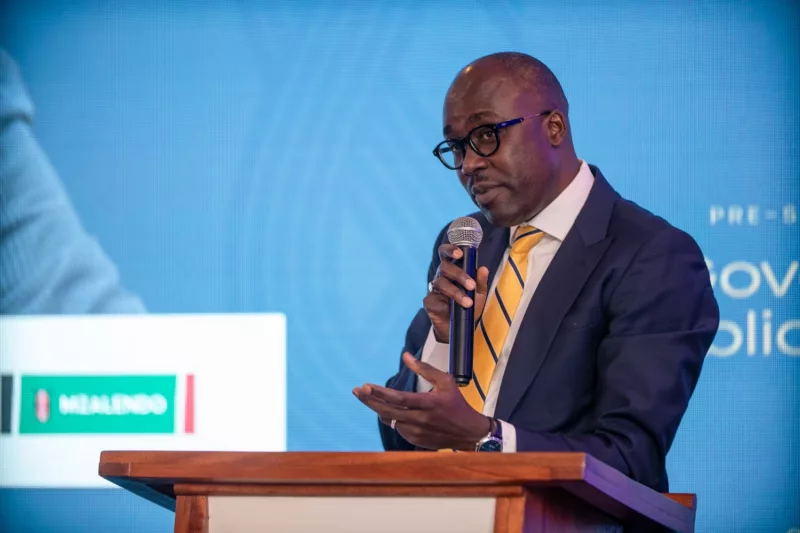
 State Department for Foreign Affairs Principal Secretary, Dr. Korir Sing’Oei /HANDOUT
Kenya’s growing trust deficit in public institutions is emerging as a potential threat to the country’s investment climate, with governance leaders warning that weak accountability, poor service delivery and pressure on oversight bodies could undermine confidence in government.
The warning comes at a time when businesses and investors are seeking greater predictability in regulation, public policy and government decision-making to support long-term investment.
Governance, public sector and civil society leaders meeting in Nairobi said rebuilding confidence in public institutions would be critical to strengthening the relationship between government, businesses and citizens.
The concerns were raised during a governance roundtable co-convened by Mzalendo Trust, the Open Government Partnership (OGP) Kenya and the State Department for Foreign Affairs ahead of the inaugural Trust Summit: Nairobi Dialogues on Global Trust, scheduled for October.
Participants identified corruption, weak accountability, poor public service delivery and pressure on the independence of oversight institutions as some of the factors behind declining public trust.
For investors, confidence in institutions is an important consideration when deciding where to commit capital, particularly for long-term projects that depend on predictable regulations, efficient government services and stable policy.
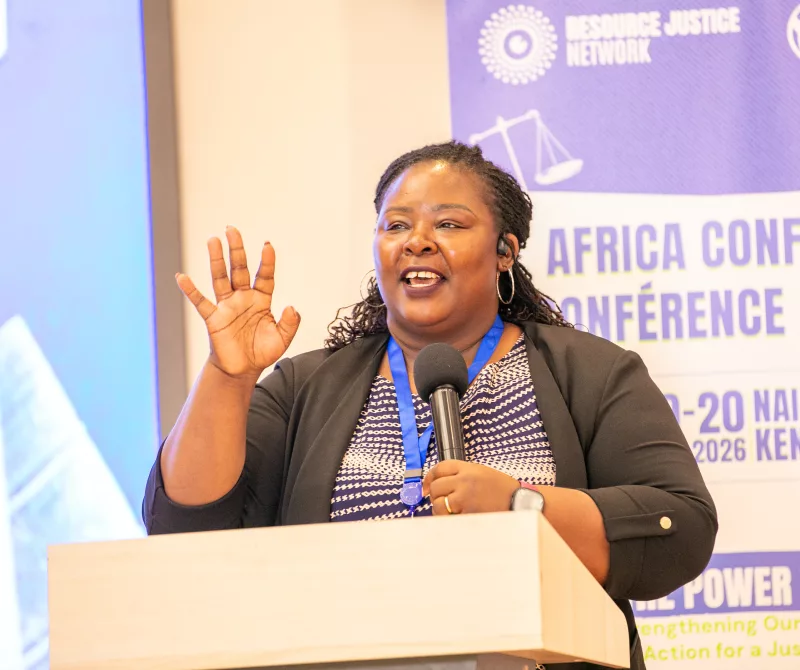
Caroline Gaita, Executive Director of Mzalendo Trust, said trust was fundamental to the functioning of political and public institutions and required government to act in the interests of citizens.
“Trust is the bedrock of democracy, government must protect citizens and promote their common welfare,” Gaita said.
The discussions also placed scrutiny on Kenya’s regulatory and oversight framework, with participants questioning whether institutions created under the 2010 Constitution have delivered the level of accountability and confidence expected of them.
Foreign Affairs Principal Secretary Korir Sing’oei, said Kenya needed to continuously examine the relationship between institutional design and public trust.
“We created institutions of oversight and governance designed to ensure that we can trust,” Sing’oei said.
He questioned why public confidence remained low despite the constitutional architecture established to strengthen governance and oversight.
The concerns have implications for the private sector because businesses depend on government agencies and regulators for licensing, enforcement, approvals, public procurement, taxation and other services.
A loss of confidence in these institutions can increase uncertainty for businesses, making it more difficult for investors to assess risks and plan long-term projects.
Participants called for stronger independent oversight, greater transparency in public finances and improved public services as part of efforts to restore confidence.
Dr Vincent Ogutu, Vice Chancellor of Strathmore University, said trust was built around expectations shared by citizens, institutions and leaders.
“Trust matters, because we have expectations, citizens expect institutions and leaders to contribute to a better future,” said Ogutu.
The meeting also examined youth participation in governance, political polarisation and shrinking civic space, highlighting broader pressures facing democratic institutions across Africa.
The Nairobi meeting is part of a series of consultations ahead of the October Trust Summit and follows a June engagement with regulatory institutions.
Organisers say the consultations are intended to move the conversation from identifying the causes of declining trust towards practical reforms that can strengthen institutions and renew confidence between citizens and government.