Former journalist,a presenter at NTV and ex-Director of Press Service in the Office of the Prime Cabinet Secretary, Salim Swaleh, has clarified the circumstances surrounding a tearful video in which he apologised to Prime Cabinet Secretary Musalia Mudavadi.
Speaking after the clip resurfaced online and generated fresh discussion on social media, Swaleh explained that the recording was never intended for public consumption.
Read Also
“One month later, I saw the video online. That video, which I had sent privately to one or two people in that office, was published everywhere. My children were deeply affected; they went to school and were told, “We saw your father crying.”

The emotional video first emerged in August 2024, when Swaleh was facing legal challenges stemming from allegations of fraud involving KSh5.8 million. He was among several individuals arrested in connection with the case.
Emotional Appeal to Former Boss
In the widely shared video, Swaleh apologised to Mudavadi and admitted that he had broken the trust they had built during their working relationship.
Swaleh said he recorded the message after several unsuccessful attempts to reach the Prime Cabinet Secretary through other channels.
“I had just come from court, and everything felt very gloomy. I decided I needed to speak to Musalia directly. I took my phone, went into the bedroom, and recorded that emotional message—it was very difficult,” he said.
According to the former broadcaster, he hoped the message would convey his remorse and seek forgiveness amid the challenges he was facing at the time.
Public Interest Renewed
The clarification comes after renewed circulation of the video online prompted speculation about its purpose and timing.
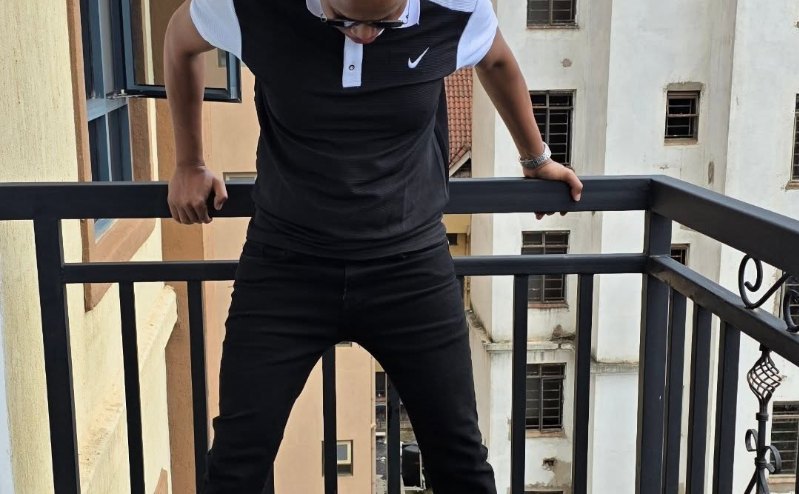
By explaining that the clip was intended as a private communication rather than a public statement, Swaleh sought to provide context to viewers who had interpreted it as a public appeal.
“It was a private message that was leaked.”
A Career in Media and Public Service
Before joining the government, Swaleh was a familiar face in Kenyan broadcasting, having worked as a news presenter and journalist.
His transition into public service saw him serve in the Office of the Prime Cabinet Secretary before becoming embroiled in the controversy that later led to his arrest.