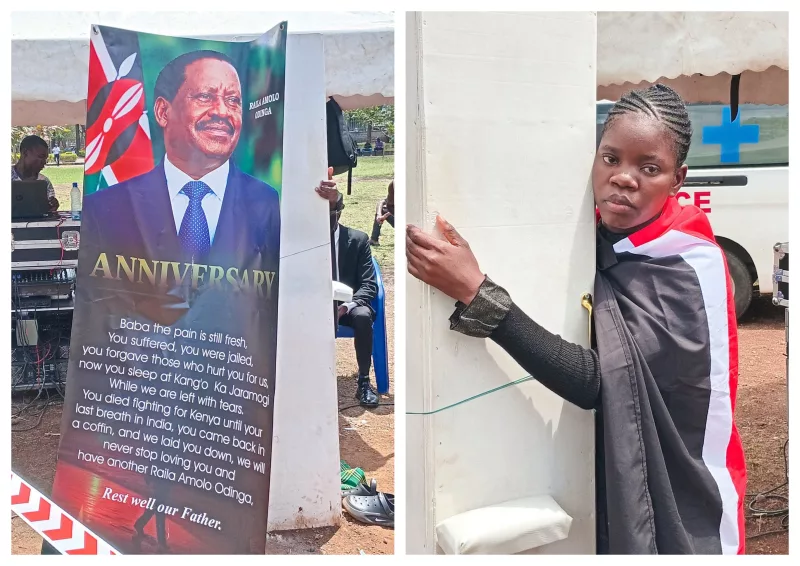
One year after the death of veteran politician Raila Odinga, Kenya's political landscape has shifted significantly while core party structures and political debates have largely persisted.
The Momentous Loss
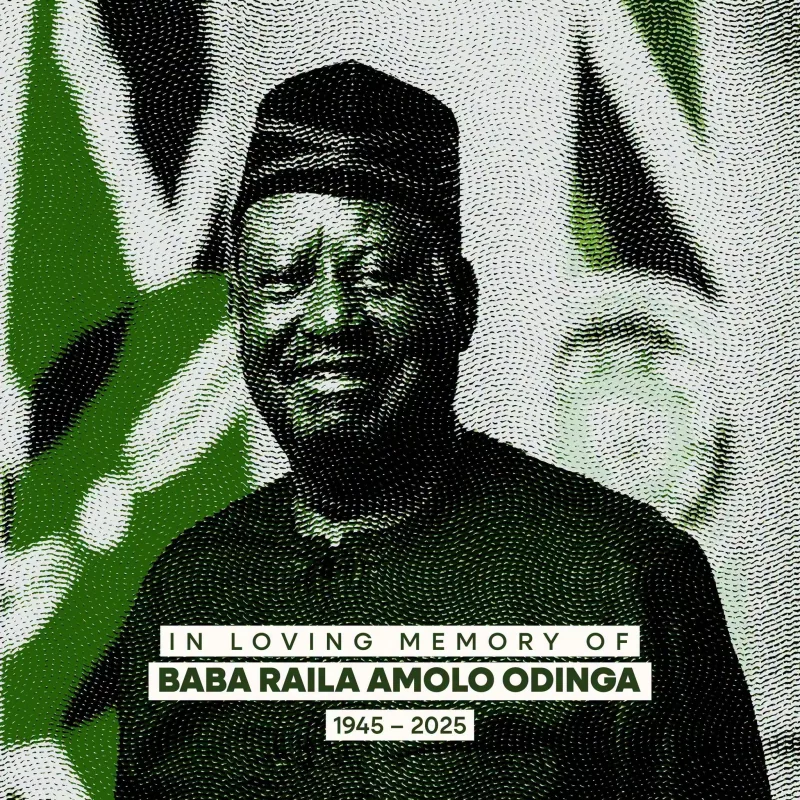
Raila Odinga died on 15 October 2025 at age 80. He passed away at Devamatha Hospital in Koothattukulam, Kerala, India, after collapsing during a morning walk.
Medical reports confirmed the cause of death as cardiac arrest. His long-serving bodyguard, in an interview, confirmed that Odinga died while walking, not in a hospital bed as alleged earlier.
What Has Changed
Over the past 12 months, key political realignments and organisational changes have emerged across Kenya's political arena:
- ODM's Position on the Presidency: For the first time since 2007, the Orange Democratic Movement (ODM) is not preparing to field its own presidential candidate, having aligned to support President William Ruto's 2027 re-election bid.
- New Leadership and Internal Fractures: Oburu Oginga took over as party leader, ratified at the March National Delegates Convention, while Homa Bay Governor Gladys Wanga became national chairperson.
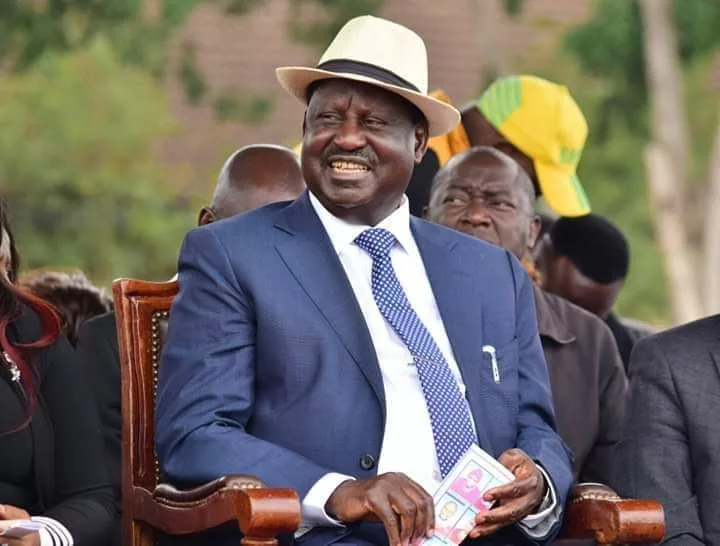
Raila Odinga // Facebook - This transition triggered deep internal rifts, leading figures like Secretary-General Edwin Sifuna, Siaya Governor James Orengo, and Godfrey Osotsi to oppose the close ties with Ruto and form the Linda Mwananchi movement.
- End of the Bipolar Structure: His death removed one of the two dominant gravitational forces that defined Kenyan elections since the 1990s, ending the long-standing "bipolar" political rivalry
- Business Network Adjustments: Raila’s family business empire—including the gas cylinder manufacturer East African Spectre—reorganised its shareholding and moved to a larger plant in January 2026.
What Has Remained the Same
Despite these significant organisational shifts, foundational elements of Kenyan political life continue unchanged:
- The Broad-Based Government Arrangement: President William Ruto’s UDA party and Raila Odinga’s ODM party continue their power-sharing collaboration, with ODM figures (such as John Mbadi at the National Treasury and Hassan Joho at Mining) serving in Cabinet.
- Dominance of Raila's Legacy: Raila’s name, image, and political philosophy remain central to Kenyan politics, invoked both by leaders backing President Ruto's broad-based arrangement and by opposition figures claiming his tradition of resistance.
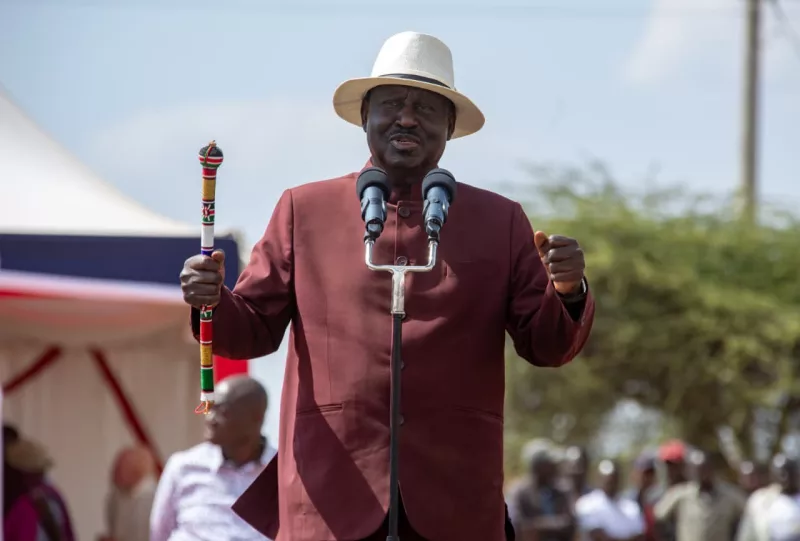
Raila Odinga // Facebook
- Survival of the Orange Infrastructure: ODM's formal party machinery—including national, county, constituency, and ward structures—has survived. Leadership has actively pushed to reactivate grassroots branches and digital systems ahead of the 2027 elections rather than relying solely on centralised endorsements.
- Intense Competition for the Base: Rival political camps continue a fierce tug-of-war to capture Raila’s political base and inheritance in Nyanza and across the broader opposition network.
- Economic Pressures and Governance Grievances: Grassroots economic discontent, heavy national debt, and youth-led (Gen Z) pressures continue to challenge the government's administration just as they did before his passing.