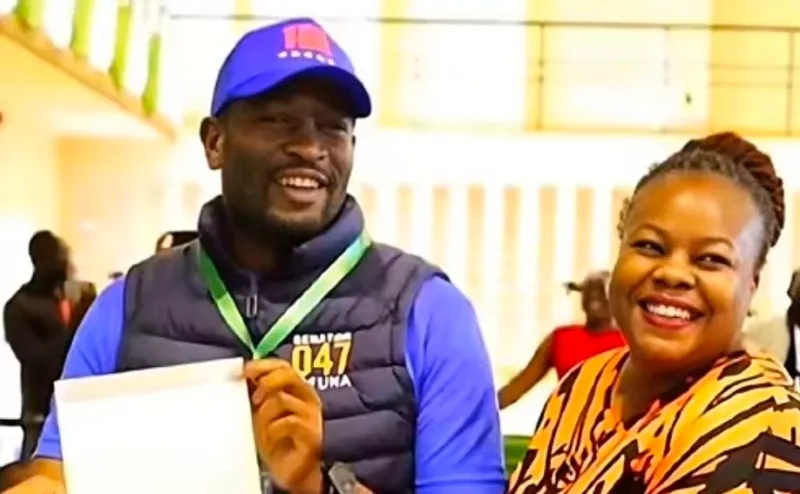
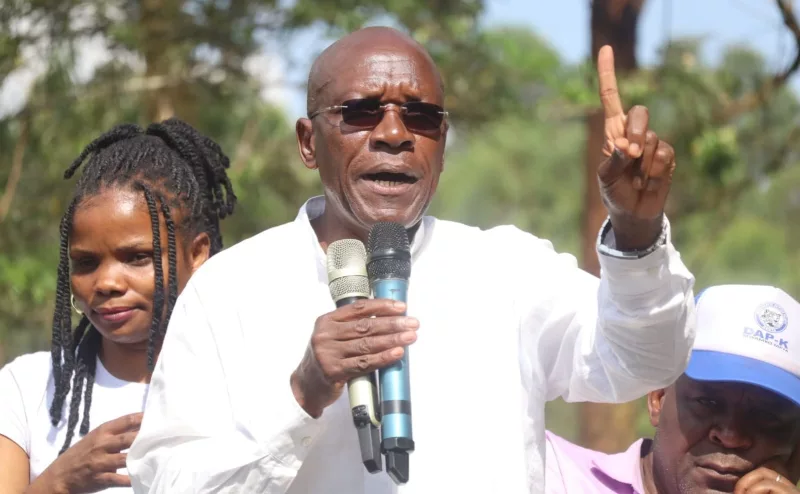
During a recent appearance on the Mic Cheque Podcast, Nairobi Senator Edwin Sifuna engaged in a wide-ranging conversation that stretched beyond the usual political talking points.
The discussion touched on governance, leadership, the changing nature of political engagement, and, perhaps most intriguingly, the growing influence of digital platforms in shaping Kenya's political future.
Out of that conversation emerged a thought-provoking question: Could social media play a decisive role in producing Kenya's next president?

The Shift from Traditional to Digital Politics
The idea reflects a significant shift in how politics is experienced and understood in modern Kenya. Traditionally, the path to the presidency has been built through established political structures—party networks, regional alliances, grassroots mobilisation, and extensive nationwide campaigns.
"Time ya Moi hata hii kitu mnafanya hapa haingekua hapa. Kulikua na station moja ya baba na mama. Sahii tungekua KBC na ukisema kitu mbaya ukitoka hapounaingia Nyayo House."
Political influence was often cultivated through physical rallies, mainstream media appearances, and the backing of powerful political figures.
However, the rise of social media has introduced an entirely new dynamic. Platforms such as X, TikTok, Facebook, Instagram, and YouTube have transformed ordinary citizens from passive consumers of political information into active participants in national conversations.
The Power Balance: Voters Reshaping the Narrative
Politicians are no longer the sole drivers of political narratives; voters now question, critique, amplify, and even reshape those narratives in real time.
This shift has democratised the political space, giving a louder voice to demographics that were previously sidelined in traditional media and political forums.
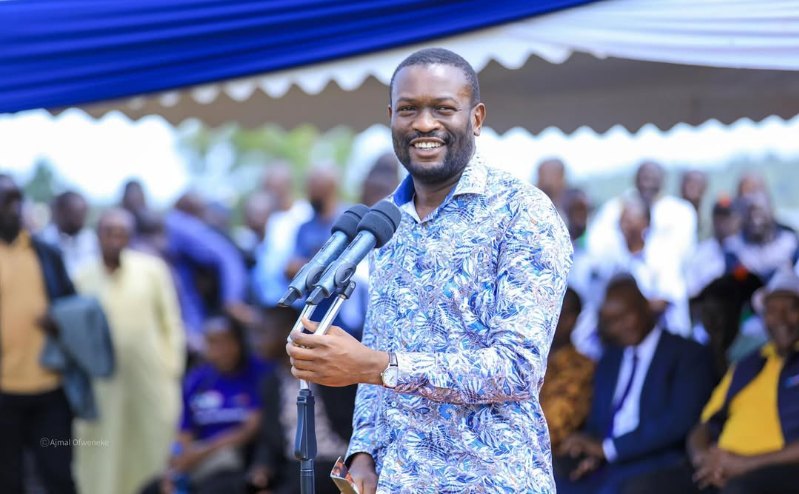
Senator Edwin Sifuna also reflected on the wave of anti-government demonstrations witnessed in recent years, particularly those that saw Generation Z emerge as a powerful force in Kenya's civic and political landscape.
"At the end of the day, we just want to be in a free country. Hatutaki kuambiwa kila kitu, yaani gava iko in our business..."
He pointed to the remarkable manner in which young people organised themselves, often without relying on traditional political structures or recognised leaders, to voice their frustrations and demand accountability from those in power.
Social Media as the New Frontline for Mobilisation
Social media platforms became centres of mobilisation, information sharing, and public debate. Young Kenyans used these platforms to coordinate activities, document events in real time, amplify calls for justice, and express solidarity with one another across geographical boundaries.
"Kama hio time ya kuenda state house, Gen Z walisema sisi hatuendi state house.."
Through hashtags, videos, livestreams, and online discussions, they sustained momentum and drew national and international attention to their cause. As these digital networks grow more sophisticated, they continue to challenge the status quo, redefining how future campaigns will be run and won.