Long before a virus crosses a border, something else usually arrives. Fear. Rumour. Speculation. Politics. The crisis before the crisis.
Kenya's current debate around Ebola preparedness is a reminder that governments spend enormous amounts of time preparing for outbreaks, yet often spend far less time preparing for the reaction to them.
That reaction can be just as consequential.
For all I know, the proposed partnership between Kenya and the United States may be exactly what the country needs. It may strengthen preparedness, improve surveillance, train health professionals and provide capabilities that could save lives in the future.
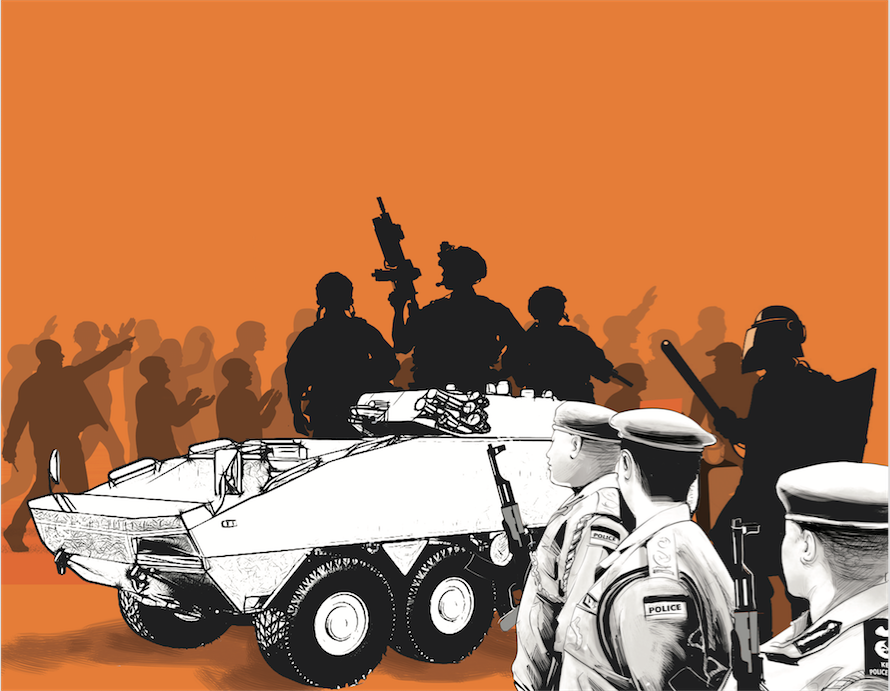
That is not what interests me most. What interests me is what the debate has revealed. No Kenyan has died from Ebola. Yet families are mourning loved ones following protests linked to Ebola preparedness.
That should give us pause.
A country preparing for a disease it does not currently have has seen lives lost in the argument about how to prepare for it. That is an extraordinary situation. And it raises a broader question. Are governments preparing only for outbreaks, or are they also preparing for the public reaction that often arrives first?
The reality is that modern crises rarely begin with the event itself. They begin with a narrative.
By the time an outbreak occurs, citizens have already formed opinions. Rumours have already circulated. Political actors have already taken positions. Social media has already amplified fears, assumptions and half-truths. The crisis often starts long before the crisis. That is one of the defining leadership challenges of our age.
We live in a world where information travels instantly, trust is fragile and public opinion forms at extraordinary speed. In such an environment, technical preparedness alone is no longer enough.
Laboratories matter. Emergency plans matter. Training matters. But leaders must also prepare for uncertainty, fear and misinformation. That is where many institutions struggle.
Too often governments assume that because a decision is technically sound, public confidence will naturally follow. Experience suggests otherwise. People support what they understand. They question what they do not.
And when questions remain unanswered, others step forward to answer them. Not always accurately. Not always responsibly.
No matter which side of the political divide one occupies, public health is not an issue that should be gambled with. A virus has no political affiliation. It does not recognise political parties. It does not distinguish between government supporters and government critics. The objective is shared—Protect lives.
That is why leaders across the political spectrum should resist the temptation to turn public health into campaign material. The consequences are simply too significant.
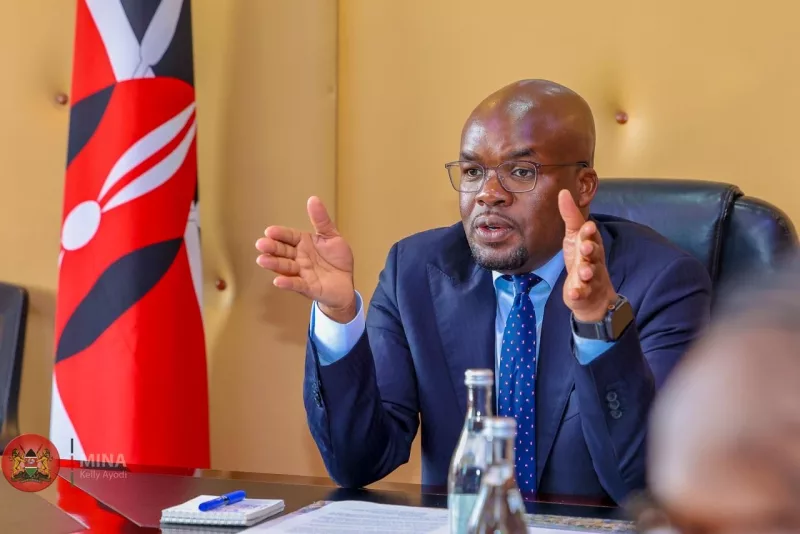
One of the most striking aspects of the current debate has been the focus on visible activity. We have seen airport visits, inspections and photographs of officials reviewing preparedness measures. There is nothing wrong with that. Citizens want reassurance that government is taking potential threats seriously.
But there is an important distinction between demonstrating activity and building confidence. A photograph at an airport may demonstrate vigilance. It does not necessarily prepare a country for fear. Citizens are asking straightforward questions. What exactly has been agreed? Why is it necessary? How will it work? What safeguards exist? How does it strengthen Kenya's preparedness?
These are not political questions. They are questions any citizen might ask when faced with a matter of public importance.
Governments should never be arrogant about those questions. Authority does not remove the responsibility to explain. In fact, the greater the significance of a decision, the greater the obligation to communicate it clearly. The strongest governments understand that explanation is not a concession. It is part of leadership.
Africa faces an additional challenge. An outbreak in one country often becomes a story about an entire continent. Investor confidence can be affected. Tourism can be affected. International perceptions can shift quickly.
An outbreak may be local. The narrative rarely is. That is why managing fear matters. Not because fear changes the science. But because fear changes behaviour. It influences what people believe, how they respond and whom they trust.
The lesson from this moment is not that governments should stop preparing for future threats. Quite the opposite. Preparation is essential. But preparedness in the twenty-first century is about more than facilities, equipment and response plans. It is also about anticipating the questions, concerns and anxieties that accompany every major crisis.
The best leaders understand that. They prepare for the outbreak. They prepare for the narrative. They prepare for the fear. Because by the time a crisis arrives, citizens are already deciding whom they trust, what they believe and whether they have confidence in those leading the response.
That work cannot begin during a crisis. It must begin before it. The lesson from Nanyuki is not about Ebola. It is about what happens when the reaction begins before the event itself. The crisis before the crisis.
Strategic communications adviser and author of 'Beyond the Ballot: Clear Communication. Effective Leadership. A Stronger Africa'. She has advised governments, institutions and businesses across Africa for more than three decades on leadership, public trust and strategic communication