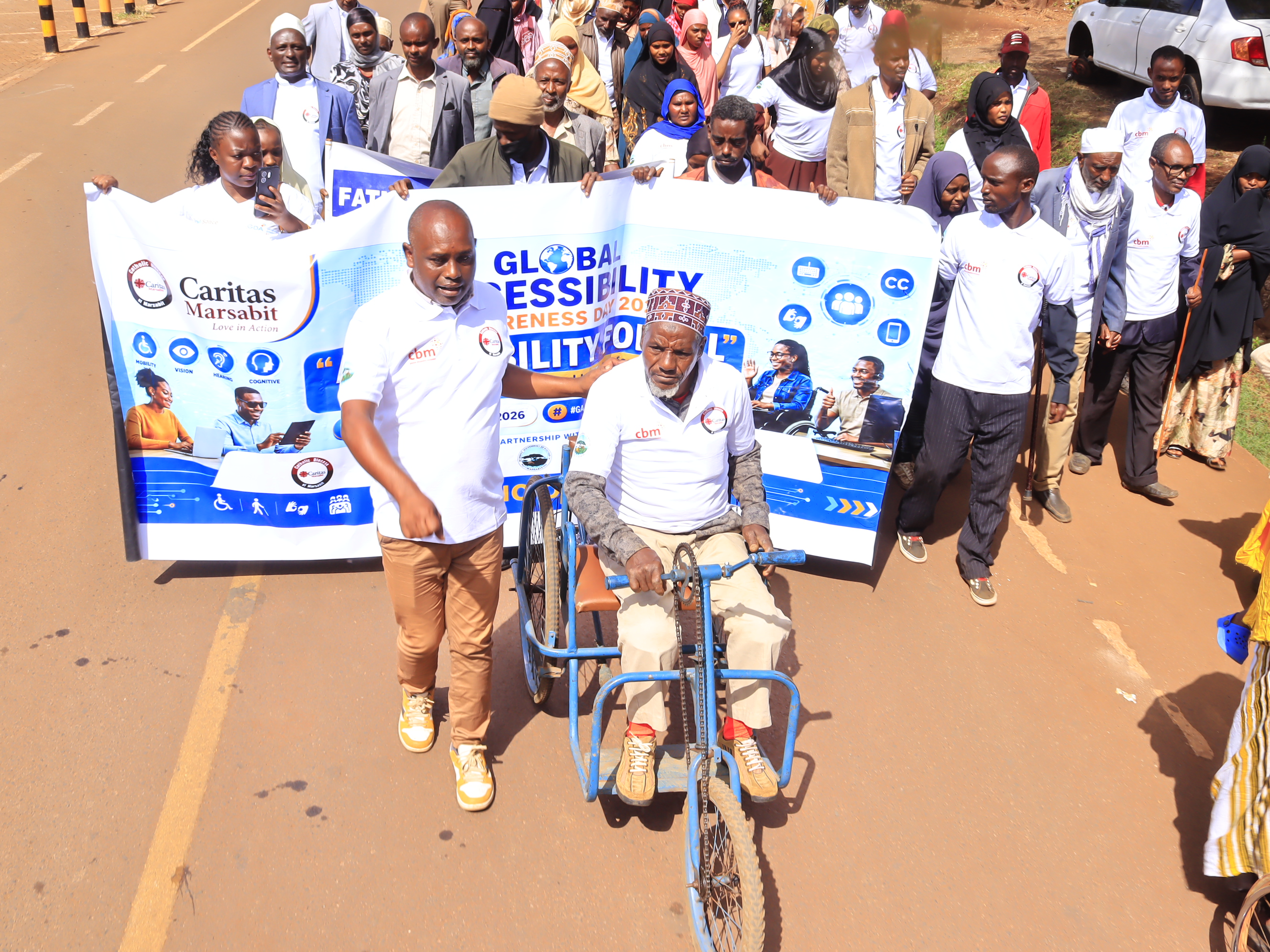
 Persons with disabilities during a procession in
Marsabit town to create awareness about the need for enhanced digital
accessibility for the PWDs./STEPHEN ASTARIKO
Persons with disabilities during a procession in
Marsabit town to create awareness about the need for enhanced digital
accessibility for the PWDs./STEPHEN ASTARIKOPersons with disabilities in Marsabit County are calling on county and national governments to prioritise disability rights in planning and budgeting.
On Wednesday, they staged a procession through Marsabit town to raise awareness on the urgent need for enhanced accessibility and inclusion.
The procession brought together disability rights advocates, civil society organisations and county representatives.
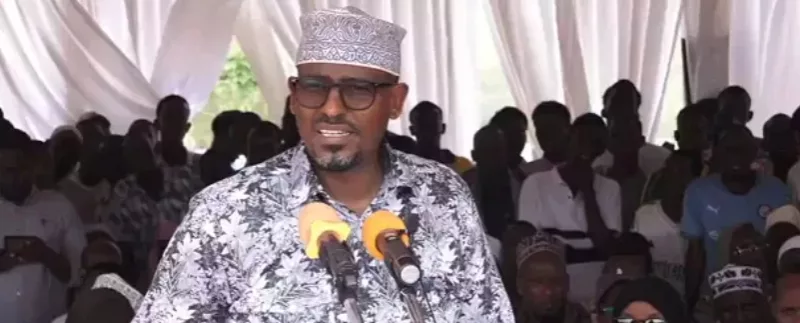
John Umuro, the Marsabit chairperson of the Persons with Disability Association, painted a grim picture of the situation in the county.
“We are all united by a common message. PWDs continue to face systemic exclusion due to inaccessible infrastructure, lack of data and inadequate funding,” he said.
Umuro disclosed that nearly every public building in Marsabit has no accessibility ramp, describing the situation as not only neglect but a deliberate exclusion.
He said the lack of accessibility traps many PWDs in their homes, denying them access to critical public services.
“Without ramps, a person using a wheelchair cannot access a hospital, a school or a courthouse. They cannot vote. They cannot report a crime. They cannot demand services they are legally entitled to receive. They stay home, and the world moves on without them,” Umuro said.
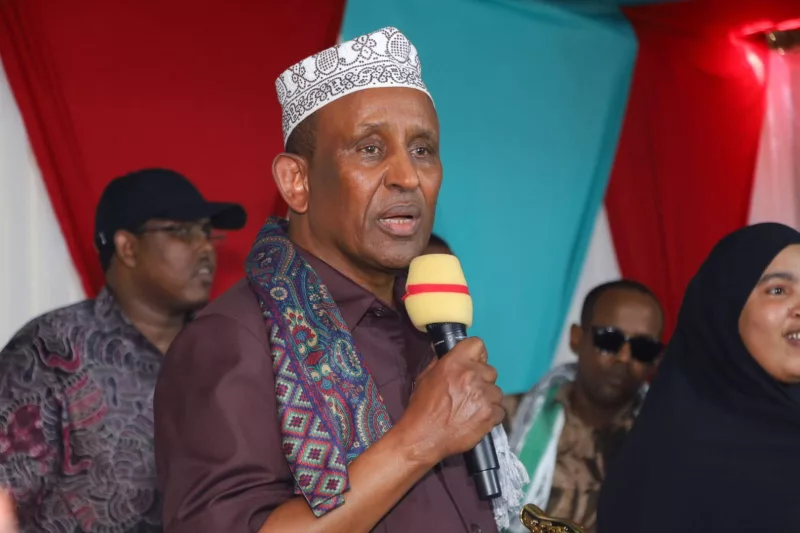
Arbe Roba, who represents persons with disabilities in the county government, said the crisis begins long before buildings are constructed.
“Infrastructure isn’t concrete. Infrastructure is freedom. Without it, our people remain invisible,” he said.
Roba said the county lacks accurate data on PWDs, making it difficult for planners to allocate adequate resources.
“The county’s own data is so scarce that officials cannot even tell you how many disabled residents need help. Without data, there is no budget. Without budget, there is no change,” he said.
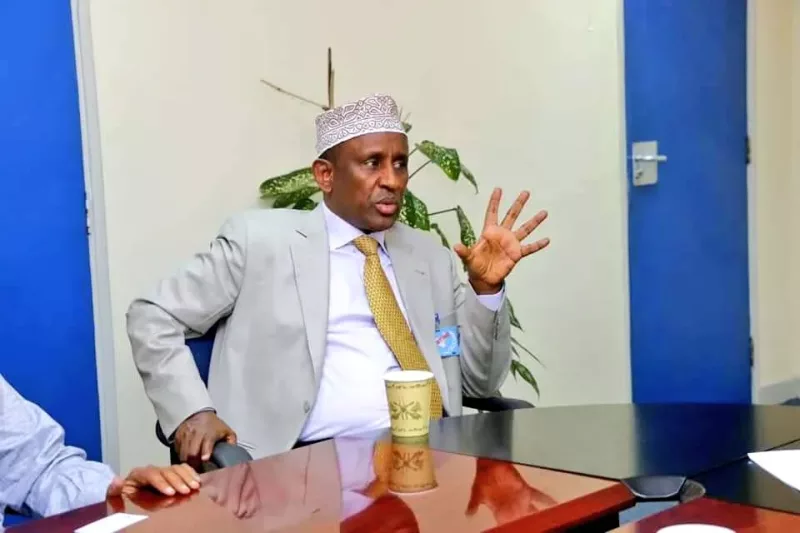
Caritas Marsabit programmes manager Peter Okello revealed that a recent accessibility audit conducted by the organisation exposed enormous gaps in public infrastructure and services.
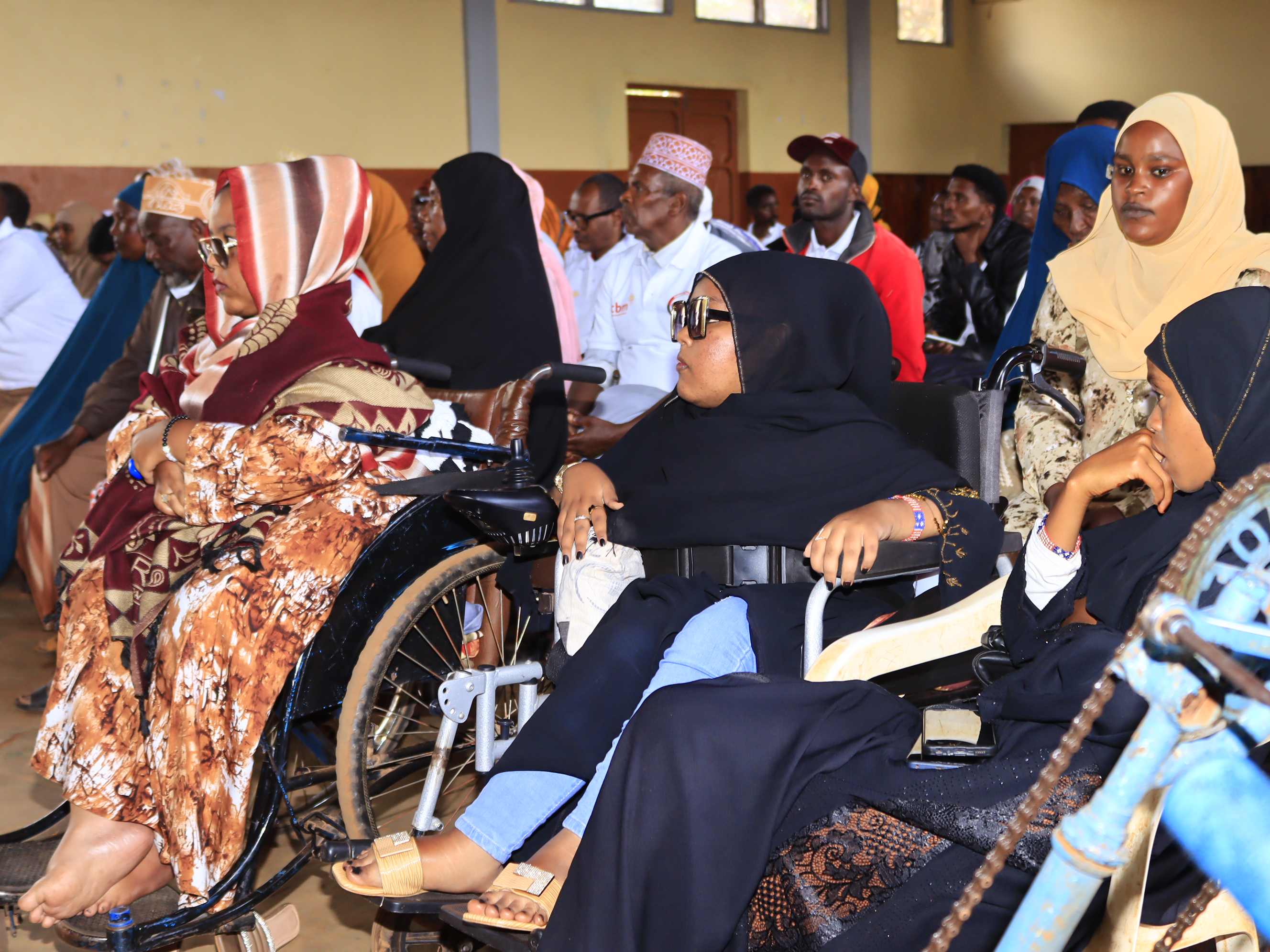 Persons with disabilities during the sensitisation meeting in Marsabit town to create awareness about the need for enhanced digital
accessibility for the PWDs./STEPHEN ASTARIKO
Persons with disabilities during the sensitisation meeting in Marsabit town to create awareness about the need for enhanced digital
accessibility for the PWDs./STEPHEN ASTARIKO“We made necessary proposals for the county government. But if disability is not in the County Integrated Development Plan, it does not exist,” Okello said.
The County Integrated Development Plan (CIDP) guides county spending and development priorities.
“Without disability explicitly written into that document, no ramp gets built. No teacher gets hired. No child gets educated. In short If there is no budget, there is no ramp, no teacher, and no future,” Okello said.
He urged the government to invest in disability education as a constitutional right rather than an act of charity.
“They are not asking for handouts. They are asking for what the law already guarantees them,” Okello said.
Salome Kimata, executive director of United Disability Empowerment in Kenya, said disability inclusion policies often fail to reflect realities in marginalised counties such as Marsabit.
She called for localised and intersectional approaches that address the unique challenges facing northern Kenya, including poverty, drought, cultural barriers and long distances to services.
Kimata also urged the national government to establish a protected disability education fund.
“We need a special education kitty for persons with disabilities. Not a fund that gets raided for other things. A protected budget. A real one,” she said.
According to Kimata, many children with physical or intellectual disabilities remain out of school due to inaccessible classrooms, lack of trained teachers, transport challenges and weak policy implementation.
However, Marsabit Referral Hospital chief executive officer Kusu Abduba said progress is being made in some institutions.
He said the hospital has already put in place measures to ensure accessibility for persons with disabilities within its facilities.
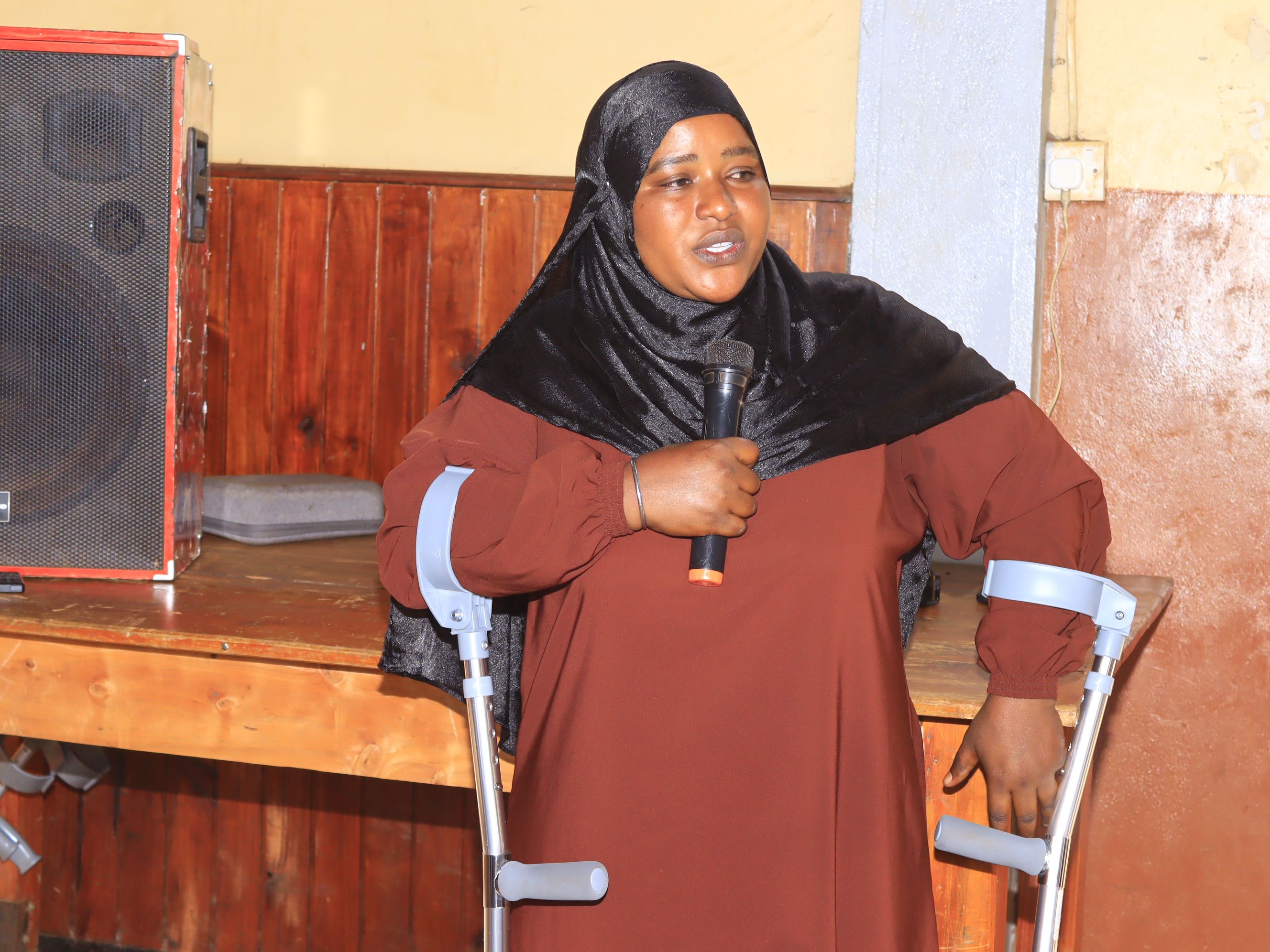
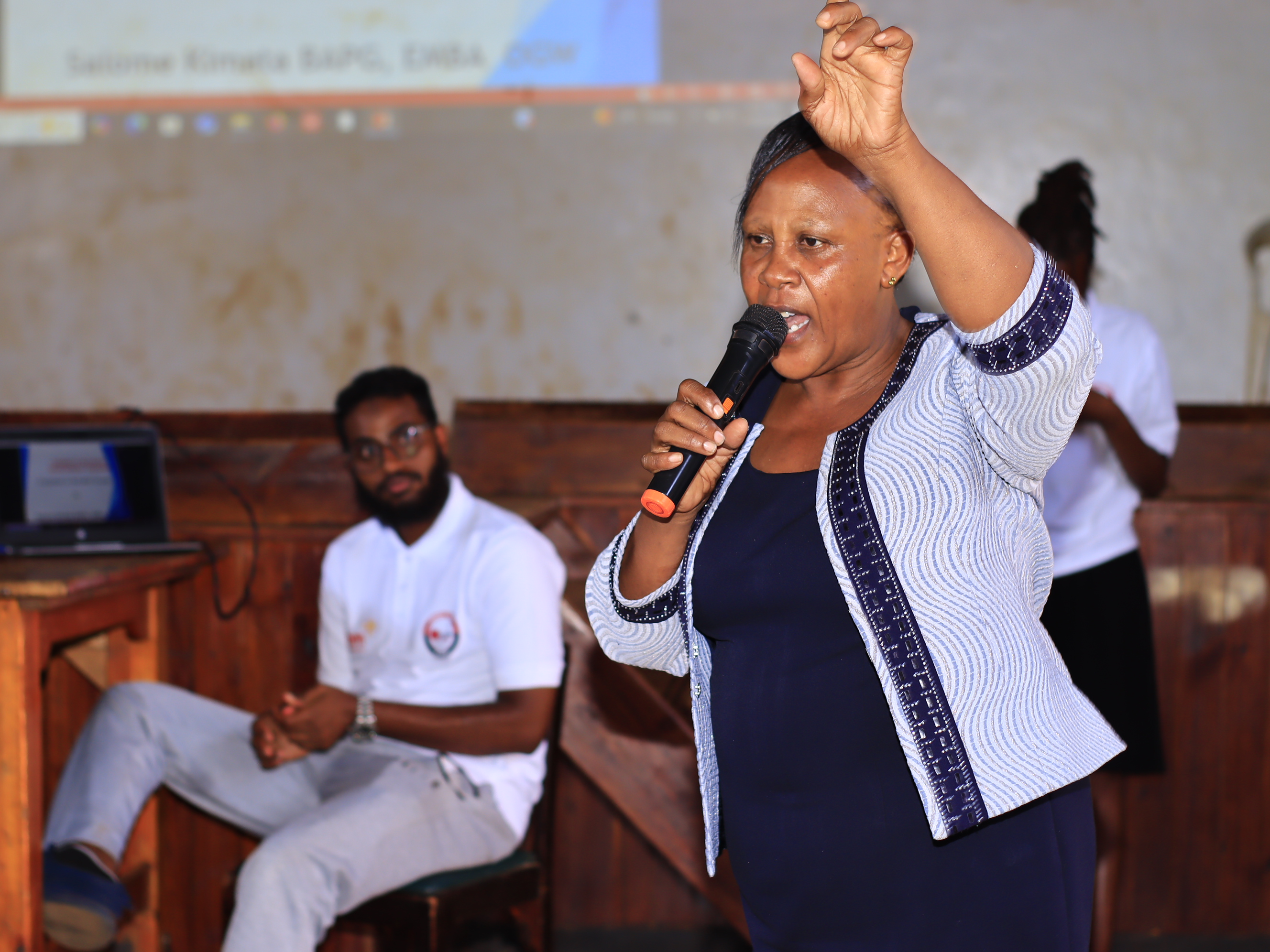 United Disability Empowerment in Kenya executive Salome
Kimata addresses PWDs from Marsabit /STEPHEN ASTARIKO
United Disability Empowerment in Kenya executive Salome
Kimata addresses PWDs from Marsabit /STEPHEN ASTARIKO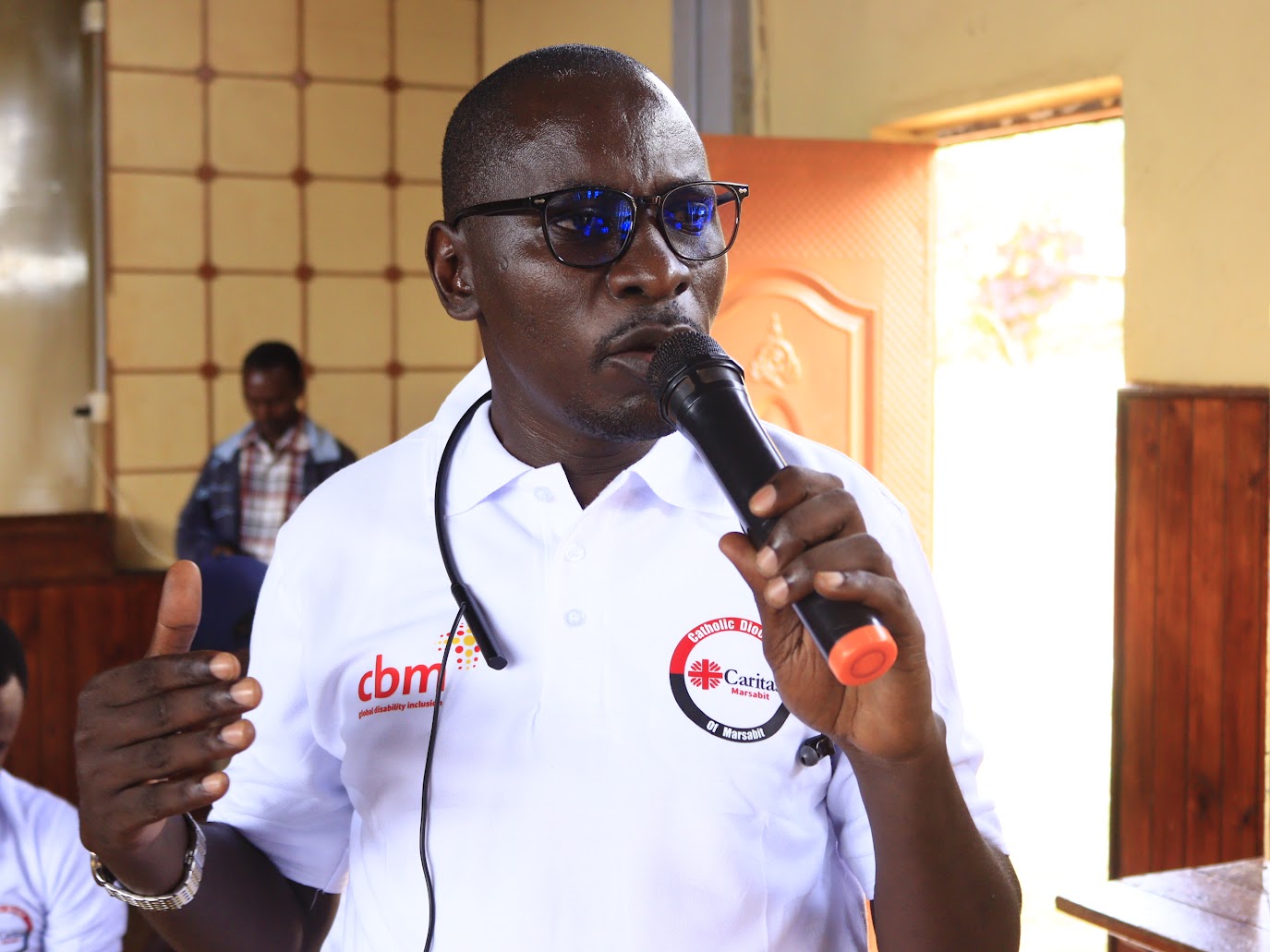
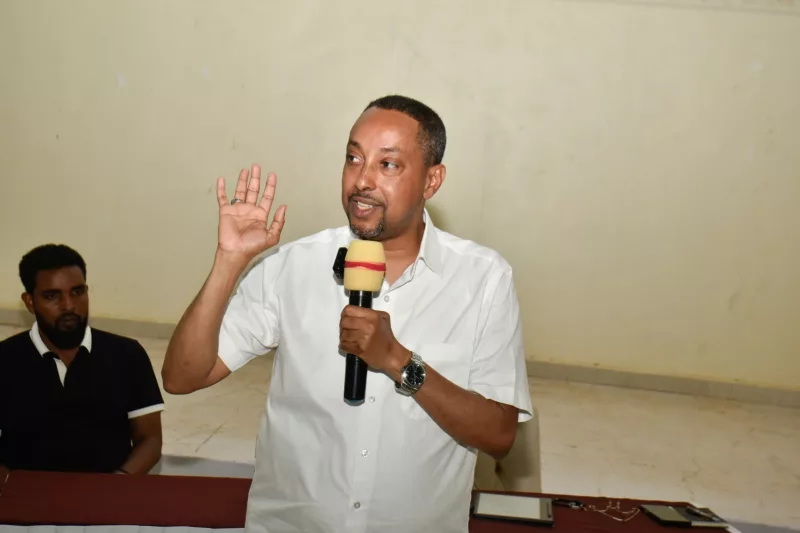
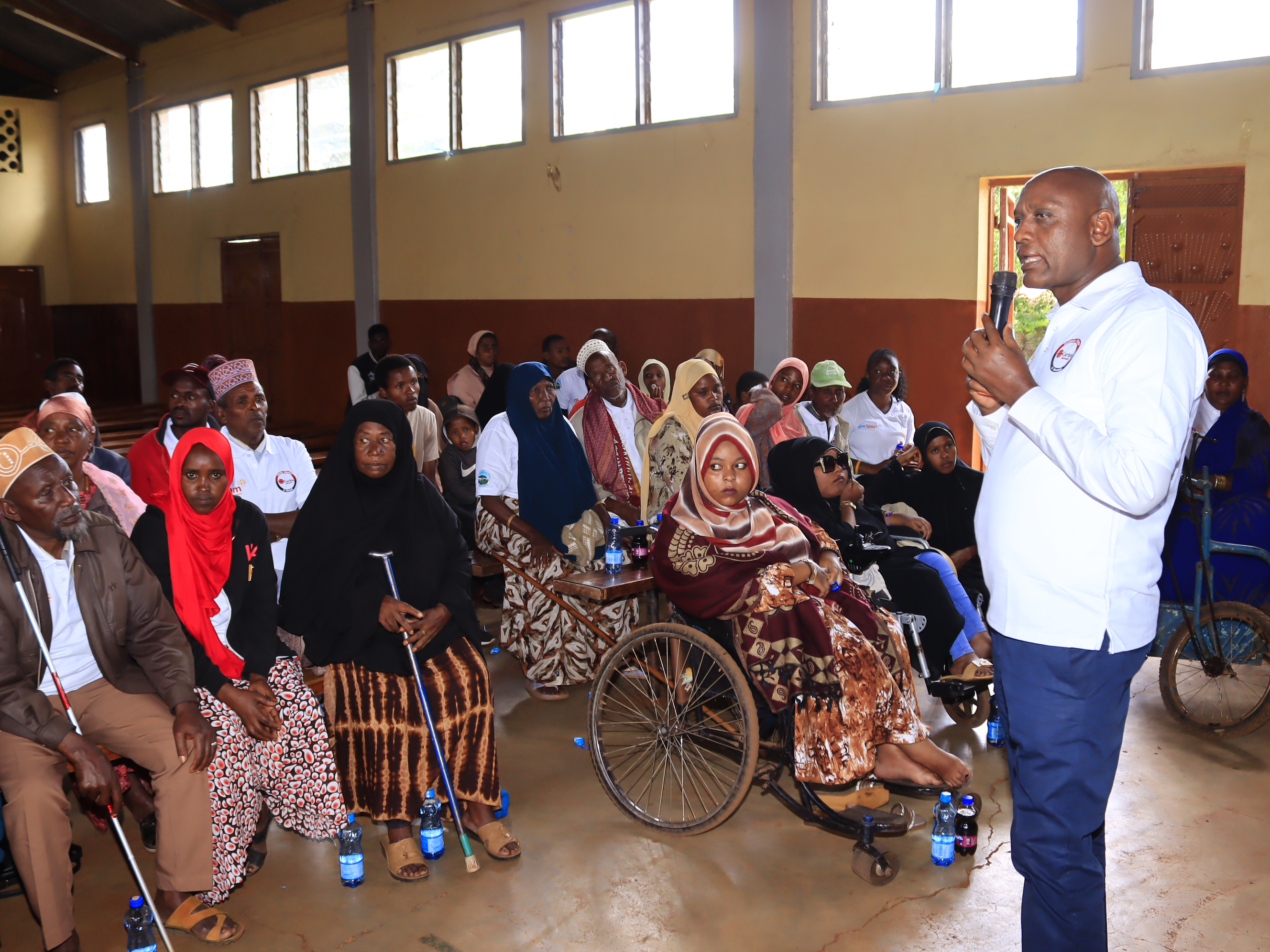 Marsabit Referral Hospital CEO Kusu Abduba addresses PWDS
from Marsabit/STEPHEN ASTARIKO
Marsabit Referral Hospital CEO Kusu Abduba addresses PWDS
from Marsabit/STEPHEN ASTARIKO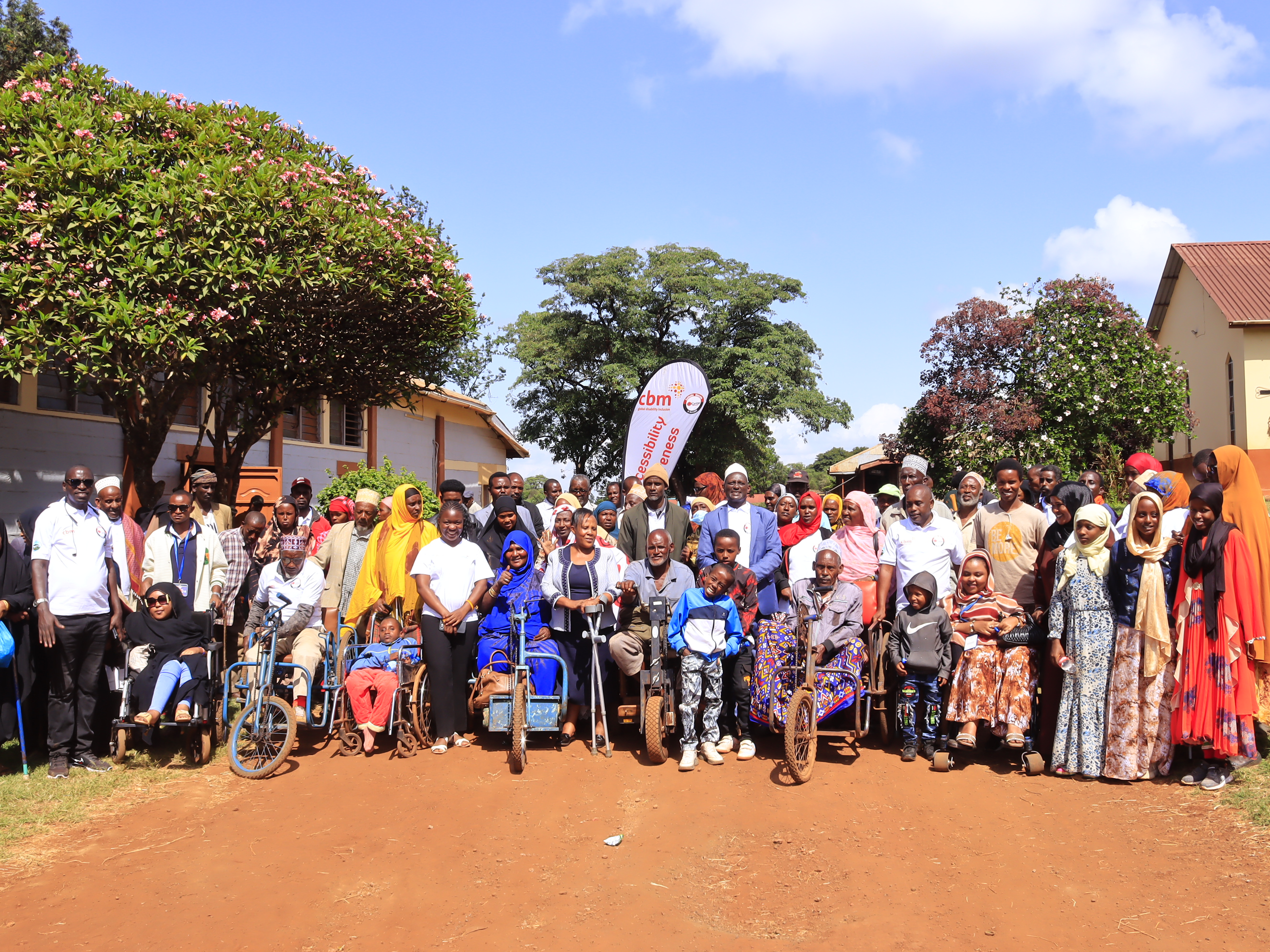 Persons with disabilities during a procession in
Marsabit town to create awareness about the need for enhanced digital
accessibility for the PWDs /STEPHEN ASTARIKO
Persons with disabilities during a procession in
Marsabit town to create awareness about the need for enhanced digital
accessibility for the PWDs /STEPHEN ASTARIKO