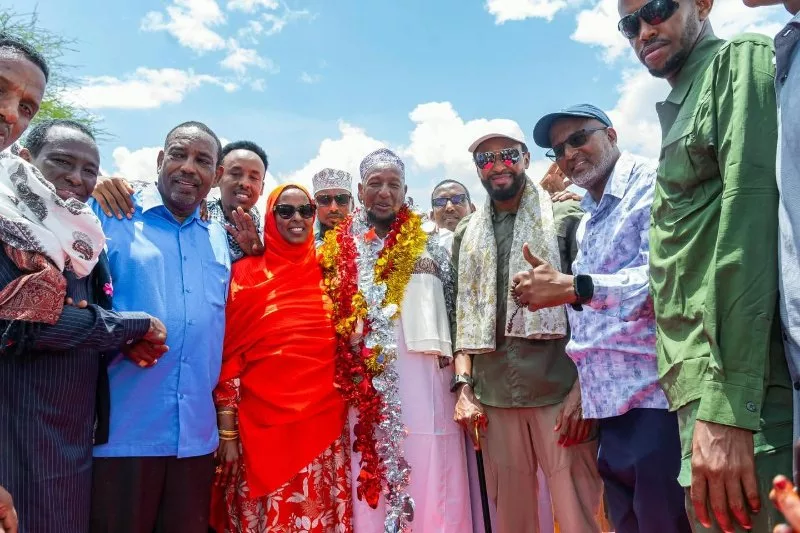
Garissa leaders allied to the Talasame political alliance have intensified grassroots mobilisation.
They are urging residents without national identity cards and voter registration cards to acquire the documents ahead of the 2027 General Election.
They said electoral victory would depend not only on political and clan alliances but also on the number of supporters who turn out to vote.
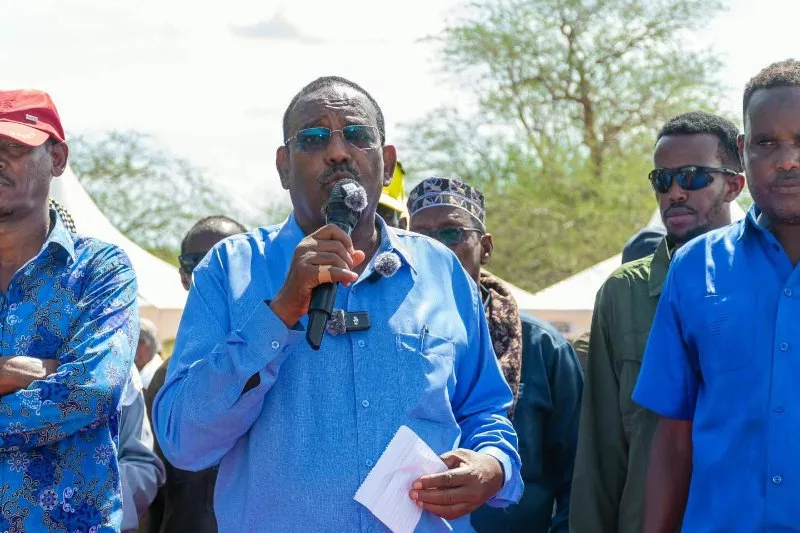
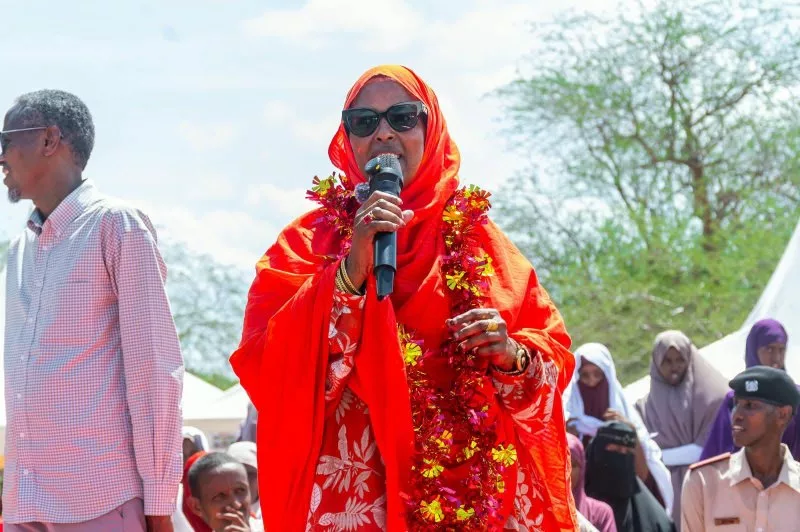
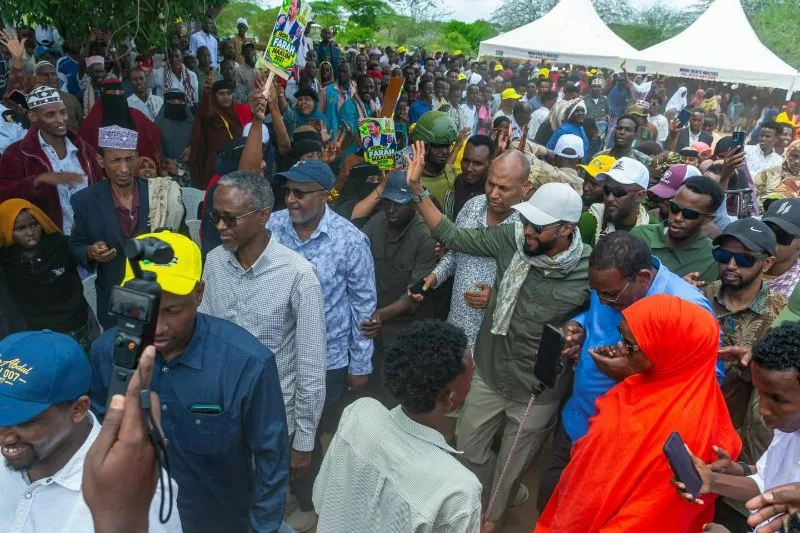
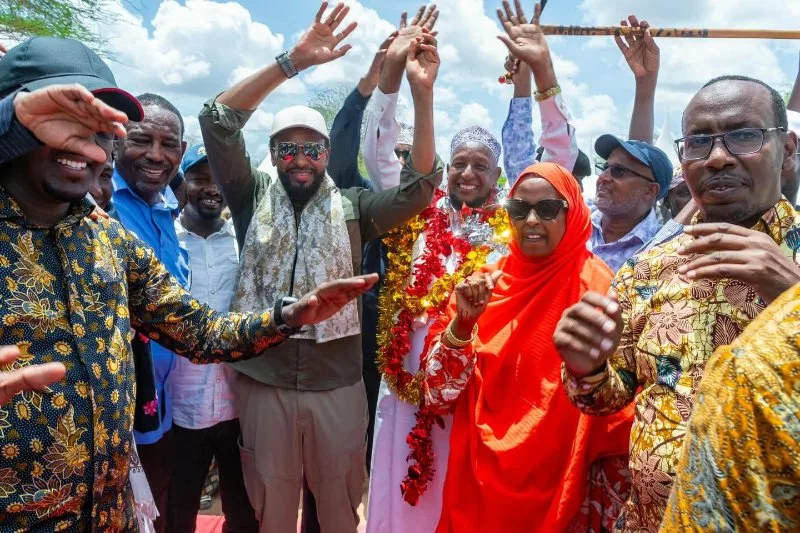
The leaders spoke in Hamey, where they engaged residents as part of efforts to popularise the Talasame alliance.
The alliance brings together members of the Auliyahan and Samawadhal communities in a political arrangement aimed at consolidating their support ahead of the 2027 elections.
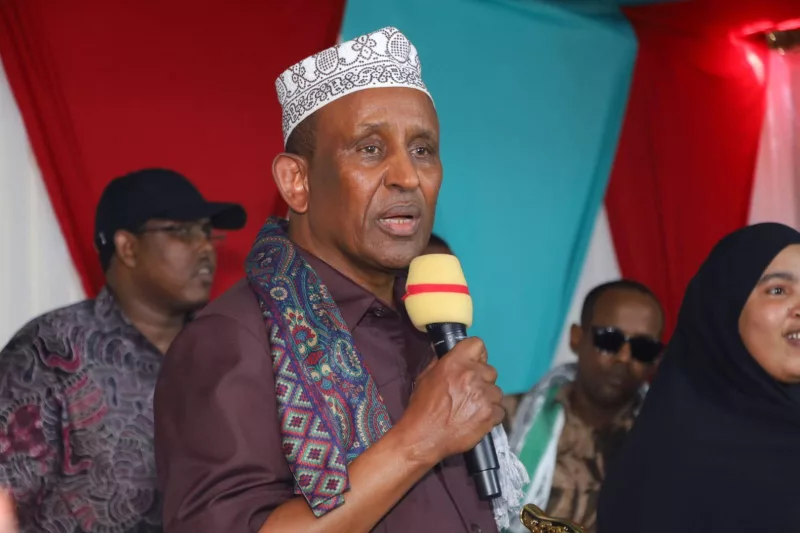
Led by Garissa Senator and governor aspirant Abdul Haji, the delegation said political coalitions and community endorsements could provide a strong foundation for electoral success.
However, these would translate into victory only if eligible residents obtained the necessary documents and participated in the electoral process.
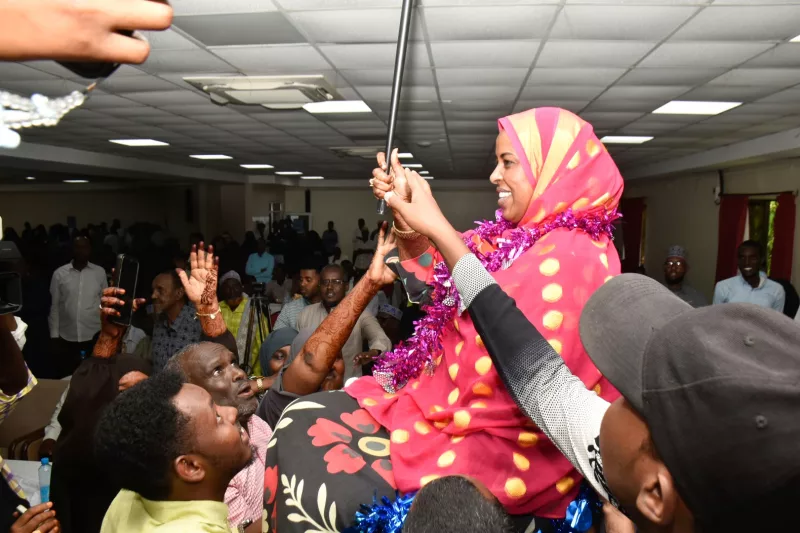
The delegation included Dadaab MP Farah Maalim, Garissa Deputy Governor Abdi Dagane and women representative aspirant Shukran Gure, who is part of the alliance alongside Haji.
Under the emerging political arrangement, the Auliyahan and Samawadhal communities are expected to rally behind Haji for the governorship and Gure for the women representative seat, respectively.
The leaders hope the arrangement will strengthen their collective political influence in Garissa county.
Garissa Governor Nathif Jama, who is contesting for the Senate seat, is also part of the lineup.
Haji emphasised that building alliances must go hand in hand with sustained grassroots engagement, where political support is translated into actual votes.
“I want to call on residents who have not acquired national identity cards to do so. The document is an important first step towards registering as a voter and participating in the democratic process,” he said.
“I also want to appeal to all eligible residents who have not registered as voters to do so. Failure to participate in the electoral process could undermine the political aspirations of our respective communities, regardless of the strength of our alliances,” Haji added.
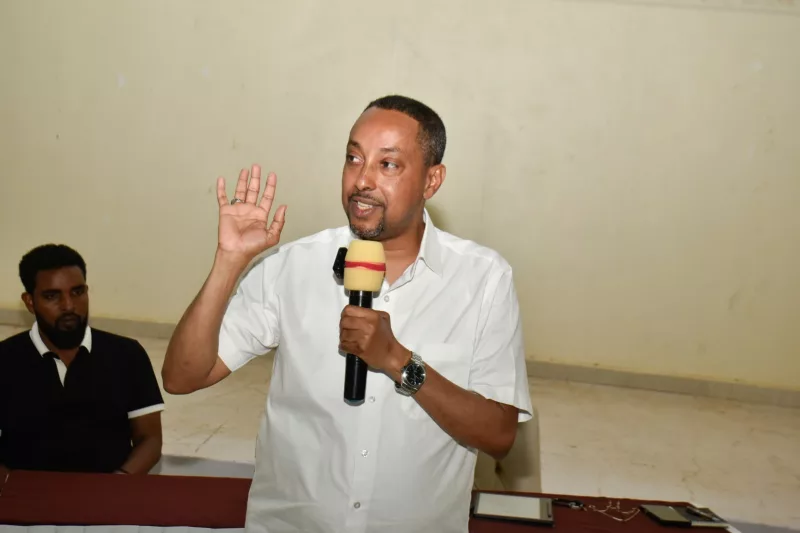
Dadaab MP Farah Maalim said the alliance’s success in the next election would largely depend on its ability to mobilise eligible voters, register them and ensure they participate in the democratic process.
“The opportunity we have been waiting for is here. Our people must take advantage of the removal of the additional vetting exercise to acquire their identity cards and register as voters. We cannot achieve our political objectives if our people do not turn up to vote,” Maalim said.
Shukran said every eligible resident had a role to play in determining the region’s political future. She added that acquiring identity cards and registering as voters should be treated as a collective responsibility rather than an individual undertaking.
The visit also provided an opportunity for the leaders to witness the installation of Mohamed Dagane Yussuf as the new assistant chief for Hamey sublocation.
The ceremony highlighted the importance of grassroots administration in linking residents to government services.
Haji welcomed the installation, saying the presence of government administrators at the grassroots was essential for effective service delivery, greater public participation and ensuring that the government remained connected and accountable to the people.
He said chiefs and assistant chiefs played a critical role in bringing government services closer to residents, facilitating communication between communities and state agencies, and supporting peace, security and local development.
“We remain committed to collaborating with all levels of government to strengthen service delivery, promote peace and security, and ensure that communities such as Hamey receive the attention and services they deserve,” Haji said.
He added that effective grassroots administration was crucial to addressing local concerns, improving coordination between government agencies and residents, and ensuring communities were not left behind in development initiatives.
Haji outlined some of the key areas he intends to prioritise if elected, pledging to improve access to water, strengthen healthcare services, invest in early childhood education and ensure the professional management of county affairs.