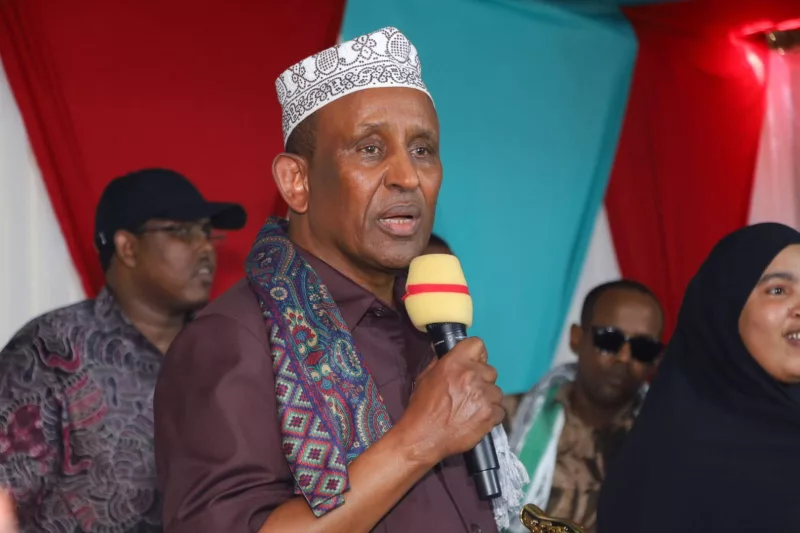
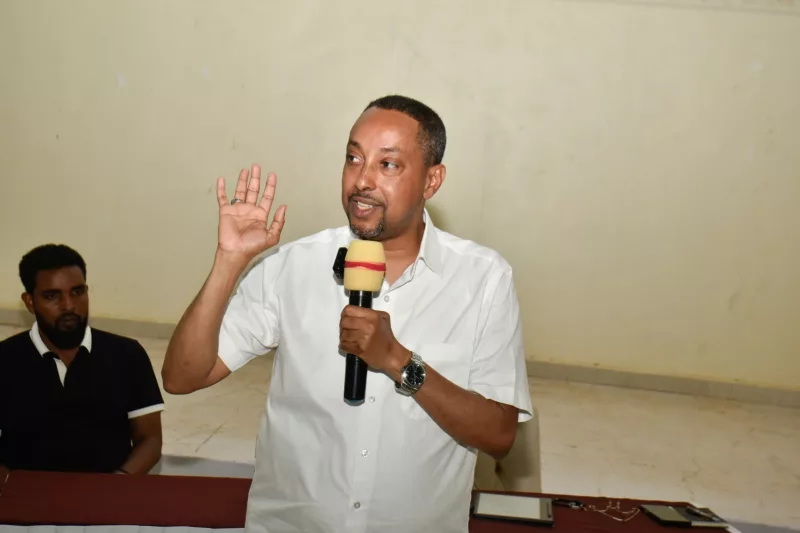
 Education stakeholders, representatives from special
schools, parents, human rights activists and defenders of children with special
needs in Tana River in Garissa town/STEPHEN ASTARIKO
Education stakeholders, representatives from special
schools, parents, human rights activists and defenders of children with special
needs in Tana River in Garissa town/STEPHEN ASTARIKO
Education stakeholders, representatives from special schools, parents, human rights activists and defenders of children with special needs in Tana River have raised concern over the current budgetary allocation to special schools, terming it insufficient to meet the growing needs of learners living with disabilities.
The stakeholders, who spoke during a forum that was held at a Garissa hotel, expressed concern that special needs institutions continue to face numerous challenges due to inadequate funding.
Among the key issues raised were shortage of teachers, lack of special learning materials, poor learning environments and inadequate boarding facilities for learners who stay in school dormitories.
Millicent Ondiek, a parent with a child with special needs, said the time had come for the government to accord special schools the attention they deserve through allocation of adequate funds to support their daily operations.
“It is extremely concerning and worrying that the government has not given special needs education the seriousness it deserves, despite the fact that these learners face far more challenges compared to their counterparts,” she said.
Ondiek noted that many learners with disabilities require constant assistance in order to learn effectively.
“You will find situations where some learners do not even have hands or legs and need people to support them; people who literally do everything for them. Unfortunately, the government is not recruiting such support staff, something that has made learning for people with special needs extremely difficult,” she added.
Wanjiru Mbugua, a human rights activist and defender of children with special needs, urged the government to set aside a substantive amount of money in the national budget to support special schools, saying most institutions are struggling to operate.
“The government needs to allocate more resources that will go a long way in supporting these institutions because, honestly, the majority of them are struggling,” she said.
Mbugua emphasised that addressing the needs of children with disabilities should be approached holistically.
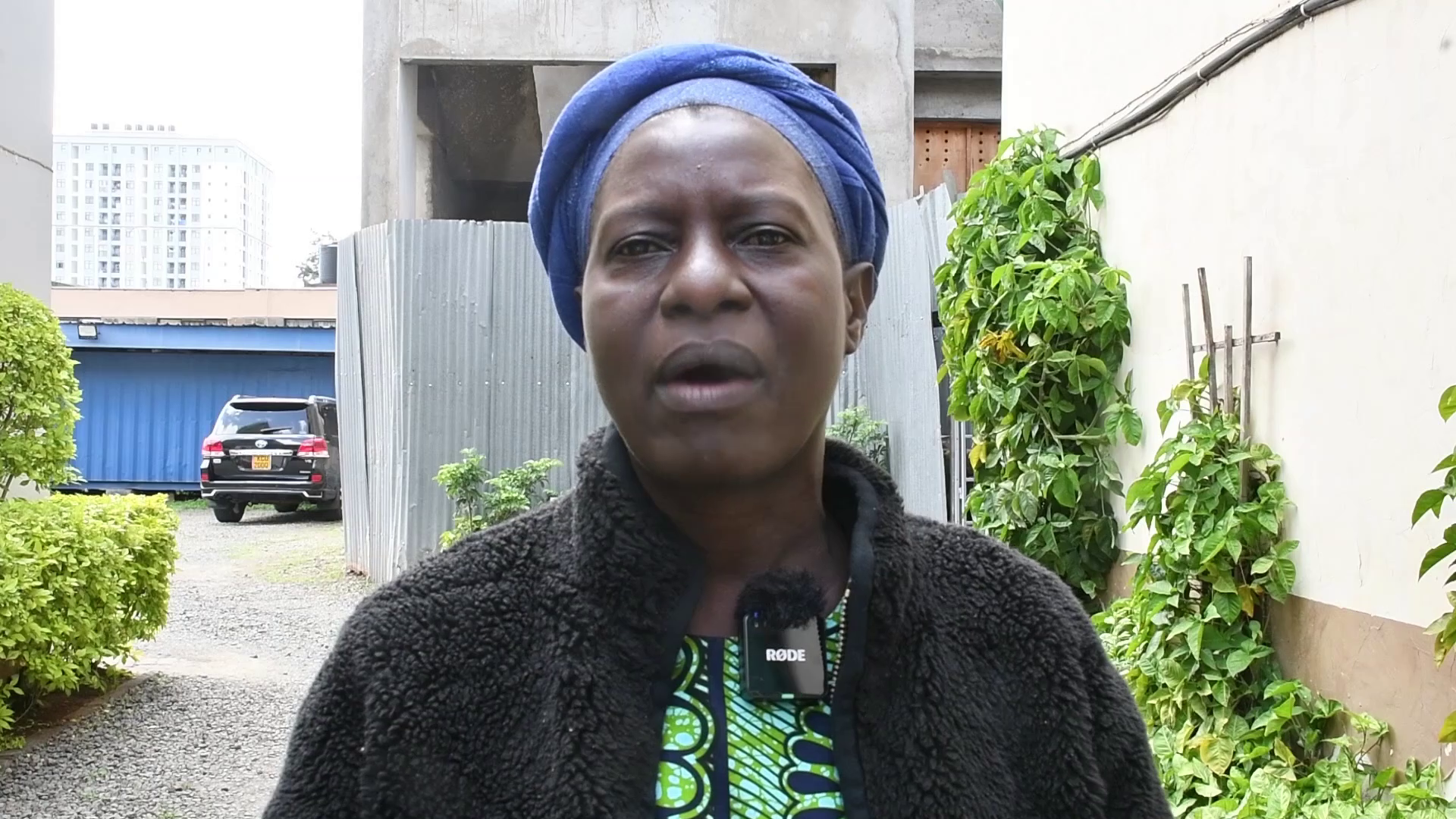 Millicent Ondiek, a parent with a child living with
special needs /STEPHEN ASTARIKO
Millicent Ondiek, a parent with a child living with
special needs /STEPHEN ASTARIKO“When we talk about taking care of children with special needs, we must look at it holistically — from their classrooms and sports amenities to their dormitories for those in boarding schools,” she said.
“You find situations where their classrooms are in extremely dilapidated conditions. Their washrooms are the same. In some instances, their dormitories and sleeping areas leave a lot to be desired.”
She added that children with special needs are just like any other children and deserve equal opportunities to succeed in life.
“These are children like any other and they also have ambitions and dreams of succeeding in life. In fact, many of them are very bright and all they need is support from relevant stakeholders, especially the government, to help them achieve their dreams,” she said.
Rashid James, another human rights activist and defender of children with special needs, questioned why budgetary allocation to special schools continues to decline instead of being increased despite the numerous challenges facing the institutions.
“It is regrettable that the government keeps reducing the budgetary allocation for institutions that cater for children with special needs when it should be doing the opposite. We are all aware of the challenges they face and the support they require, which in most cases boils down to funding,” he said.
The stakeholders warned that inadequate funding has significantly contributed to the increasing number of children with special needs dropping out of school. They cautioned that unless urgent measures are taken to address the situation, the gap in access to education for learners with disabilities will continue to widen.
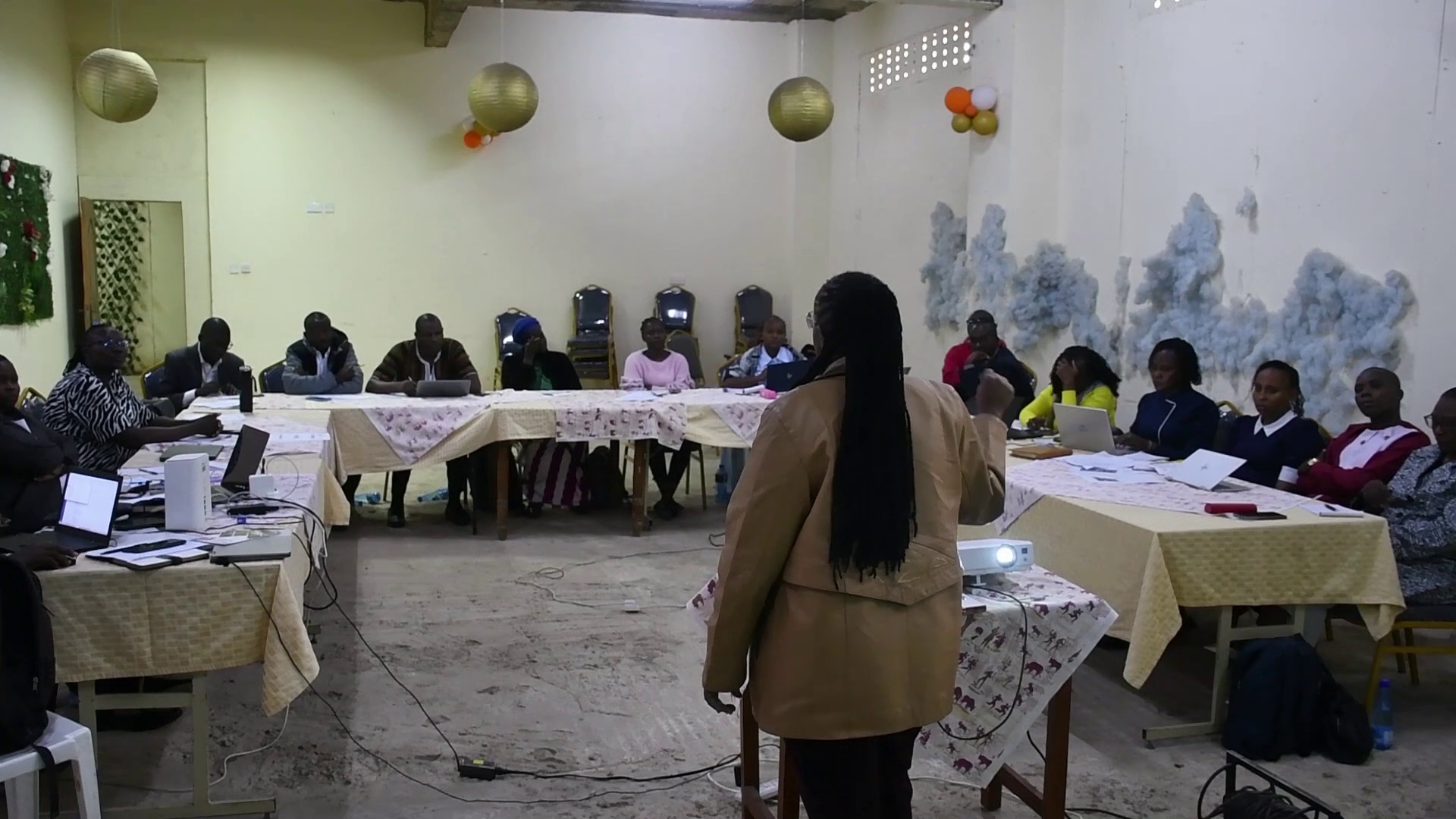
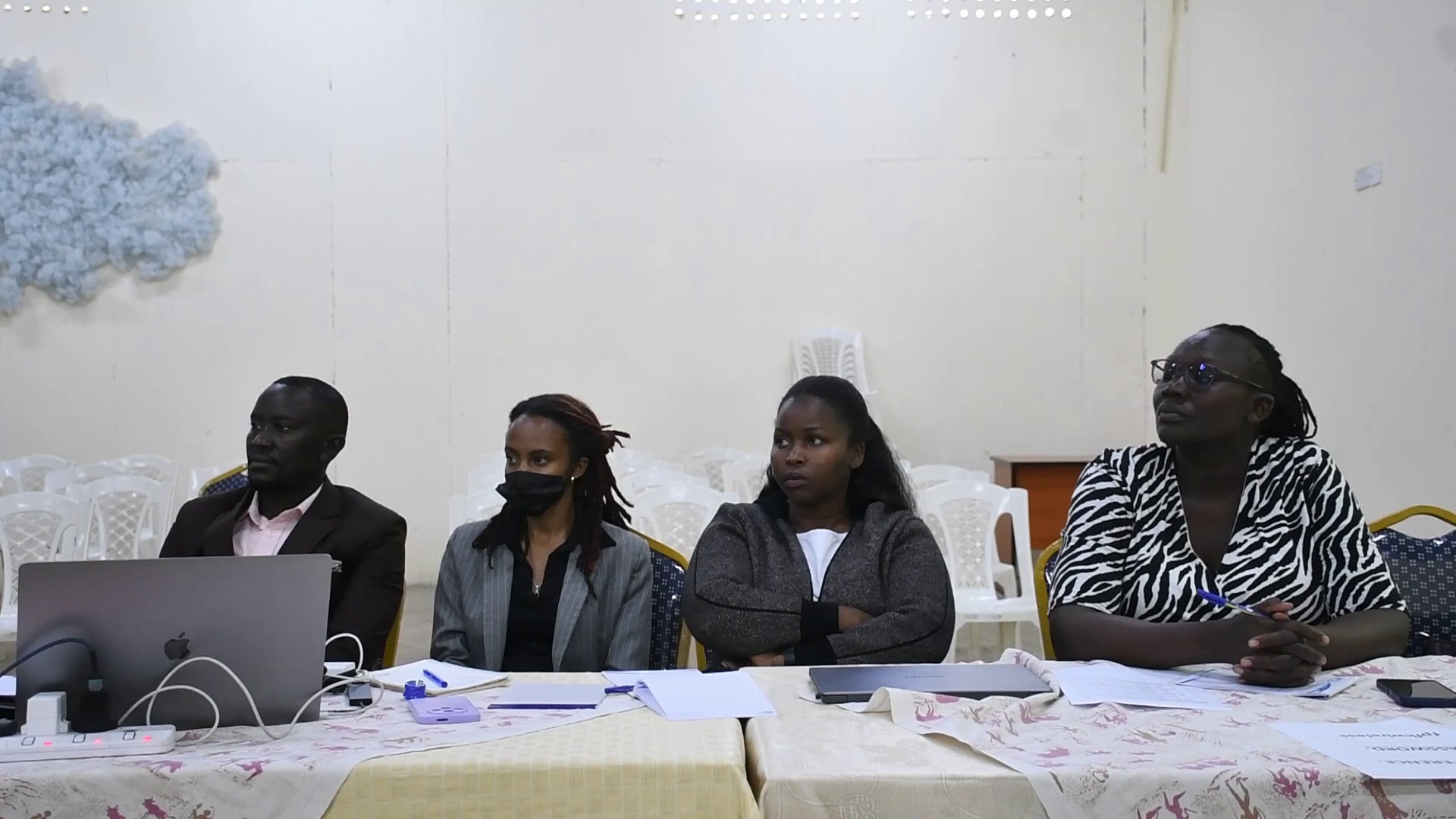 Education stakeholders, representatives from special
schools, parents, human rights activists and defenders of children with special
needs in Tana River at the forum in Garissa /STEPHEN ASTARIKO
Education stakeholders, representatives from special
schools, parents, human rights activists and defenders of children with special
needs in Tana River at the forum in Garissa /STEPHEN ASTARIKO
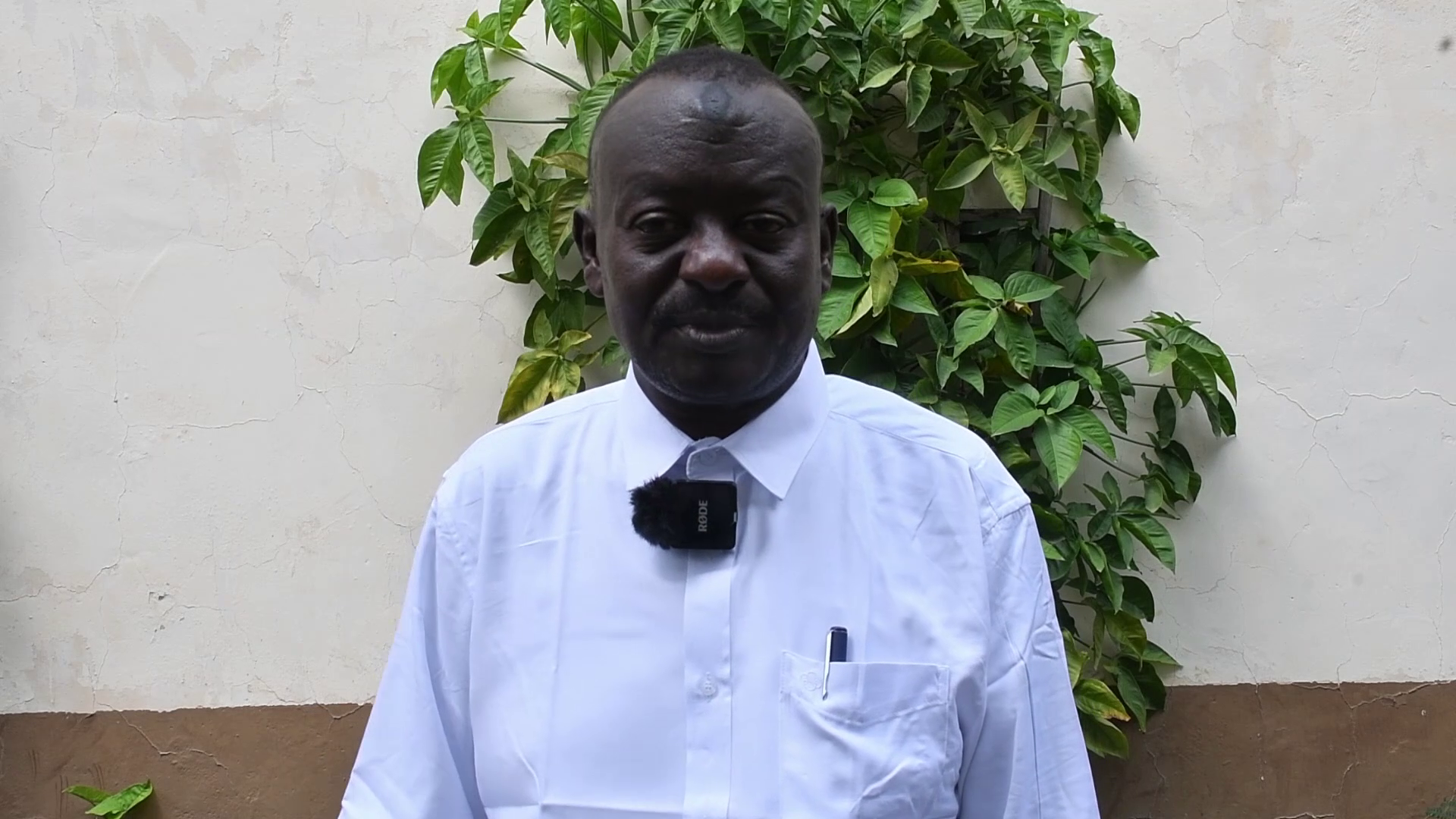 Rashid James, a human rights activist /STEPHEN ASTARIKO
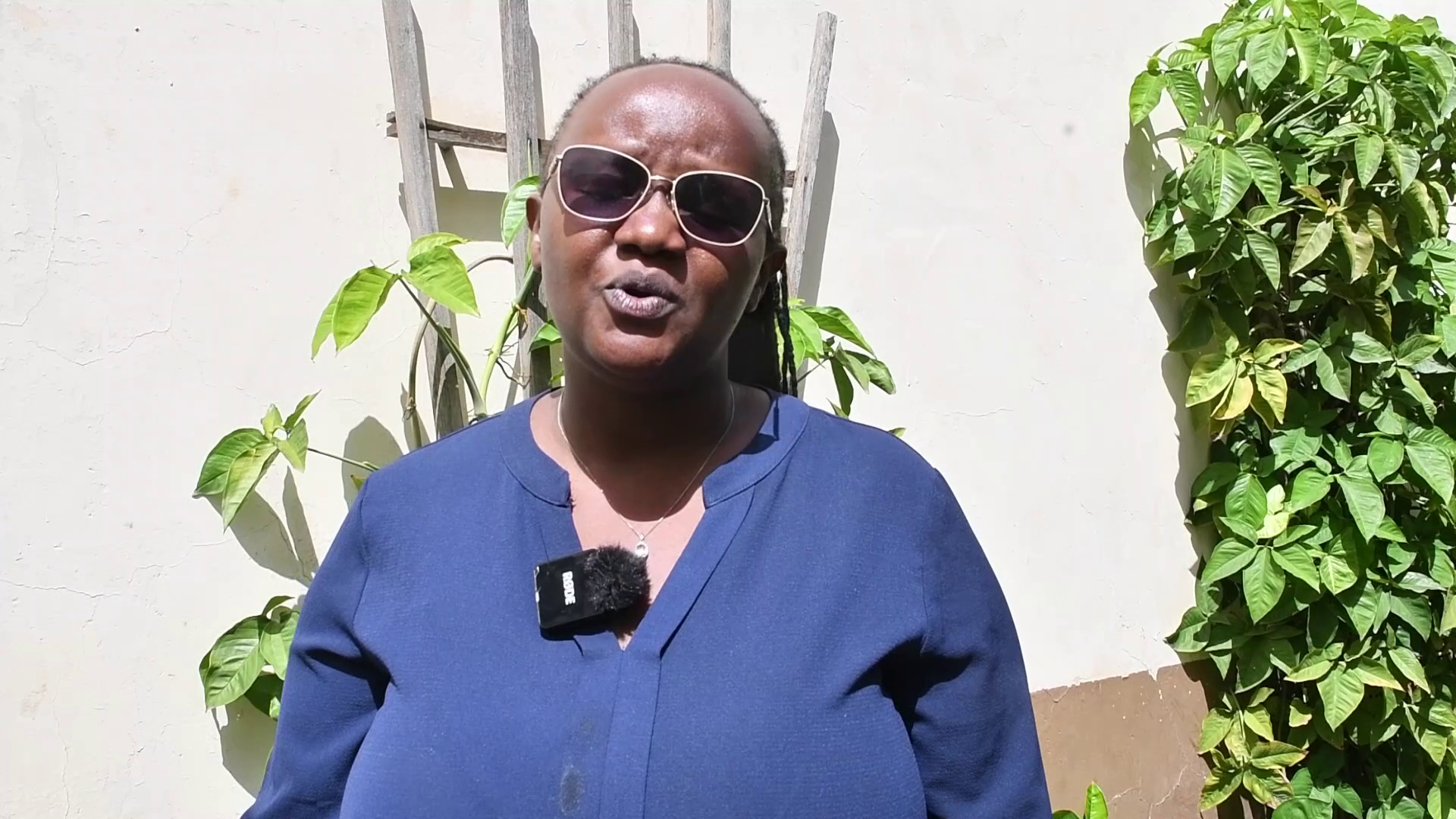 Wanjiru Mbugua, a human rights activist and defender of
children with special needs /STEPHEN ASTARIKO
Wanjiru Mbugua, a human rights activist and defender of
children with special needs /STEPHEN ASTARIKO