I have studied political failure in Kenya for years. I have watched weak institutions, ethnic mobilisation and political incitement push societies toward collapse. But I never imagined that a democracy would reach a point where a woman could allegedly be burned because of a tattoo supporting a political leader.
Until May 2026.
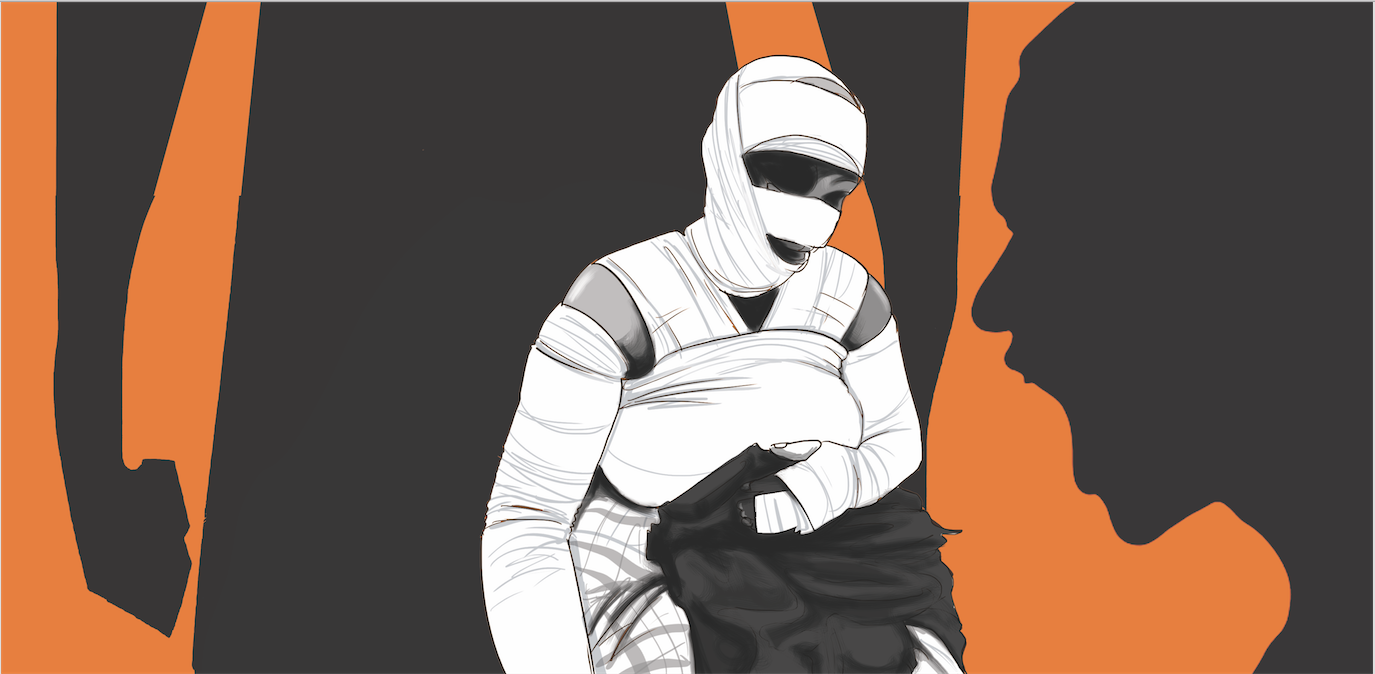
Rachel Wandeto was a gospel singer, a mother and a Kenyan citizen with the constitutional right to support any political leader of her choice. Yet on May 16, along Obama Road in Mwiki, three masked men allegedly doused her with a corrosive substance and set her ablaze. Her “crime” was carrying a tattoo of President William Ruto on her chest, a public expression of political loyalty. She died two days later at Kenyatta National Hospital with burns covering much of her body.
That should horrify every Kenyan, regardless of political affiliation.
This is no longer about the government or the opposition. It is about a culture of intolerance poisoning the country. Kenya is drifting into a space where political identity is increasingly fused with tribal identity, and tribal identity is increasingly treated as a licence for hatred, exclusion and violence.
The signs are everywhere.
Earlier this year, a boda boda rider in Mbale, Vihiga county, was lynched during a political rally. In Njoro, another man was allegedly assaulted for raising a political salute associated with a rival political camp. Across the divide, political leaders are increasingly using language that dehumanises opponents, fuels ethnic suspicion and frames dissent as betrayal.
Former Deputy President Rigathi Gachagua has faced criticism over remarks linking criminality and money laundering to sections of Eastleigh, comments many interpreted as ethnic profiling. He has also framed some government policies as “economic warfare” against parts of the country and referred to certain leaders as “traitors” to their communities.
UDA secretary general Hassan Omar sparked outrage over remarks allegedly targeting leaders from Central Kenya during a political address. To his credit, he later apologised, a rare act of accountability in Kenyan politics. But apologies alone will not save the country.
What we are witnessing is the normalisation of hate speech and incitement through slogans, online propaganda and hostility. Kenya’s political class increasingly embraces the language of division because anger mobilises emotions faster than ideas, policy or vision ever will.
The tragedy is that citizens pay the price.
Kenya already possesses legal frameworks to address hate speech and political incitement. The National Cohesion and Integration Act criminalises ethnic contempt, inflammatory speech and incitement. The Penal Code equally criminalises incitement to violence. Yet despite repeated political flare-ups, prosecutions remain rare and convictions almost nonexistent. Laws without enforcement become public relations documents.
The NCIC has recently attempted to project firmness by issuing warnings to politicians and organising peace campaigns. Meanwhile, the Ministry of Interior has intensified its campaign against political violence and organised goonism. Interior Cabinet Secretary Kipchumba Murkomen and Principal Secretary Raymond Omollo have repeatedly warned politicians against hiring gangs to intimidate opponents and disrupt meetings.
The government has also rolled out Jukwaa la Usalama forums across counties to allow citizens to engage security officials on insecurity and political violence. Investments in surveillance systems, body cameras and command centres are intended to strengthen accountability and security responses.
These interventions matter. But state enforcement alone will not solve this crisis.
Political intolerance survives because citizens reward it. We cheer inflammatory speeches when they target rivals. We defend incitement when it comes from “our side”. We circulate dangerous propaganda through WhatsApp groups and then pretend to be shocked when violence erupts. That hypocrisy is part of the problem.
As the country inches toward the 2027 election, Kenya faces a defining choice. We can continue down the path of ethnic hostility and political vengeance, or deliberately reject the politics of hate before it consumes us completely.
Rachel Wandeto can no longer speak for herself. But Kenya still can.
Strategic adviser and expert in leadership and governance