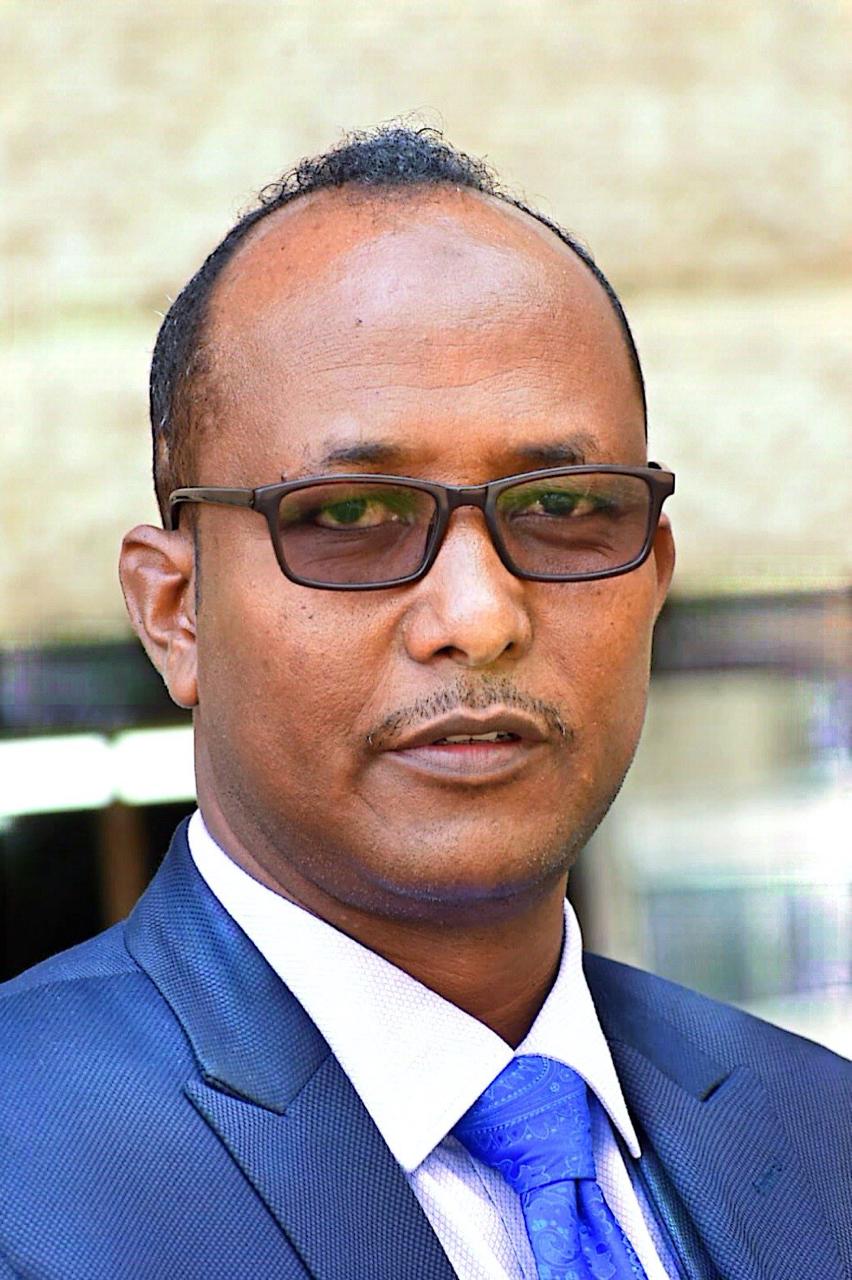
 Dr. Harun Issack Hassan, PhD Professor of Psychology, Governance and Leadership Expert./HANDOUT
The recent security lapses involving President William Ruto during public engagements in Migori, Wajir, and Kilifi have raised serious national concern regarding the preparedness, professionalism, and responsiveness of Kenya’s presidential security apparatus.
The Presidency is not merely an office occupied by an individual; it is a constitutional institution and a symbol of national unity, sovereignty, and continuity of the state. Any breach or compromise of presidential security is therefore not a personal matter, but a direct threat to national stability, governance, and public confidence in state institutions.
The growing public concern is informed by several alarming incidents witnessed in different parts of the country. In Migori County on May 4, 2025, a shoe was hurled toward President William Ruto during a public rally in Kuria West, exposing dangerous gaps in crowd control and threat detection mechanisms.
In Wajir County on February 12, 2026, an unidentified individual reportedly breached the presidential security perimeter during a public event, raising serious concerns about intelligence coordination and operational preparedness.
Most recently, on May 24, 2026, in Ganze, Kilifi County, a civilian stormed the presidential podium during a thanksgiving function, causing panic and renewing national debate on the effectiveness of Kenya’s VVIP protection systems.
These repeated incidents point to an emerging pattern of vulnerability that cannot be ignored or normalised.
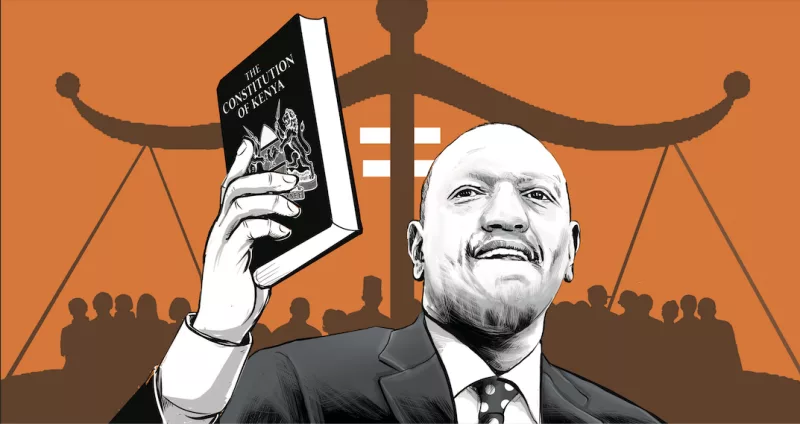
Article 131(1)(e) of the Constitution of Kenya clearly states that the President is “a symbol of national unity.” The same Article further establishes the President as the Head of State and Government, Commander-in-Chief of the Kenya Defence Forces, and Chairperson of the National Security Council. Consequently, the safety and protection of the President is inseparable from the protection of the Republic itself.
Kenya’s Constitution under Article 238 defines national security as the protection against internal and external threats to the country’s territorial integrity, sovereignty, people, rights, peace, stability, and prosperity. Article 239 further establishes the National Police Service, Kenya Defence Forces, and National Intelligence Service as the organs responsible for guaranteeing national security. These institutions are constitutionally mandated to act professionally, impartially, and effectively in safeguarding state leadership and national interests.
The repeated incidents where unauthorized or unidentified individuals have gained dangerous proximity to the President during public events should not be dismissed as isolated mistakes or routine operational failures. Such occurrences expose critical weaknesses in intelligence coordination, crowd management, risk assessment, advance planning, tactical execution, and command responsibility among officers entrusted with VVIP protection responsibilities.
At a time when the country is experiencing heightened political tension ahead of the 2027 General Election, and amid growing concerns relating to terrorism, radicalization, organized crime, and politically motivated violence, any compromise of presidential security should be treated with the seriousness it deserves. Kenya has previously faced major security threats from terrorist organizations and extremist networks. Therefore, any lapse in presidential protection creates vulnerabilities that hostile actors could exploit with catastrophic consequences.
The transfer of officers alone cannot be considered an adequate response to these security failures. Administrative reshuffles without accountability often create the impression that negligence carries no meaningful consequences. Professional standards in presidential security require more than symbolic action; they demand institutional accountability, independent review mechanisms, and corrective reforms. The public must be assured that investigations into such incidents are thorough, transparent, and aimed at strengthening national security systems rather than merely managing public relations.
There is a pressing need for the government to undertake a comprehensive review of Kenya’s presidential security protocols. This should include enhanced intelligence coordination, modern crowd-control systems, improved surveillance technologies, rigorous threat assessment procedures, and continuous specialized training for officers assigned to VVIP protection units.
Presidential security officers must undergo advanced tactical preparedness programs consistent with international standards for executive protection. There should also be periodic simulation exercises to test emergency response capacity during public engagements and high-risk political events.
Equally important is the need to strengthen discipline and responsibility within the security command structure. Officers whose negligence directly contributes to security breaches should face professional and legal consequences in accordance with the law and established service regulations. Accountability promotes vigilance, professionalism, and public trust in the security sector. Failure to enforce responsibility risks encouraging complacency within critical national security institutions.
The incidents witnessed in Migori, Wajir, and Kilifi should therefore serve as a wake-up call to Kenya’s security establishment. The country cannot afford complacency when it comes to the safety of the Head of State. Nations around the world invest heavily in presidential security because the office symbolizes constitutional order, political stability, and national continuity. Any successful attack or serious breach involving the President would not only endanger lives but could also trigger constitutional uncertainty, economic instability, and national panic.
Kenya must rise above routine reactions and embrace long-term institutional reforms aimed at strengthening presidential protection while safeguarding democratic freedoms and public engagement. Effective security does not mean isolating leaders from citizens; rather, it means ensuring that public interaction occurs within secure, professional, and carefully managed environments. Security preparedness must evolve alongside emerging threats and changing political realities.
Ultimately, the protection of the President is the protection of the nation itself. Security agencies must therefore rethink, reorganise, and reinforce their operational preparedness before a preventable lapse escalates into a national crisis.
The Constitution demands vigilance, professionalism, accountability, and patriotism from all organs charged with safeguarding the Republic. Kenya’s security institutions must act decisively now before the country learns the cost of complacency through tragedy.
The writer is a PhD Professor of Psychology, Governance and Leadership Expert