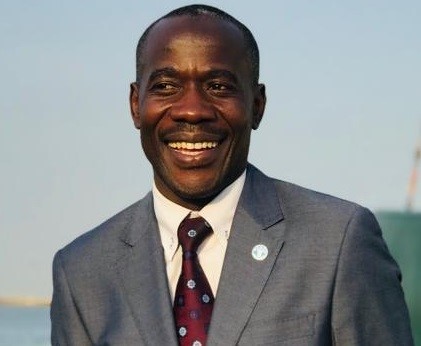
 Dr Meshack Malo, FAO Deputy Regional Representative for Africa./HANDOUT
Africa has the world's most vibrant youngest population, vast arable lands, large water resources, and a growing base of agricultural technology and innovation. Yet paradoxically, she still spends lots of its resources importing food while millions of its people remain food insecure. With a collective will to transform her agrifood systems sustainably, inclusively, and at scale the continent can easily become a global breadbasket.
Climate shocks, conflict, and the cost of inaction
Across Africa, climate change is no longer a future threat; it is a daily reality. Droughts, floods, pests, and livestock and crop diseases are occurring with greater frequency and intensity, disproportionately affecting smallholder farmers who remain highly dependent on rain-fed agriculture. In East Africa alone, repeated droughts have pushed millions of people into food assistance, while conflict and insecurity continue to displace farming households across the Sahel, the Horn of Africa, and parts of Central Africa.
These shocks expose a central weakness in our agrifood systems – low resilience. When production systems collapse under pressure, countries are forced to rely on imports and food aid, placing further strain on already limited public resources. This is why nations need to place strong emphasis on anticipatory action, early warning systems, and resilience-building investments—so that farmers are protected before crises escalate into humanitarian disasters.
From commitments to implementation: CAADP and Malabo in practice
Africa has great agricultural policies. Through Comprehensive Africa Agriculture Development Programme (CAADP,) African Union Member States committed to allocating at least 10 per cent of national budgets to agriculture and to achieving 6 per cent annual agricultural growth. The Malabo Declaration further raised ambition by committing countries to ending hunger, halving poverty, boosting intra-African trade, and enhancing resilience to climate variability by 2025.
What is now required is accelerated implementation. Countries that have invested consistently in agriculture—backed by good governance, data, and private sector participation—are already seeing results. From rice self-sufficiency and surplus exports in parts of East and Southern Africa to productivity gains driven by mechanisation, innovations and digital agriculture, progress is possible when policy commitments translate into action on the ground.
Technology, innovation, and the youth imperative
Africa missed the first Green Revolution—but it must not miss the digital and climate-smart revolution. Mechanisation, irrigation, precision agriculture, biotechnology, and artificial intelligence are no longer optional; they are essential for competitiveness and resilient agriculture. Across the continent, we are seeing promising innovations—from drone-based crop surveillance and digital extension services to climate information systems that help farmers adapt planting decisions to changing weather patterns.
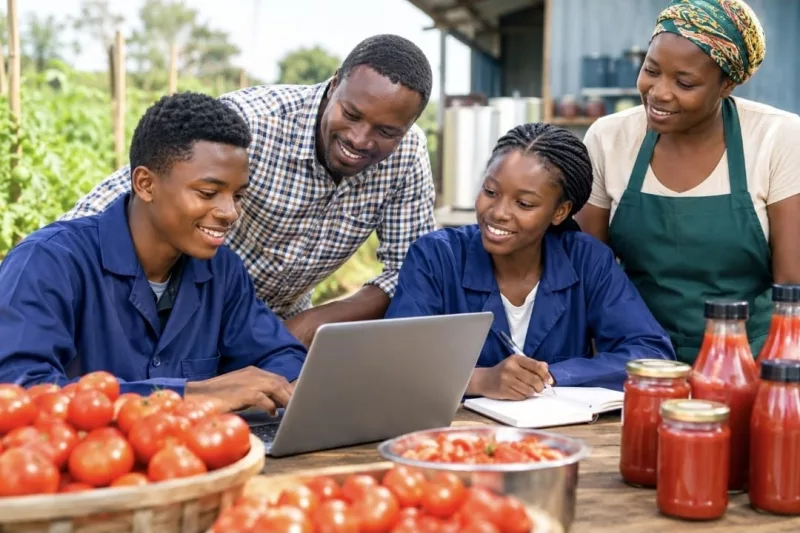
Equally important is youth engagement. Agriculture will not transform if it continues to be perceived as a sector of last resort. Youths in Africa must see agrifood systems as modern, profitable, innovative and appealing. Supporting youth-led agribusinesses, mechanisation service providers, and agri-tech enterprises is not just a social investment—it is an economic necessity for food security and employment creation.
National visions, continental goals, shared destiny
Kenya’s Vision 2030, like many national development strategies across Africa, recognises agriculture as a key driver of economic growth, industrialisation, and food security. Similar priorities are embedded in Ethiopia’s long-term development plans, Morocco’s Green Generation Programme, Egypt’s investments in precision agriculture, and Rwanda’s digital transformation agenda. These national blueprints reflect a growing consensus: food security is national security and a priority.
The Food and Agriculture Organization of the United Nations (FAO)’s role is to support countries in aligning these national visions with continental and global goals, including the Sustainable Development Goals. By fostering better governance, stronger institutions, and inclusive value chains, we can ensure that agricultural growth translates into improved nutrition, decent rural livelihoods, and environmental sustainability.
A call to action: food independence as Africa’s next liberation
Sixty years ago, Africa fought for political independence. Today, the challenge before us is food independence. Ending hunger and reducing food imports is not only about feeding people—it is about dignity, stability, and sovereignty. The resources exist. The policy frameworks exist. The technologies and innovations exist.
What is required to translate these great visions into realities is bold leadership, sustained investment, and coordinated action across governments, the private sector, development partners, and—most importantly—the millions of energetic youths of Africa. If we act decisively, Africa can not only feed itself but also become a global breadbasket.
The writer is FAO Deputy Regional Representative for Africa