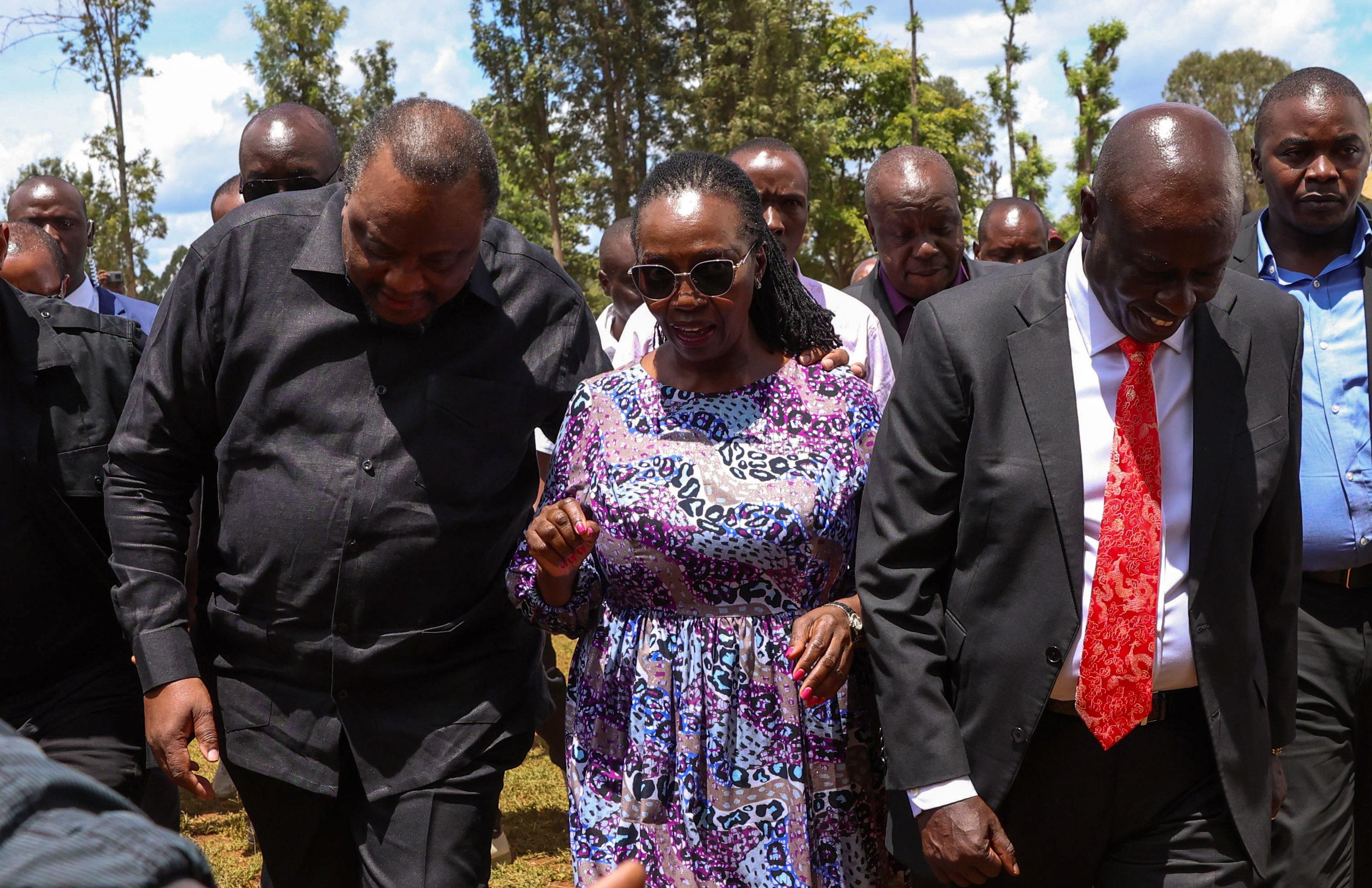
Former President Uhuru Kenyatta’s perceived political influence, financial muscle and expansive networks have sparked growing anxiety in President William Ruto’s camp ahead of the 2027 General Election.
Even three years after leaving office, Uhuru remains firmly at the centre of opposition politics, angering Ruto-allied politicians.
The Kenya Kwanza brigade accuses him of engaging in partisan politics while continuing to enjoy state-funded retirement benefits.
The tensions are also rooted in the bitter fallout from the 2022 General Election, when Uhuru abandoned Ruto and backed former ODM leader Raila Odinga in the presidential race.
Ruto’s allies now accuse the former Head of State of sponsoring opposition activities and attempting to frustrate the Kenya Kwanza administration’s development agenda.
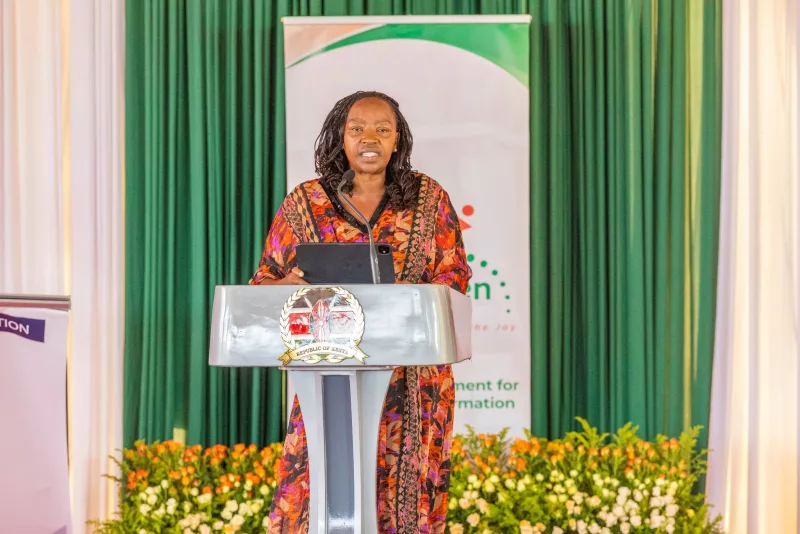
Speaking in Mombasa on Thursday, UDA secretary general Hassan Omar launched a scathing attack on Uhuru, accusing him of financing anti-government campaigns.
“For us, our enemy, the person whom we don’t love, the person sponsoring the opposition, the person who was the president before, and the person who betrayed us must be stopped,” Omar said.
Ruto’s allies have increasingly resisted what they view as Uhuru’s growing political influence, particularly in the Mt Kenya region, where the former president still commands considerable support.
Political observers, however, argue that the backlash reflects deeper fears in the ruling coalition over Kenyatta’s enduring ability to shape the country’s political direction.
Analysts say Uhuru retains strong grassroots networks capable of mobilising support for a preferred candidate, a factor that could complicate Ruto’s re-election strategy in 2027.
“Uhuru still commands loyalty in key regions and has the capacity to influence alliances,” Nairobi-based political analyst Dismus Mokua said.
“That, combined with resources and networks, makes him a formidable behind-the-scenes player.”
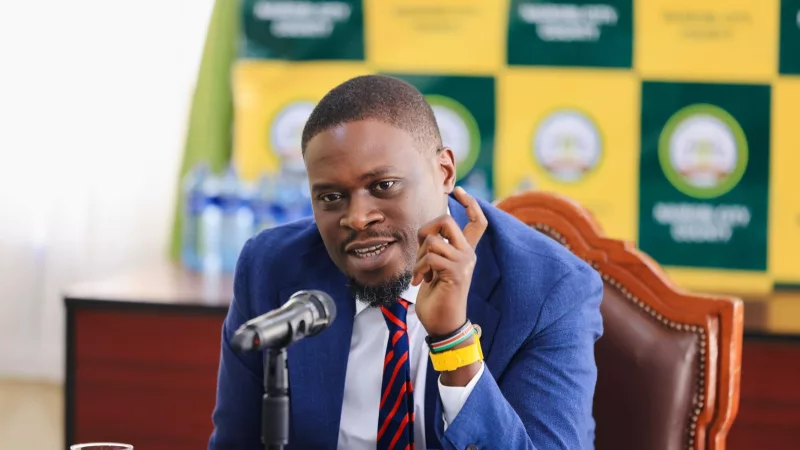
The political storm intensified after Uhuru recently endorsed Jubilee deputy party leader and former Interior CS Fred Matiang’i for the presidency.
Speaking via phone during a Jubilee Party meeting in Narok last month, Uhuru described Matiang’i as a capable and resilient leader fit to lead the country.
“I see Matiang’i as a strong and resilient leader. He may be new to politics, but he is a highly effective worker,” Uhuru said.
The endorsement was widely interpreted as a clear indication that the former President intends to remain actively involved in the country’s political affairs, triggering immediate backlash from leaders allied to Ruto.
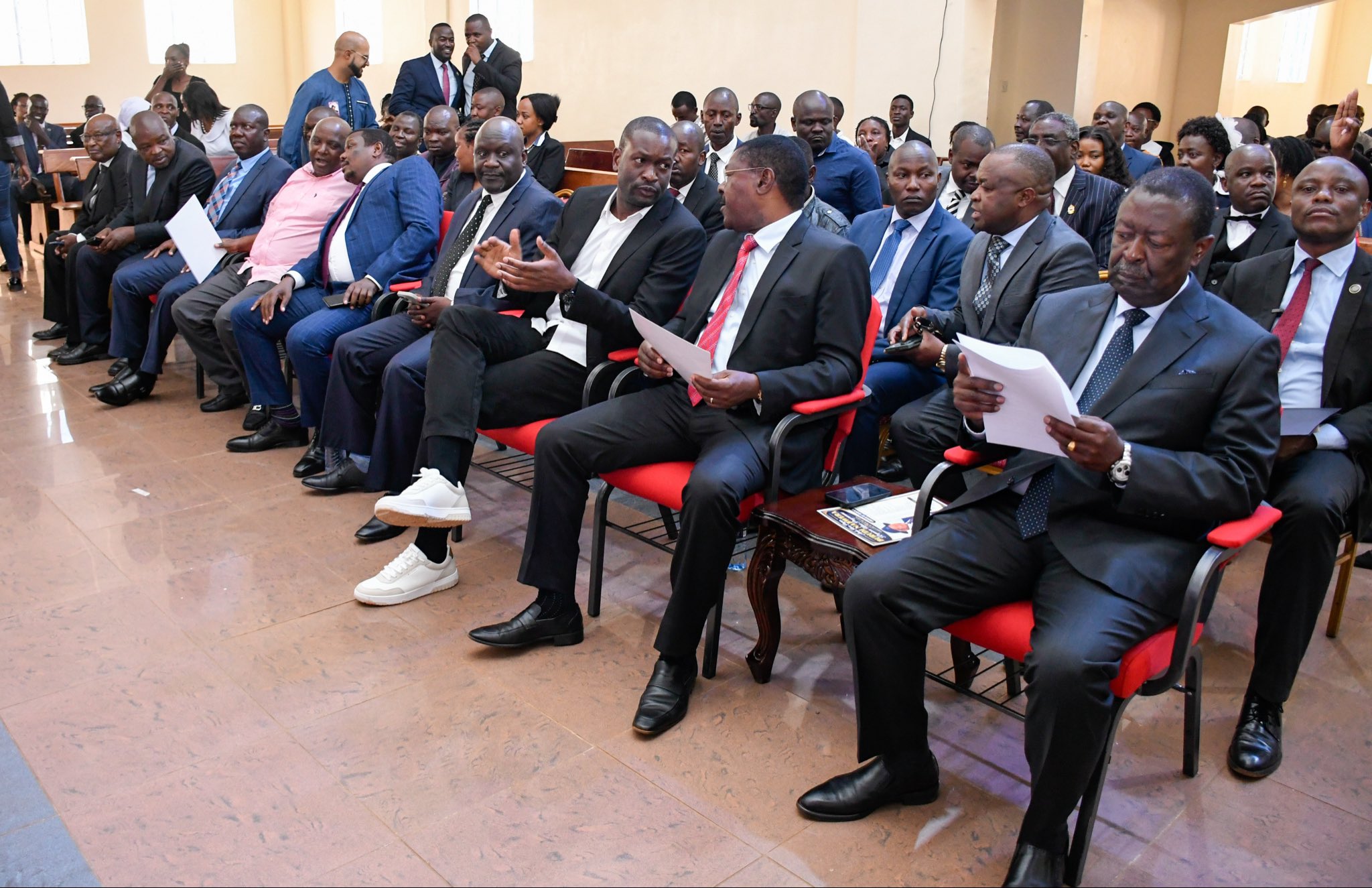
Senate Majority Leader Aaron Cheruiyot led the attacks, warning Uhuru to avoid partisan politics if he expects respect from the public.
“If you behave yourself like a retired President, people will respect you. But if you misbehave, people will deal with you as it is supposed to be dealt with,” Cheruiyot said.
Nandi Senator Samson Cherargei led the attacks, warning that Uhuru risks losing his retirement benefits for allegedly violating the law governing retired presidents.
“The law states that if a president retires and fails to leave politics, the government, through the National Assembly, has the power to remove the retirement benefits,” he said, adding, “From next week, we are removing those retirement benefits.”
Cherargei has since sponsored a motion in the Senate seeking to review and possibly revoke Uhuru’s benefits under the Presidential Retirement Benefits Act.
The motion argues that the taxpayer-funded perks are conditional on a retired president maintaining political neutrality.
“Parliament resolves that the retirement benefits and allowances accruing to the retired President be withdrawn and/or reduced,” the motion states.
The proposal also calls on the Office of the Auditor General to conduct a comprehensive audit of all public resources allocated to Uhuru since leaving office in 2022.
According to the motion, any funds recovered should be redirected “to serve the interests and welfare of the people of Kenya”.
Cherargei’s motion further cites several instances in which Uhuru allegedly crossed into active politics, including attending political rallies, issuing politically charged statements and engaging in consultations linked to electoral contests.
“These actions, if established, amount to active engagement in political party activities contrary to the spirit and letter of the Act,” the motion reads.