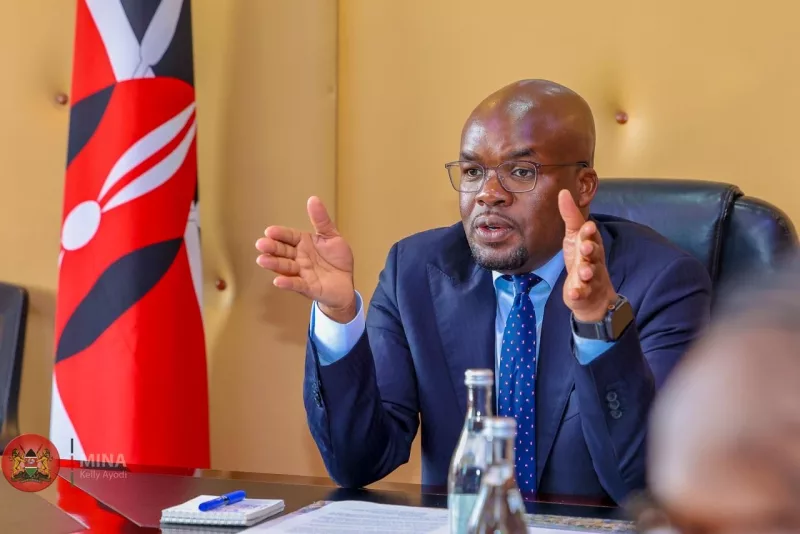
 Abdullahı Maalim, a governance and policy expert with 25+ years of experience in public administration, devolution, and institutional reform. /HANDOUT
As Kenya celebrates this year’s Madaraka Day in Wajir County under the theme “Education, Skills and the Future,” the occasion offers an important moment to reflect on the progress, opportunities, and challenges facing education in the country’s Arid and Semi-Arid Lands (ASALs).
The Frontier Counties Development Council (FCDC) is a regional economic bloc bringing together ten ASAL counties — Garissa, Wajir, Mandera, Marsabit, Isiolo, Samburu, Turkana, West Pokot, Tana River, and Lamu — to jointly address shared development priorities. Among the key sectors receiving growing attention across the region is education, particularly in light of the rapidly changing demands of the modern world.
For many years, learners in Northern and Frontier Kenya have faced structural barriers that have limited access to quality education. Long distances to schools, climate shocks, insecurity, poverty, inadequate infrastructure, low digital connectivity, and a shortage of learning resources have continued to affect educational outcomes in many communities.
Yet despite these challenges, important progress is being made through collaboration among the Ministry of Education, county governments, development partners, communities, and regional institutions to expand access to inclusive, future-orientated learning opportunities.
One of the areas receiving significant focus is Early Childhood Development and Education (ECDE), a devolved function where county governments have invested heavily in classrooms, teacher recruitment, school feeding programmes, and teaching and learning materials.
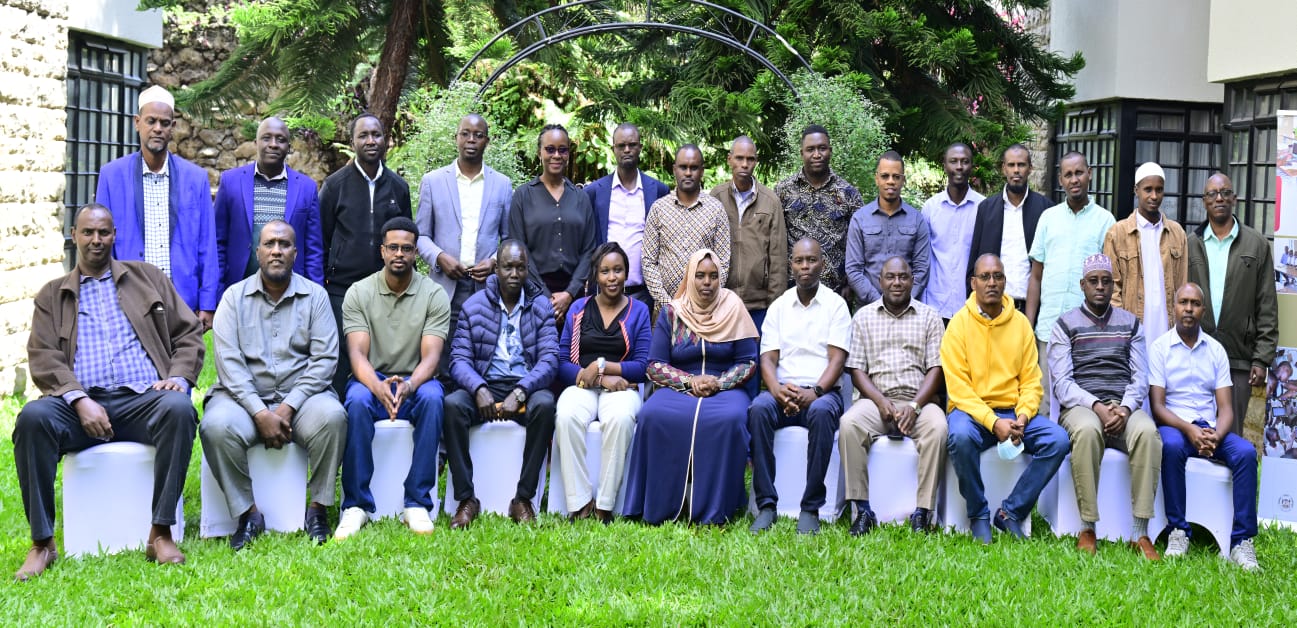
Efforts are also underway to establish multi-sectoral ECDE Technical Working Groups in the counties to support more integrated approaches to child development. This recognises that quality early learning cannot be separated from issues such as nutrition, health, child protection, psychosocial wellbeing, and safe environments for children.In Lamu and Isiolo counties, support has also been extended towards the development of Child Protection Policies aimed at strengthening safeguarding systems and addressing vulnerabilities affecting children. There are ongoing efforts to scale similar interventions to other counties within the region.
At the same time, growing attention is being placed on equipping learners with 21st-century skills that are increasingly becoming essential for participation in the modern economy. Digital literacy, problem-solving, creativity, and technological skills are no longer optional competencies but critical foundations for future competitiveness.
Through partnerships with the Raspberry Pi Foundation and UNICEF, ongoing digital literacy interventions are helping integrate ICT into classroom delivery in frontier counties. The programme, now in its third year, supports teacher training, provision of ICT devices, access to curriculum-aligned digital content, and strengthening of digital learning systems in schools.
So far, the initiative has reached approximately 165,000 learners, 341 schools, and 371 educators across Grades 4 to 9 within the region.Importantly, the programme is also taking deliberate steps towards inclusive digital learning. Under the UNICEF-supported component, visually challenged learners are being supported through specialised teacher training and the introduction of the LEGO Braille Bricks technology, helping improve access to foundational literacy and learning for children with visual impairments. The intervention reflects a growing recognition that meaningful educational progress must include learners living with disabilities and other vulnerable groups.In partnership with EIDU, an additional 145,000 early learners are benefiting from digital literacy support within ECDE centres across the counties.
Recognising the realities of low internet connectivity in many remote and pastoralist areas, innovative offline digital learning solutions are also being piloted through collaboration with Ontum Education Limited. Using Ontum Kulbox Kits and management platforms, schools in internet-challenged locations can access curriculum-aligned educational content offline.The approach is helping bridge one of the biggest barriers to digital inclusion in ASAL regions and expanding opportunities for learners who would otherwise remain excluded from modern learning resources.
Another important development has been the recent launch, within the frontier space, of localised ICT repair and maintenance initiatives aimed at rehabilitating digital tablets and devices already existing in schools but rendered ineffective due to technical faults and a lack of maintenance systems. The localised repair model is expected to improve the sustainability of digital investments while also creating opportunities for technical skills development among local youth and educators.
Beyond the implementation of programmes, attention is also being directed towards policy dialogue and long-term planning for education in Northern Kenya. Preparations are currently underway for the North Eastern Education Regional Summit scheduled for August 2026. The summit is expected to bring together policymakers, county governments, education practitioners, researchers, development partners, and community leaders to deliberate on sustainable solutions for improving educational outcomes in the region.To inform the summit discussions, a regional education study has already been commissioned to generate evidence-based recommendations that can guide future investments and policy interventions.
As the country reflects on this year’s Madaraka Day theme, one message stands out clearly: education remains one of the most powerful equalisers in society. Investments in early learning, digital literacy, inclusive education, teacher capacity, child protection, and skills development are not merely sectoral interventions — they are investments in peace, resilience, opportunity, and the future of Kenya itself.
The experience emerging from the frontier counties demonstrates that with the right partnerships, innovation, and commitment, even historically marginalised regions can steadily build stronger and more inclusive education systems. The journey ahead remains long, but the foundations being laid today are steadily opening new possibilities for children and young people across Northern Kenya — ensuring that geography no longer defines the limits of their potential.
The writer is a governance and policy expert with 25+ years of experience in public administration, devolution, and institutional reform