The recent expression of interest by African industrialist Aliko Dangote and the Dangote Group to establish a major oil refinery in Mombasa presents one of the most consequential economic opportunities for Kenya and the wider East African region in recent history.
At a time when Africa is seeking to accelerate industrialisation, strengthen energy security and create sustainable jobs for its rapidly growing population, this proposal arrives not merely as a private investment opportunity, but also a strategic continental moment. It is a chance for Kenya to position itself at the centre of Africa’s next phase of industrial and economic transformation.
Mombasa warmly welcomes this vision.
For generations, our city has served as the commercial gateway to East and Central Africa. through the Port of Mombasa, millions of tonnes of cargo move annually into Kenya and neighbouring countries including Uganda, Rwanda, South Sudan, the Democratic Republic of Congo and parts of Tanzania. Our strategic geographical position has historically made Mombasa a hub for trade, logistics and maritime activity.
An oil refinery of this magnitude would build naturally on that historic role.
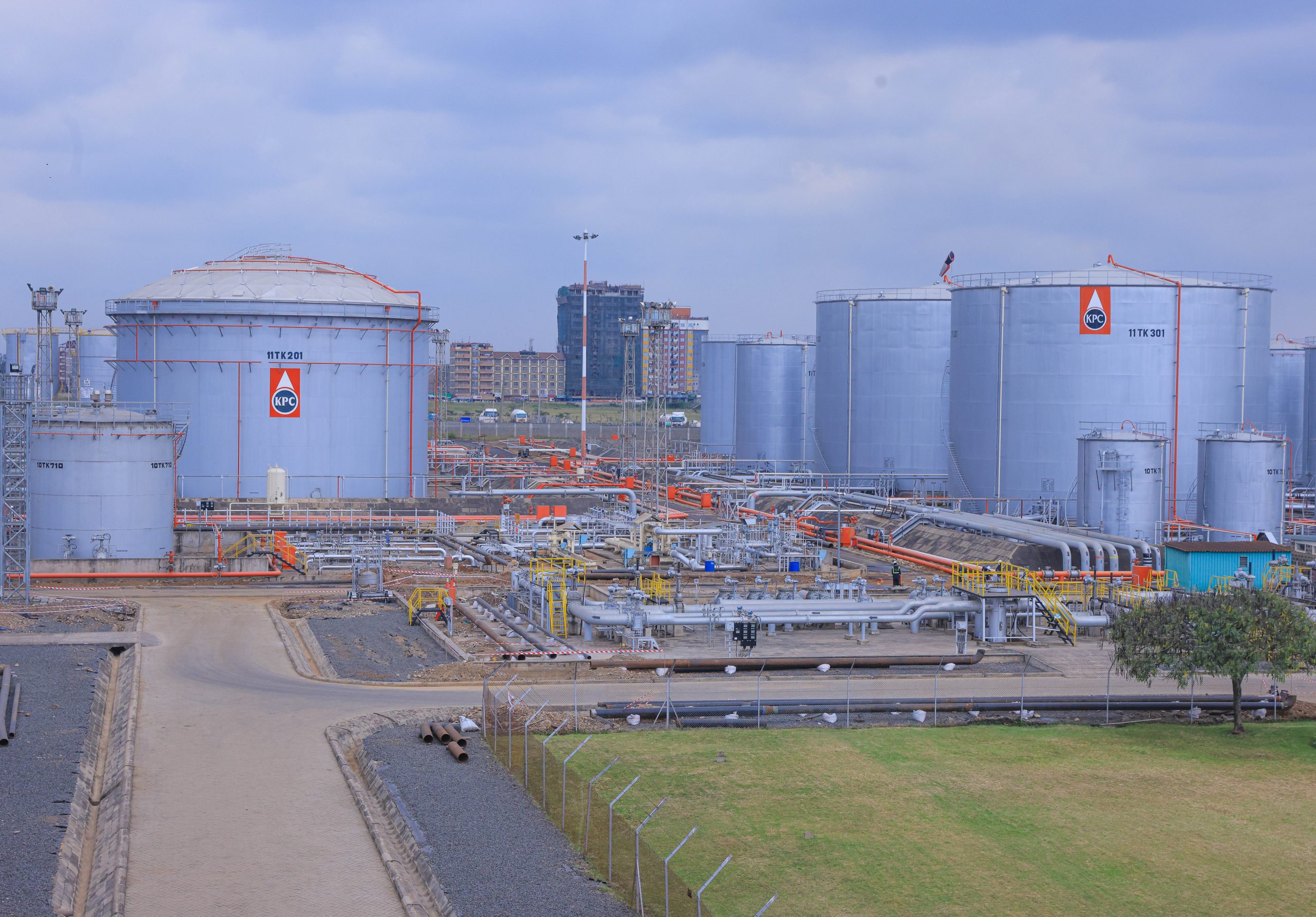
The reported proposal by the Dangote Group, estimated at between $15 billion (Sh1.93 trillion and $17 billion (Sh2.19 trillion) with a potential refining capacity of up to 650,000 barrels per day, would fundamentally alter the economic landscape of the region.
Such an investment would not only rank among the largest industrial projects in Africa, but would also establish Kenya as a serious player in the global energy value chain.
Today, East Africa remains heavily dependent on imported refined petroleum products. This dependency exposes our economies to external shocks, fluctuating international prices, shipping disruptions and geopolitical instability.
Every increase in global fuel prices directly affects the cost of living for our citizens, the cost of transportation, food prices, manufacturing costs and overall economic productivity.
A refinery in Mombasa would help change this reality.
By refining petroleum products closer to the markets they serve, Kenya and the wider East African region would significantly improve energy resilience and reduce vulnerability to external supply disruptions. This would strengthen regional economic stability while improving the competitiveness of our industries and economies.
Beyond energy security, the economic impact would be transformational.
The construction and operation of a refinery of this scale would generate thousands of direct and indirect jobs for Kenyans, particularly young people. Engineers, technicians, logistics professionals, construction workers, maritime specialists, manufacturers, transporters and service providers would all benefit from the economic ecosystem created around the project.
Associated sectors such as petrochemicals, storage, shipping, infrastructure development and manufacturing would experience significant expansion. New opportunities would emerge for local suppliers, contractors and small businesses, stimulating economic activity far beyond Mombasa itself.
This is precisely the type of strategic industrial investment Africa must pursue if we are serious about reducing unemployment, creating wealth and expanding economic opportunity for our people.
Importantly, the Dangote Refinery project in Nigeria has already demonstrated that Africa has the capability to undertake mega industrial projects at a globally competitive scale. The success of that refinery challenged long-standing assumptions that Africa must permanently remain dependent on external industrial capacity.
As Africans, we must support bold investments that deepen continental self-reliance and economic sovereignty.
Kenya has a unique opportunity to become a regional refining and energy hub serving not just domestic demand but the broader East and Central African market. Few cities are better positioned than Mombasa to support such an ambition. Our port infrastructure, transport corridors, maritime access and regional connectivity provide strong foundations for such a development.
Mombasa county stands ready to cooperate fully with investors, the National Government, regulators and development partners to facilitate this opportunity within the framework of Kenyan law, environmental sustainability and public interest.
We understand that projects of this scale require serious planning, robust environmental safeguards, infrastructure coordination and long-term policy certainty. These are legitimate considerations that must be approached responsibly and transparently. Industrial growth must go hand in hand with environmental protection, community engagement and sustainable urban planning.
However, we must also avoid the mistake of allowing bureaucracy, indecision or short-term politics to stand in the way of transformative national opportunities. Countries that achieve economic breakthroughs do so because they create environments where strategic investments can succeed. Kenya must demonstrate that it is prepared to compete for large-scale industrial capital by offering regulatory clarity, infrastructure support and investor confidence.
This is why strong national government support will be critical.
The realisation of a refinery project of this magnitude requires coordinated national leadership. Strategic investments in transport infrastructure, energy connectivity, industrial zoning and investor facilitation will all be necessary to make Kenya the preferred destination for this investment.
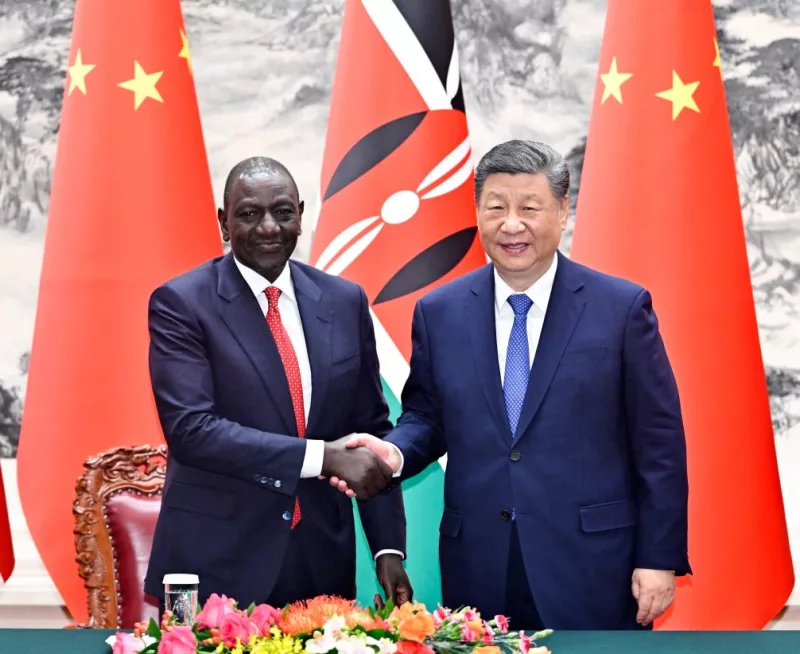
We therefore call upon the governmentunder the leadership of President William Ruto to work collaboratively with all stakeholders in advancing this opportunity. This project should not be viewed through a narrow political lens, but rather as a long-term national and regional economic strategy.
The benefits would extend far beyond Mombasa county.
This is an opportunity to strengthen Kenya’s position as the economic gateway of Eastern
Africa, create jobs for our youth, expand industrial capacity and reinforce Africa’s march towardeconomic independence.The future of Africa will not be built through consumption alone. It will be built throughindustrialization, infrastructure, energy security and strategic investments that create lastingeconomic value.
Mombasa is ready to play its role in that future.And should this vision materialize, history may well remember this moment as the beginning ofa new industrial era not just for Mombasa, but for Kenya and Africa as a whole.
Nassir is theMombasa governor