Skin cancer remains a critical public health concern, characterised by the abnormal growth of cells within the skin tissues.
However, medical data highlights that a combination of vigilant symptom monitoring and proactive daily habits can significantly mitigate risks and aid in early detection.
Recognising the early warning signs is vital for successful treatment. Healthcare experts point to several key dermatological changes that necessitate immediate medical evaluation.
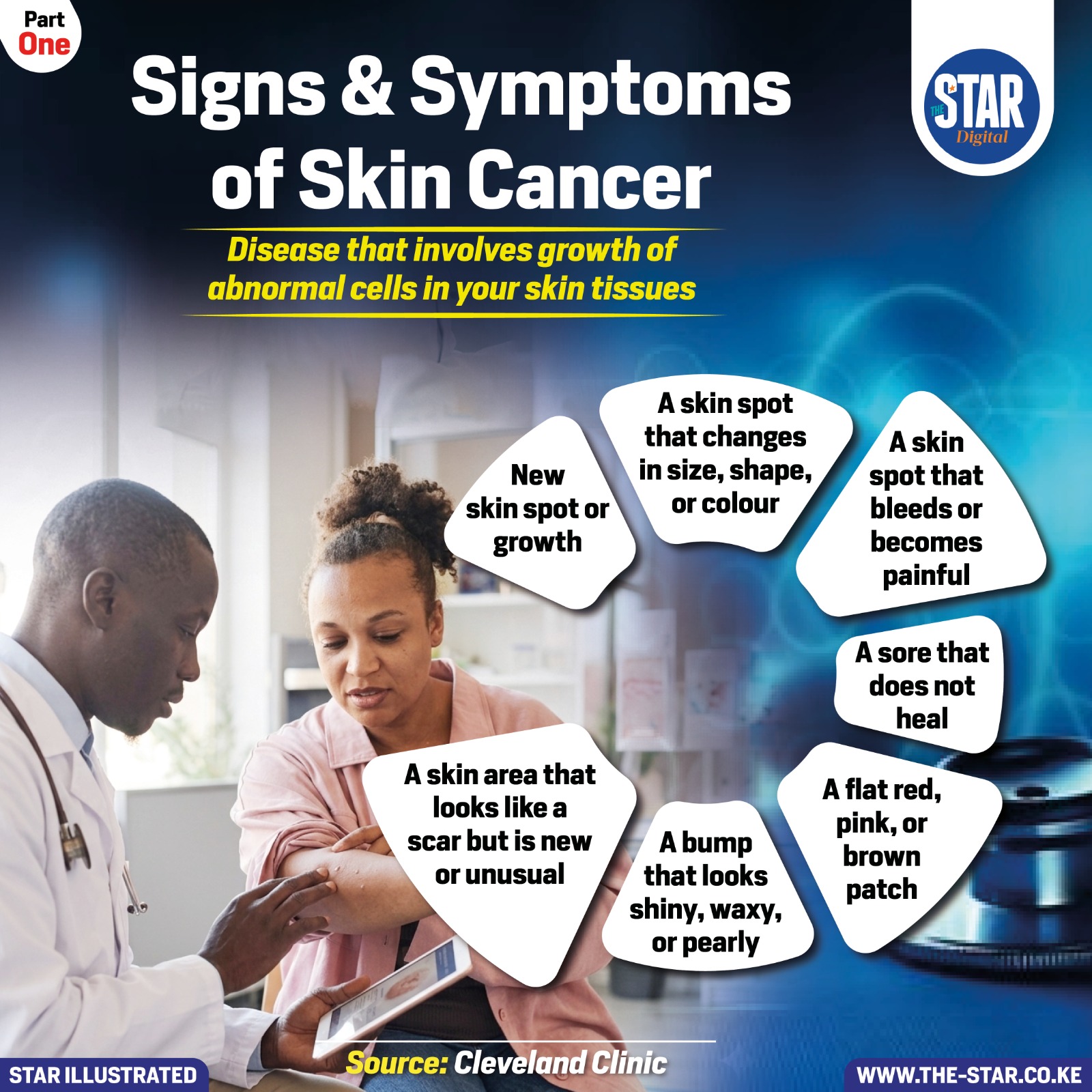
These include the appearance of any new skin spot or growth, as well as existing spots that change in size, shape, or colour. Other notable symptoms include a bump that exhibits a shiny, waxy, or pearly texture, a flat red, pink, or brown patch, or an unusual skin area that resembles a new scar.
Furthermore, individuals should remain alert to any sore that fails to heal, or any skin spot that bleeds or becomes painful.
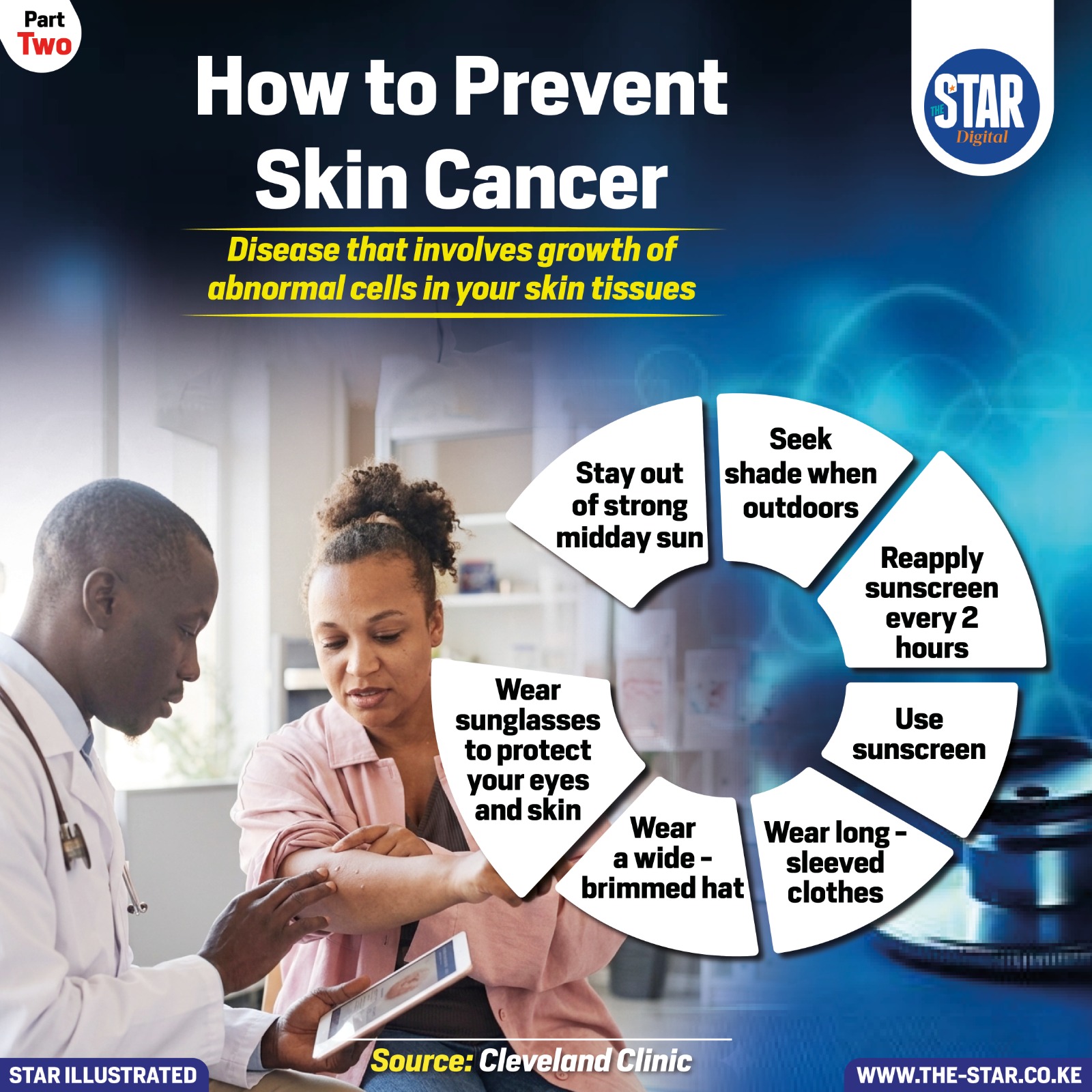
Prevention remains the primary line of defence against the disease, heavily relying on minimising exposure to damaging ultraviolet radiation. Protection strategies focus on minimising direct contact with intense sunlight, particularly by staying out of strong midday sun and actively seeking shade whenever outdoors.
Physical barriers and sunscreens are equally essential. Experts recommend applying sunscreen consistently and reapplying it every two hours during exposure.