Speaking during a meeting with faith leaders from Bungoma at State House, the President claimed the building had been neglected for years. He told the clergy that before the recent upgrades, the residence resembled a "jua kali" (informal) structure rather than a centre of power.
Leaks and Buckets
The President shared anecdotes of the challenges staff faced before the renovation began. He claimed that parts of the building were in such disrepair that the roof would leak during heavy rains.
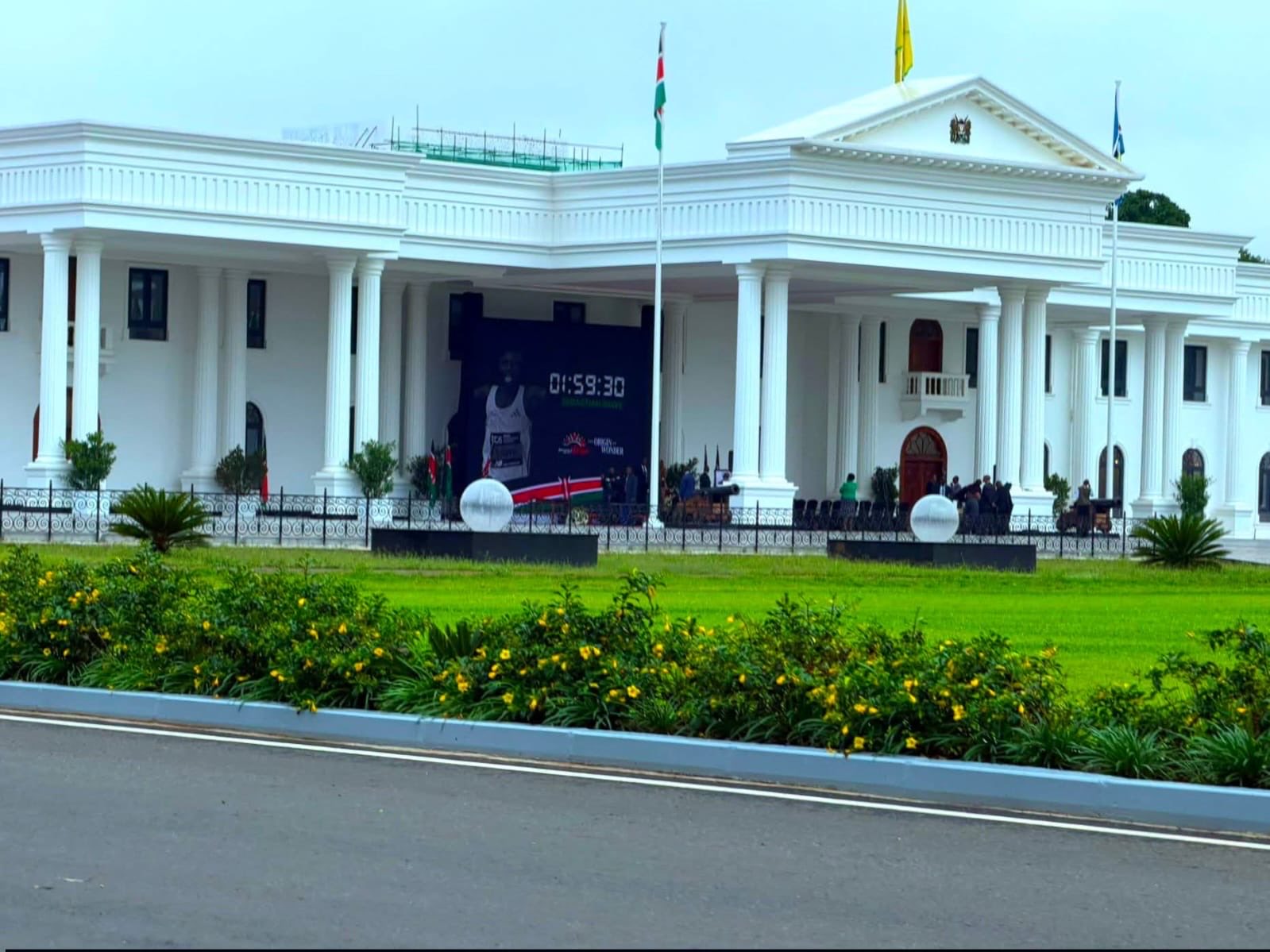
“This State House compound has almost 1,000 staff, yet we have a very tiny mabati church, imagine. Even that State House you are seeing there, it was a juakali structure, right now I have renovated it,” he said.
According to the President, staff members often had to carry buckets to collect rainwater inside the offices. He argued that a leader must first ensure their own workspace is in order before they can effectively manage the country's affairs.
"If I cannot organise the place where I work, how will I organise for Kenyans? So I decided to renovate it, people made noise about it, but recently I saw some have started saying it’s not that bad," he added.
The 1.7 Billion Price Tag
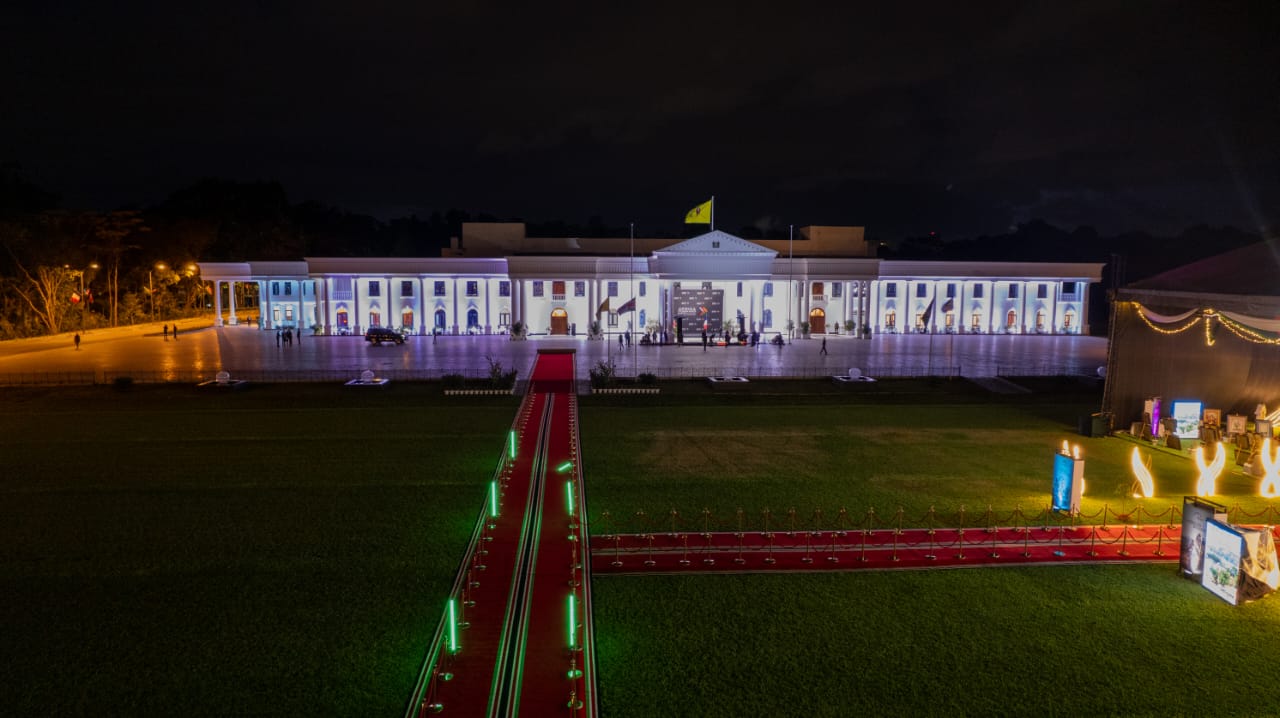
The extensive facelift is valued at approximately KSh 1.7 billion. So far, the government has spent over KSh 1.17 billion on the project, which is reportedly over 66% complete.
One of the most significant architectural changes involves the building's iconic colonial-style roof, which has been replaced with a modern flat-roofed structure.
Despite initial budget cuts following public protests against the Finance Bill 2024, the National Treasury last year allocated an additional KSh 894.9 million to ensure the maintenance and renovations continue.
A New Sanctuary
A key part of the transformation is the construction of a new chapel on the State House grounds. President Ruto noted that while the compound houses nearly 1,000 people, it previously only had a small church made of iron sheets.
He described the existence of a "mabati church" at the official residence of the President as a source of national shame.
"We cannot have a tin church at State House. It is a shame".
Funding the Faith
Addressing the controversy over the cost of the religious building, the President clarified that he did not seek government funding for the chapel's construction. Instead, he stated that the project is being funded through contributions from his personal friends.
He remained firm on the necessity of the sanctuary, suggesting that any future leader who disagrees with its presence is free to remove it.