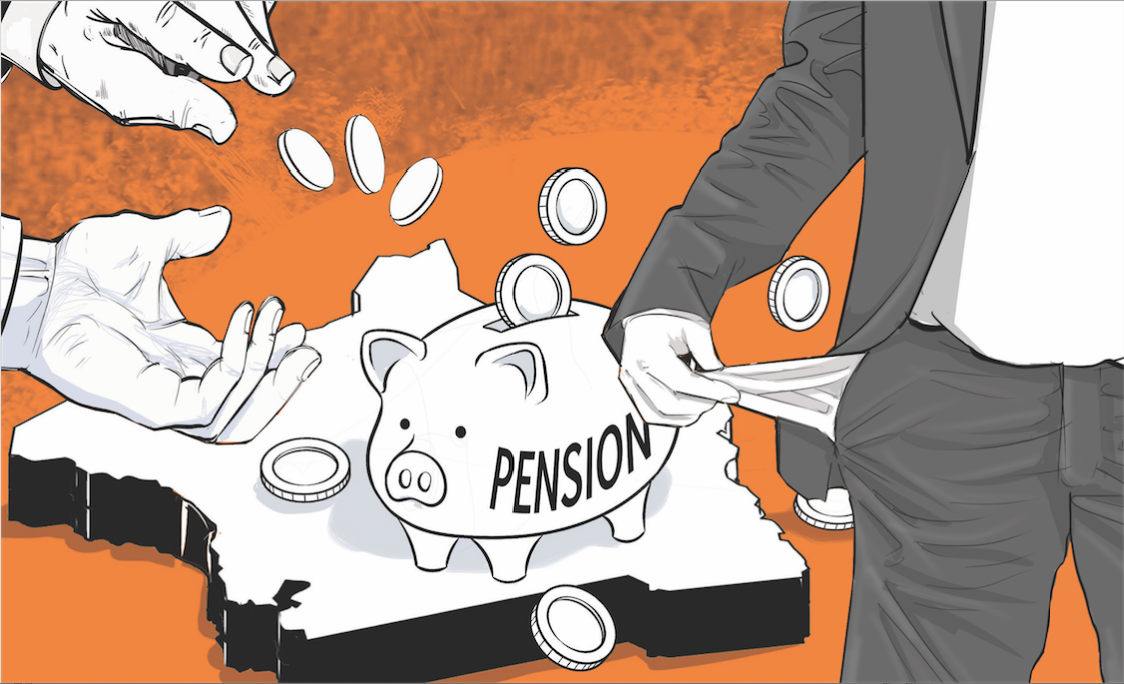
RetirementremainsariskyanduncertainjourneyforKenyans.Formany,theword “retirement”isstillwhisperedwithfear,oftenassociatedwithpoverty,dependence and declining dignity.Yet, retirement should not be a season of anxiety – it should be a time of security,contribution andfulfilmentafterdecadesofservicetofamilyandourcommunities.
Overthe last several years,Kenya hasmade notable progressinexpandingpensioncoverage. For example, with the NSSFAct, pension coverage grew from 15 per cent in 2021 to about 26 per cent in 2024withaprojectedgrowthof34 per cent by2029(RetirementBenefitsAuthority(RBA)-2024).
The reforms in the retirement benefits sector such as the growth of occupational schemes, individualpensionplans,andinnovative productstargetingthe informalsector,are commendable.
However,beneaththesegainsliesadeeperandmoreworryingproblem:while more Kenyans are joining pension schemes, far too many are retiring with savings that are simply not enough to sustain a dignified life.
Today,lessthanaquarterofKenya’sworkingpopulationiscoveredbyanyformofformal pension arrangement. The majority – especially those in the informal sector – still rely on familysupport,small businesses orsheerresilience inoldage.
Evenamongthose whoare covered,incomereplacementratesarelowonceoneretires.AccordingtotheRBApension report of 2024, 52 per cent of retirees had saved for between 30 and 40 years, but many could not comfortably retire with their pension.
This is because anestimated 12 per cent were receiving an income of Sh40,000–Sh50,000, while 9.6 per cent received between Sh51,000 and Sh100,000 and a mere1.9 per cent receivedoverSh100,000permonth.Tofurthercompoundthisreality,83 per cent reported having dependants who were less than 24 years of age.
Inaddition,manyretireestakepartoftheirpensioninlump-sum,whichtheyexhaustwithina few years, leaving them financially vulnerable for the remainder of their lives.This reality is not just a personal tragedy (which it is for many a retiree in Kenya); it should be an issue of national policy concern.
Kenya’spopulationisageingandlifeexpectancyisincreasing,andtheproportionofKenyans above 60 years continues to rise.At the same time, family structures have changed and continuetochange.Thetraditionalsafetynetswhereadultchildrencaredforageingparents has weakened under the pressures of urbanisation, unemployment and rising costs of living.
Formany,Africantraditionsthatonceensuredcareanddignityinoldagehavebeen weakenedovertime.Ironically,theburdenhasshiftedintheoppositedirection,withretirees increasingly supporting their adult children. In the absence of strong retirement income systems and adequate pension coverage, old-age poverty is no longer a future risk – it is an unfoldingsocialandeconomic crisisinKenya.
Giventhereducedincomeinretirementandhighdependencyonretirees, retirement life is precariousformanyKenyans.Withlimitedopportunitiestoearnadditional income,evenfor those who are willing andableto work, many retireesfacing incomeinadequacyareleft with few viable economic options. In response, some turn to small businesses as a survival strategy,withthelatesttrendbeingventuressuchasdigitalmarketing.
Forsome, however, theseenterprisesfail,resultinginthelossofhard-earnedsavings.Othersareforcedtorelyon their adult children, even when those children are themselves financially strained.
With poor and expensive health coverage in Kenya, health shocks can quickly wipe out the savingsofmanyretireesincaseofahealthemergency.Inaddition,housinginsecurity increasesforthoseworkinginurbanareassuchasNairobi, forcingmanyaretireetomoveto rural areas (shags ) without adequate preparation for“rural life” nor the resources to sustain their livelihood.
As a result, it's no surprise that emotional distress and loss of dignity follow closely behind.
Unfortunately,retirementformanyinKenya, insteadofbeingarewardaftermanyyearsof labour, becomes a season of survival, disappointment, despair and destitution. There is evidencetoshowthatmentalhealth,andespeciallyalcoholabuse,becomesthedefaultfor some who are struggling with life in retirement to numb their pain.
Why does this situation persist?
Second, irregular incomes in the informal sector make consistent saving and paymentto a pension scheme (if anappropriate one is available) difficult. Third, financial literacy around retirement planning remains limited.ToomanyKenyansonlybeginthinkingseriouslyabout retirementinthefinalyears of their careers – when it is already too late to build meaningful savings.
Thereisalsoaclearpolicyimbalance.Whilenationalconversationshaverightlyemphasised expanding pension coverage, far less attention is paid to outcomes – specifically, whether pension benefits are sufficient to support a decent life in retirement.
As a society, we rarely ask whether pensionscan cover rent, medical expenses or other basic needs.True successin pensionreformshouldbemeasurednotonlybyparticipationrates,butbythedignityretirees experience in old age.
So what must change?
First, in addition to increasing pension coverage, we must place pension adequacy at the centre of retirement policy and discussions. Contribution rates, benefit designs, and payout structuresneedtobereviewedwithonekeyquestioninmind:willthisincomelast,andwill it be enough for retirees to live a decent life?
Second,flexibleandinclusivesavingsmechanismsforinformalworkersmustbescaledup. Digital platforms, micro-contributions and matched savings incentives can help bring millions into meaningful long-term savings for retirement.
Third,retirementeducationmustbeginearly.Retirementplanningshouldnotbeafinal-year seminar. It should be a lifelong conversation. Employers, regulators, financial institutions and civil society all have a role to play inhelping Kenyans understand that retirement is not an event—it is a process and alifetransition that, for some,can last 20 or more years.As such, to thrive and live a happy, meaningful and fulfilled life in retirement, adequate planningis necessary.
Finally,wemustbroadentheretirementconversationbeyondmoney.Nodoubtthatadequate incomeinretirementisessential,butsoaregoodhealth,havingapurpose,socialconnection and continued participation in society.Adignified retirement hasto be holistic. It recognises retirees not as dependents, but as valuable members of our society withexperience,wisdom and ongoing contributions to make.
Kenyastandsatanimportantcrossroads.Ifweactnow – strengtheningcoverage,improving adequacy and reshaping how we prepare for later life after the workplace – we can build a holistic retirement system that includes both the financial and non-financial aspects and protect notjust incomes, but human dignity.
RetirementshouldnotpushKenyansintofinancialstruggleduetolimitedpensioncoverage and inadequate benefits. Instead, it should open the door to financial security, renewed purpose, and a dignified life after many years of hard work and contribution.
Certified retirement and transition coach and is the founder and CEO of Reinvent RetireMINT