Across homes, schools, buses and social media platforms, young people are creating and changing slang at a speed many parents cannot follow.
Read Also
Words that sounded normal a few years ago are now considered outdated, while new phrases appear almost daily through TikTok, Instagram, gaming culture and online trends.
From “Mum” to “Mathe” and “Mokoro”
Many parents now say they are surprised by the names their children use when addressing them.
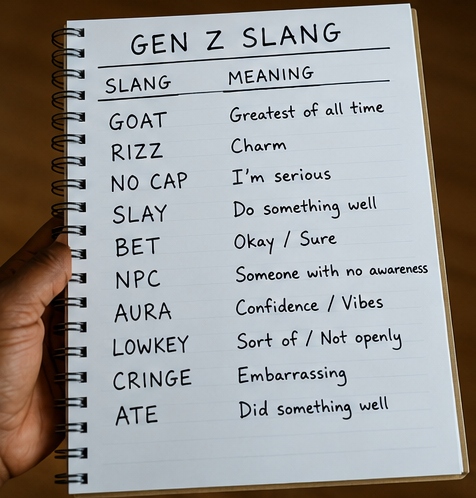
Instead of “mum” or “dad”, some teenagers casually say “Mathe”, “Mokoro”, “Bibi ya mzae” or simply “Bruh”.
Among girls, words such as “Goshoda” have become popular in casual conversations and online interactions.
One Nairobi mother of three said hearing her son call her “Mathe” for the first time left her shocked.
“I thought he was joking. The next day, he called me ‘Bruh’, and I realised this is how they speak nowadays,” she said.
Another parent said she often feels lost during conversations at home because her children switch between Sheng, English slang and internet phrases within seconds.
“Sometimes I genuinely do not know whether they are insulting me or joking,” the parent explained.
Experts say slang has always existed among young people, but social media has accelerated how quickly it spreads globally.
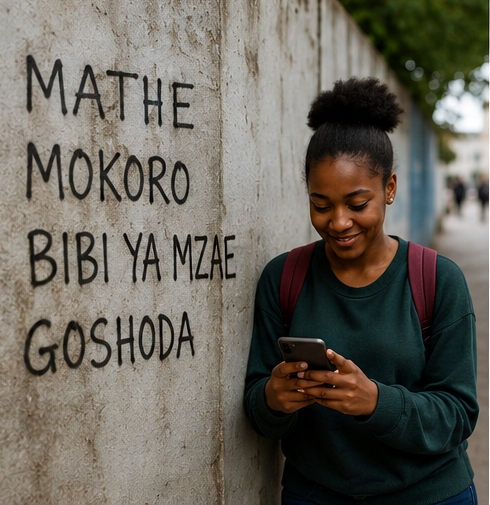 GenZ youth smiles while reading slang terms // AI generated
A Language Parents Do Not Understand
Many Gen Z youths admit they intentionally use slang to create identity, humour and connection with friends.
Some university students interviewed said phrases constantly evolve depending on trends, music and viral videos.
They explained that money can be called “bags”, “doe” or “mbesha”, while people are described using terms like “NPC”, “aura farming”, “lowkey”, “cringe” or “GOAT”.
Others said words like “no cap”, “slay”, “bet”, “ate”, “valid” and “rizz” are now part of everyday speech both online and offline.
One 21-year-old student said many parents misunderstand modern slang because they take everything literally.
“Most of the time, we are just vibing. The words are not meant to disrespect parents,” he said.
Another youth explained that slang also changes too fast for adults to catch up.
“Even we sometimes stop using a word after a few months because it becomes old,” she added.
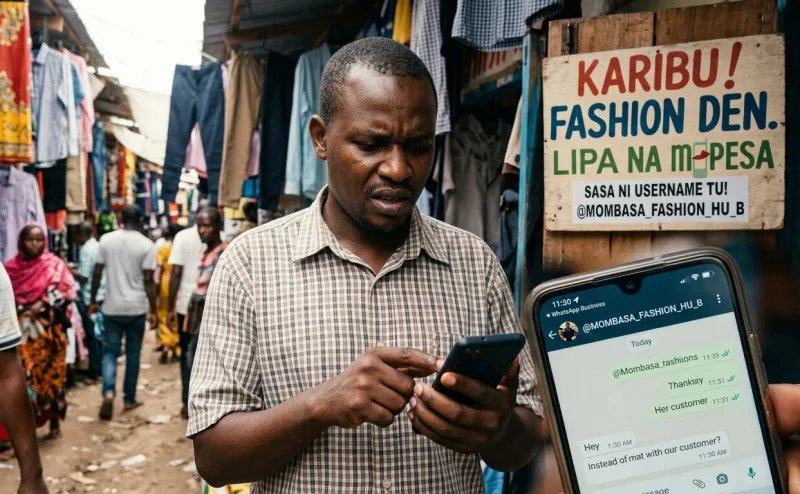
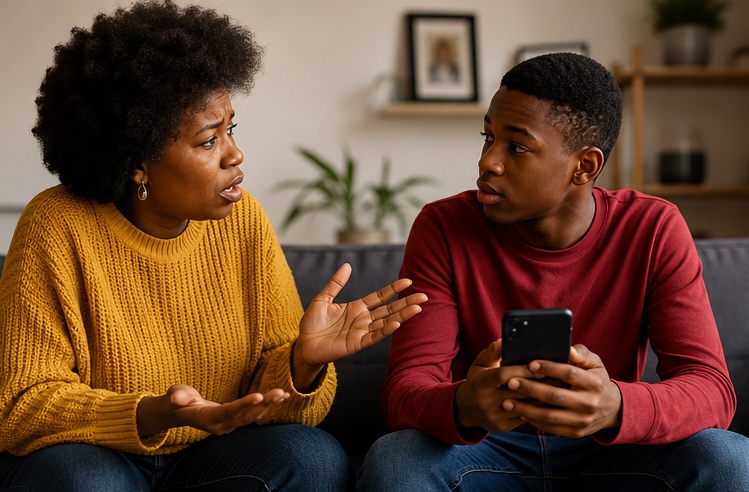 Parent after being reffered to Mokoro // AI generated
The Digital Generation Gap
Research published this year found that many parents struggle to understand even basic Gen Z slang despite hearing it regularly.
Online communities also show that not all young people use slang heavily, but many admit that it shapes modern communication and identity.
Key Stats and Trends
- Social media platforms remain the biggest source of new slang among young people.
- Researchers say slang now spreads globally faster because of the internet and meme culture.
- Studies also show that slang evolves rapidly, and meanings often change depending on region or online communities.