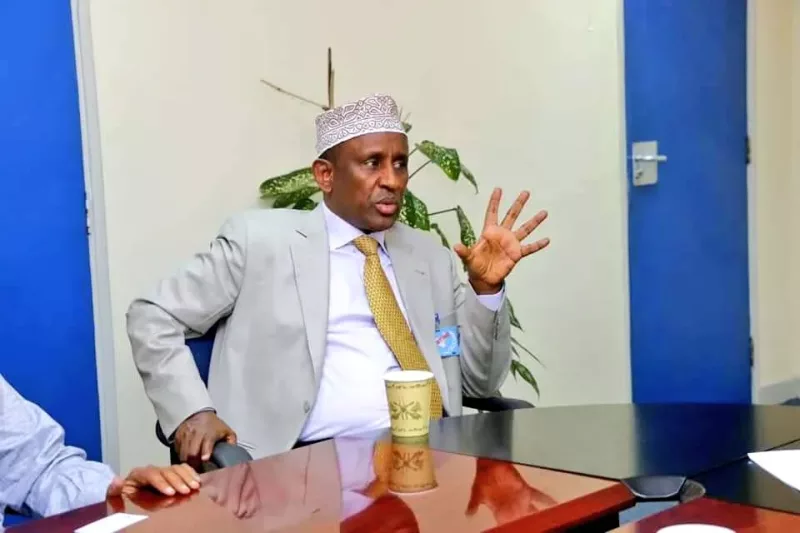
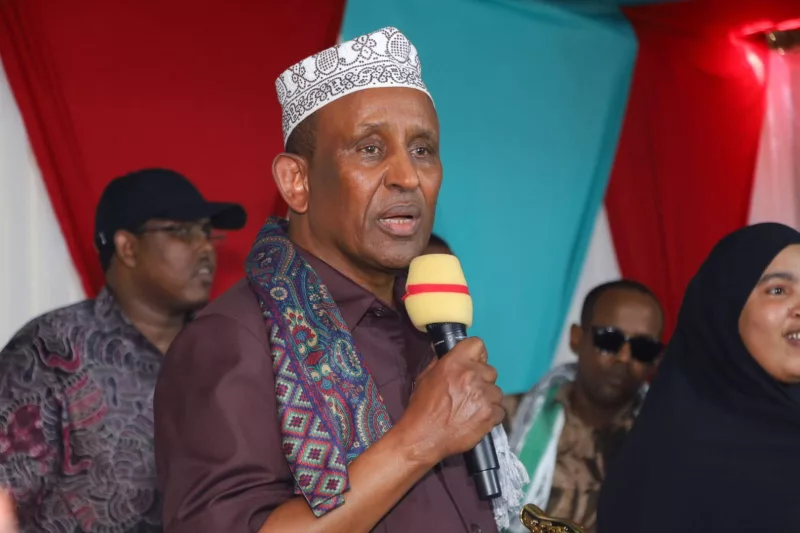
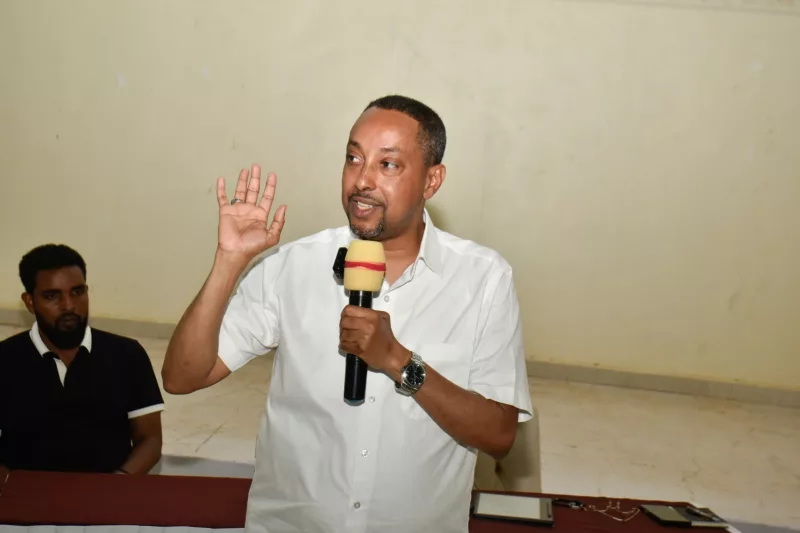
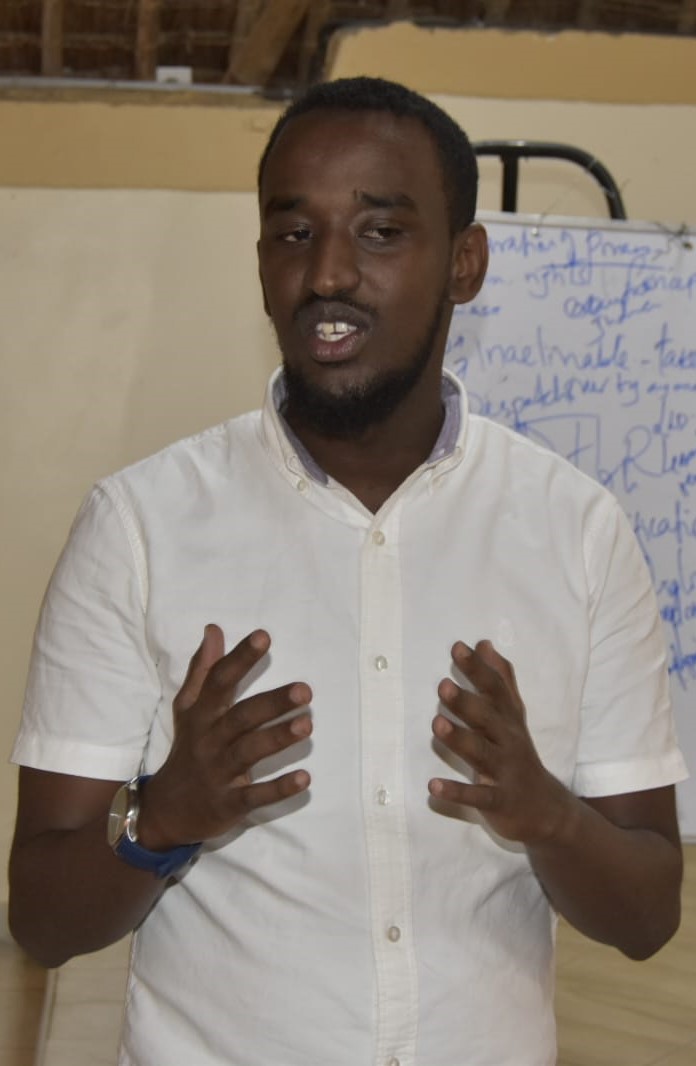
 Garissa County MUHURI Coordinator, Abdihakim Shurie speaking
to the press. /STEPHEN ASTARIKO
Garissa County MUHURI Coordinator, Abdihakim Shurie speaking
to the press. /STEPHEN ASTARIKO
Peace actors from Garissa county have intensified community sensitisation forums aimed at promoting peaceful coexistence and restoring trust.
The move follows recent insecurity incidents in Garissa and Kitui counties.
The series of town hall meetings, held under the Haki Yetu project, has brought together civil society organisations, community members, youth leaders, religious leaders and stakeholders from both the national and county governments.
The initiative is funded by the KIOS Foundation and implemented by MUHURI. The peace forums come after tensions and communal unrest witnessed in recent weeks, triggered by the killing of a taxi driver in Garissa and a bandit attack in Tseikuru, Mwingi, where eight people lost their lives.
The violence disrupted transport along the Garissa–Mwingi–Nairobi highway for several days. Businesses were affected, with reports of looting, as economic activity ground to a halt.
In response, various organisations and community groups have launched peace dialogues aimed at restoring security and rebuilding trust, unity and long-standing neighbourly relations between the communities.
Speaking on the sidelines of one of the meetings, Garissa County MUHURI coordinator Abdihakim Shurie stressed the importance of maintaining peace among neighbouring communities.
Shurie noted that residents of Garissa and Kitui depend on each other economically and socially, saying conflict would be costly for both sides.
“As witnessed during the unfortunate incidents, peace is priceless and must be protected at all costs. As neighbours, we cannot afford to be at loggerheads because we need one another. You can choose a friend, but you cannot choose a neighbour,” he said.
Youth leader and peace actor Abdirahman Keynan called on residents to take responsibility for promoting peace, urging communities to reject individuals intent on destabilising security.
“The few bad elements out to destabilise peace and security should be identified and dealt with according to the law,” he said.
Another participant, Abdullahi Abdi, raised concerns over the misuse of social media, saying some users were spreading hate speech and false information that fuelled tensions.
Religious leader Lazarus Katiso emphasised the need for tolerance and unity across faiths, noting that both Christianity and Islam preach love and peaceful coexistence.
“We are all one and created in the image of God. We must love and care for each other because that is what our holy books, the Quran and the Bible, teach us,” he said.
Community representative Nimo Iftin said crime should be treated as an individual responsibility and not attributed to communities or clans.
“Crime is an individual act and law enforcement should pursue and prosecute those responsible. Communities should not resort to collective punishment or retaliation, as it is both wrong and illegal,” she said.
The participants further called on political leaders to become ambassadors of peace by refraining from issuing reckless statements that could inflame tensions whenever such incidents occur.
They urged leaders to instead promote dialogue, unity and peaceful coexistence among communities to safeguard the long-standing social and economic ties shared by residents of the neighbouring counties.
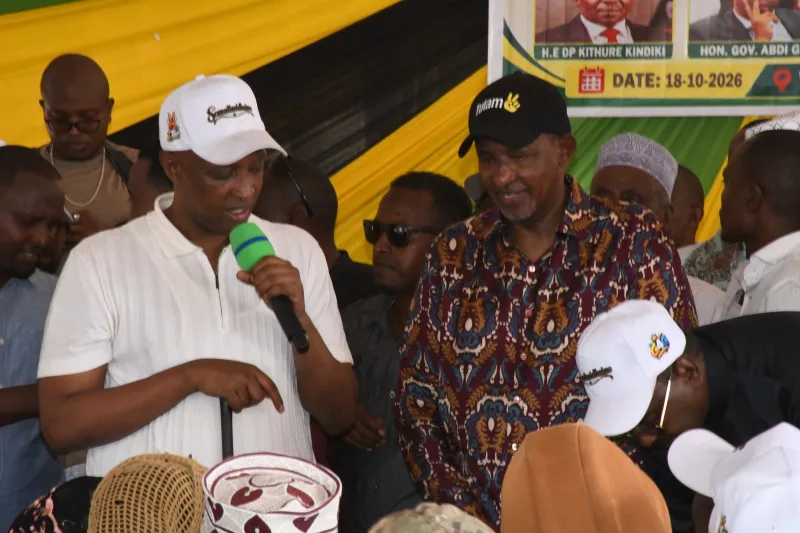
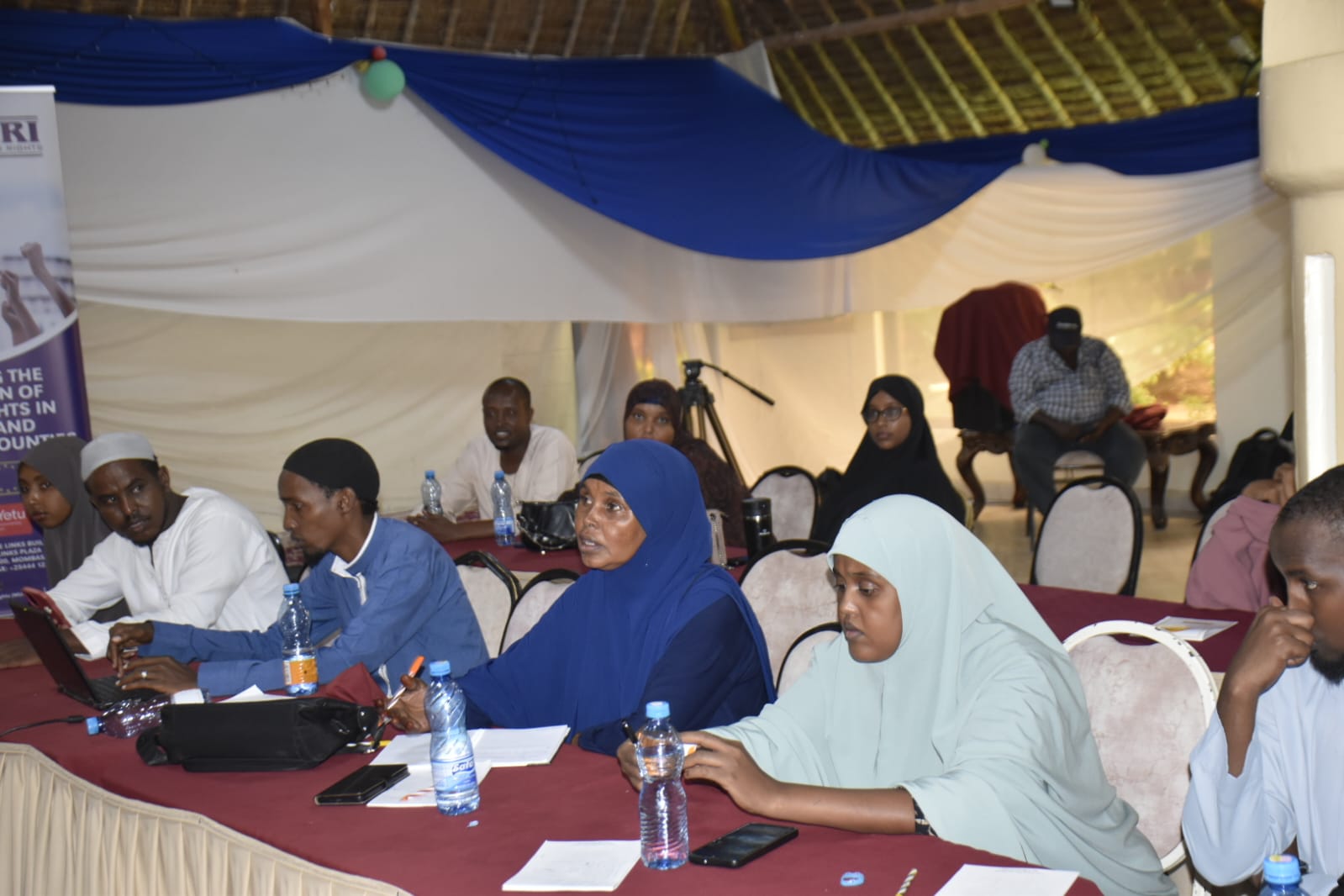 Civil society organizations, community members, youth
leaders, religious leaders, and stakeholders from both the national and county
governments during the meeting. /STEPHEN ASTARIKO
Civil society organizations, community members, youth
leaders, religious leaders, and stakeholders from both the national and county
governments during the meeting. /STEPHEN ASTARIKO
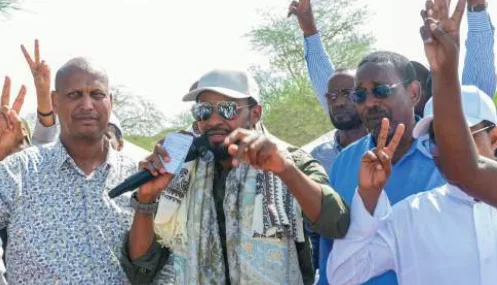
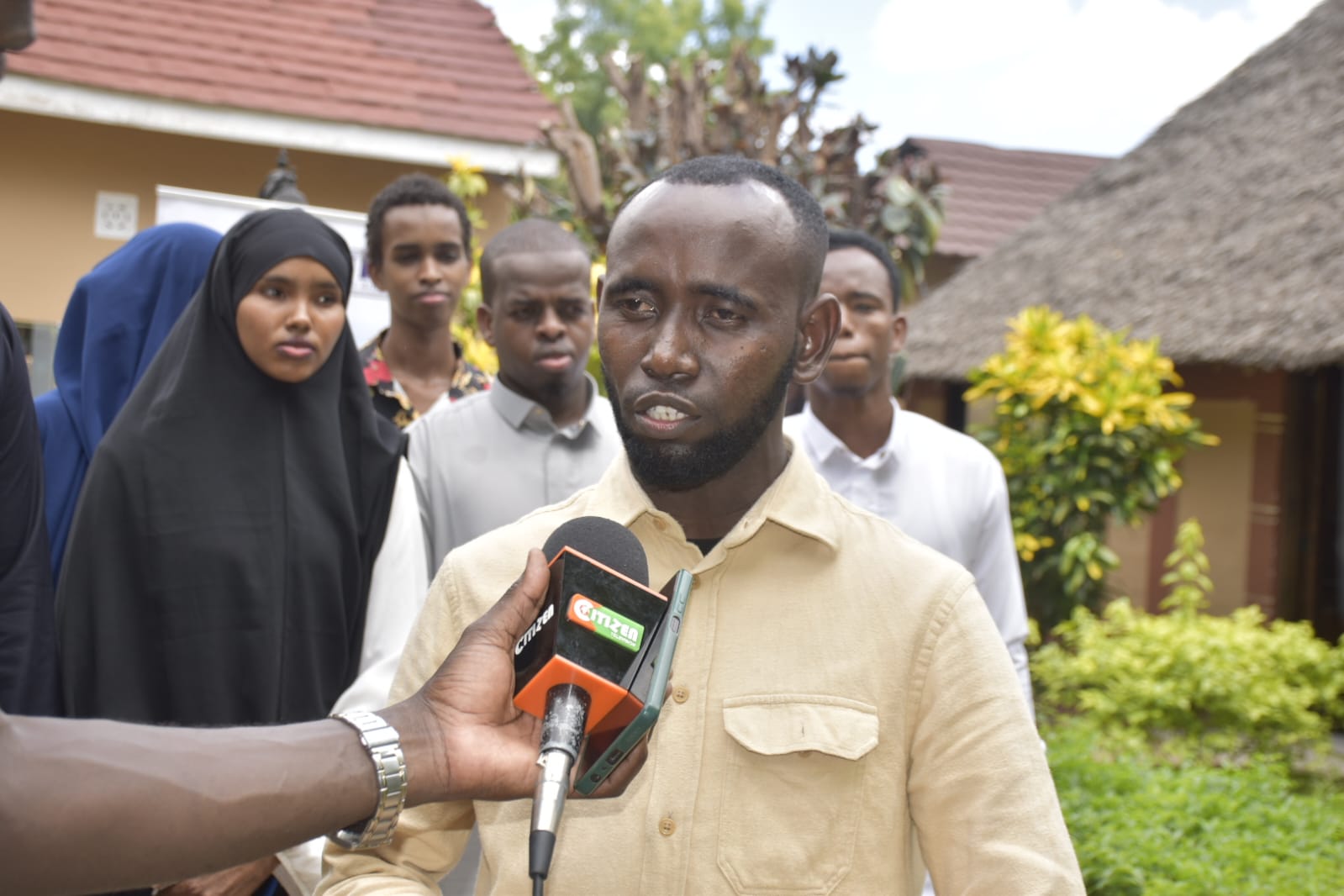 Abdirahman Keynan, a youth leader and peace actor from
Garissa speaking to the press. /STEPHEN ASTARIKO
Abdirahman Keynan, a youth leader and peace actor from
Garissa speaking to the press. /STEPHEN ASTARIKO
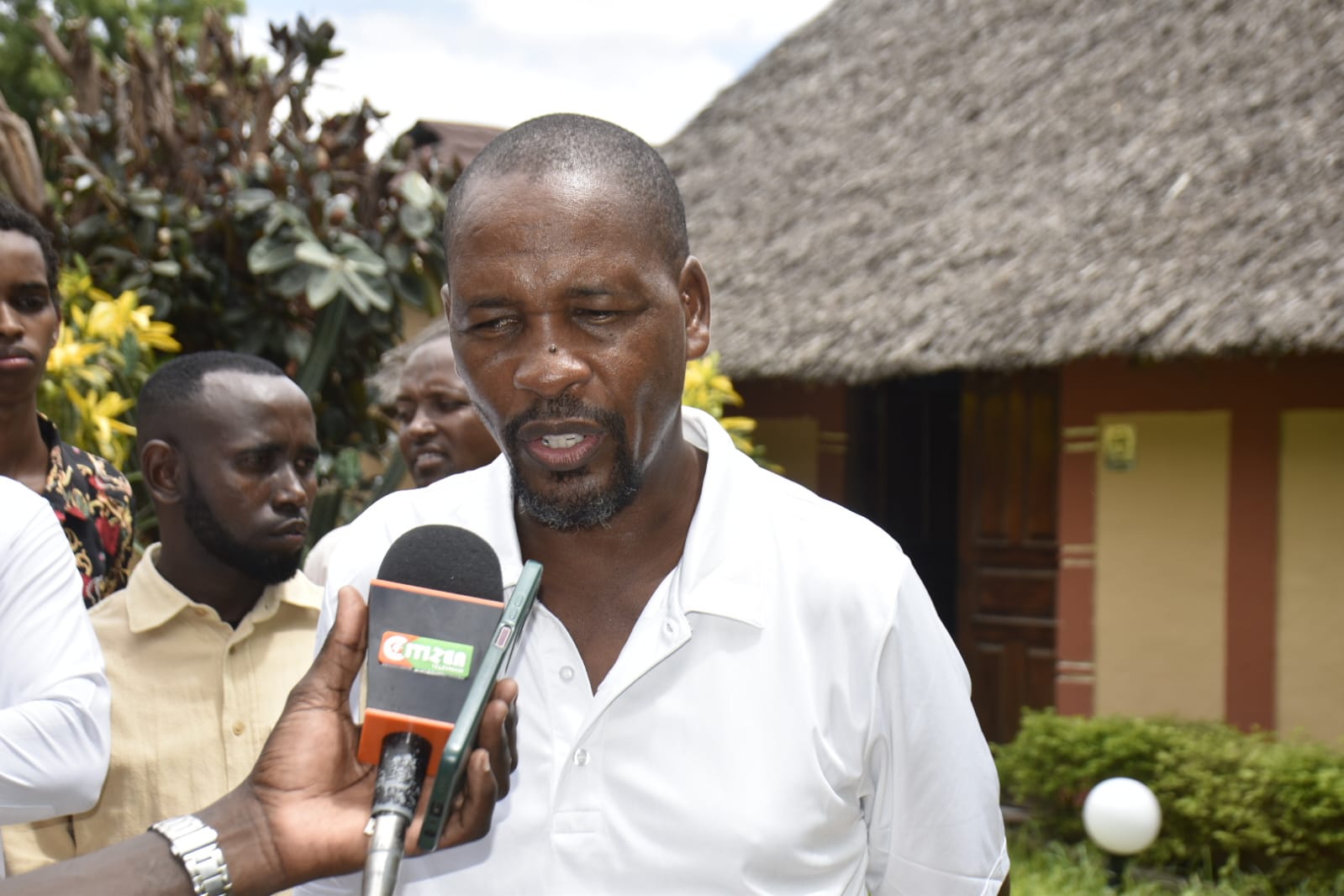 Lazarus Katiso, a pastor based in Garissa speaking to the
press. /STEPHEN ASTARIKO
Lazarus Katiso, a pastor based in Garissa speaking to the
press. /STEPHEN ASTARIKO
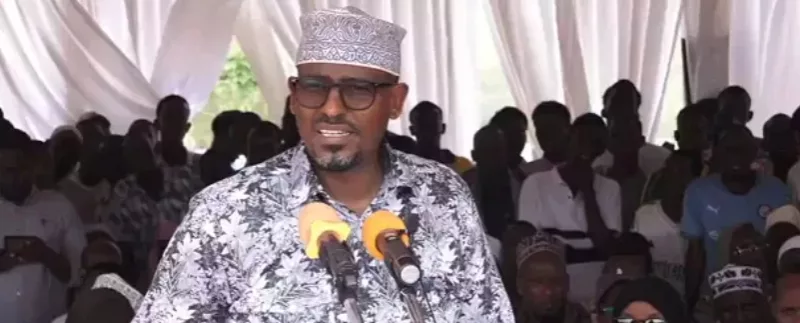
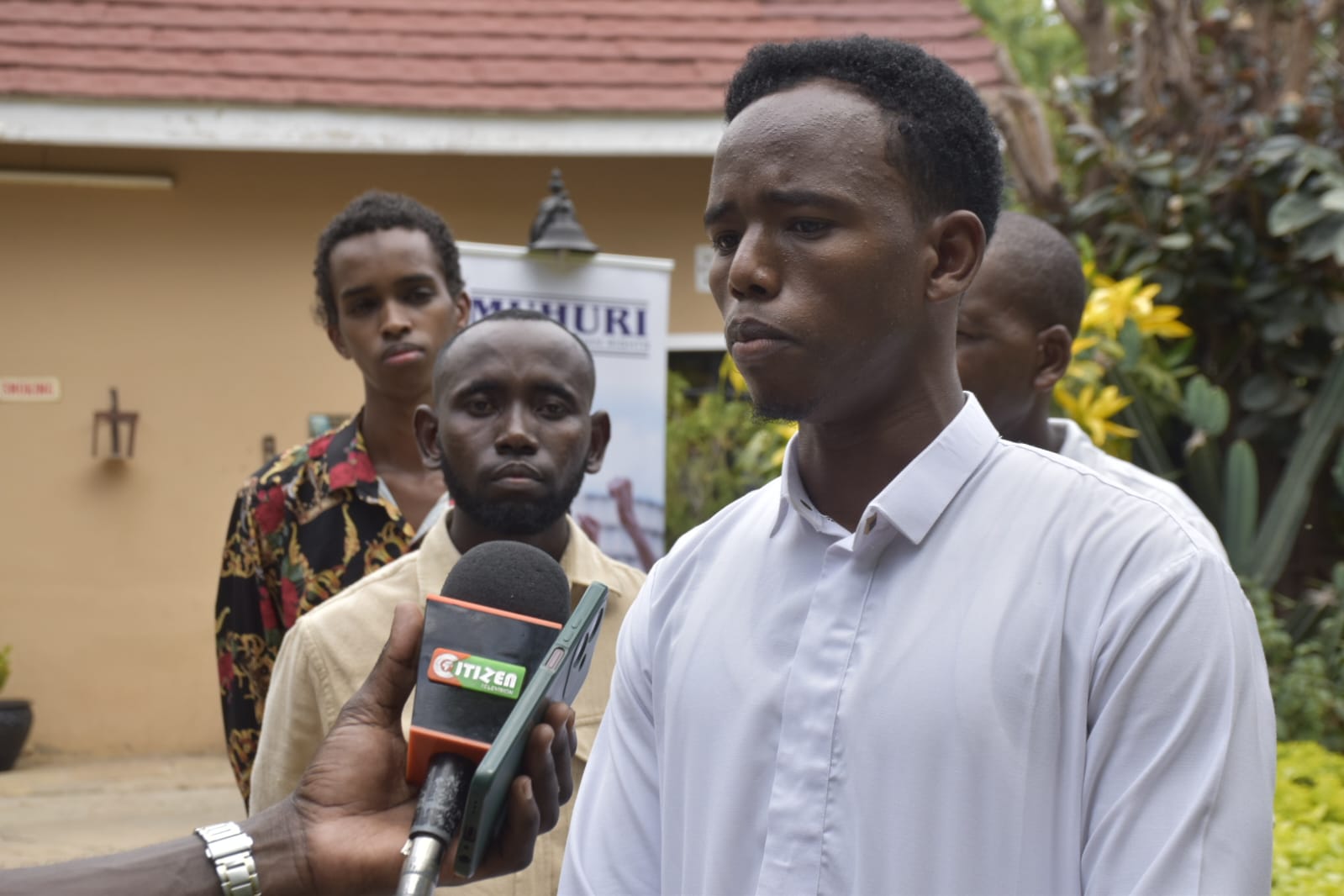 Abdullahi Abdi, a youth leader and peace actor from Garissa
speaking to the press. /STEPHEN ASTARIKO
Abdullahi Abdi, a youth leader and peace actor from Garissa
speaking to the press. /STEPHEN ASTARIKO
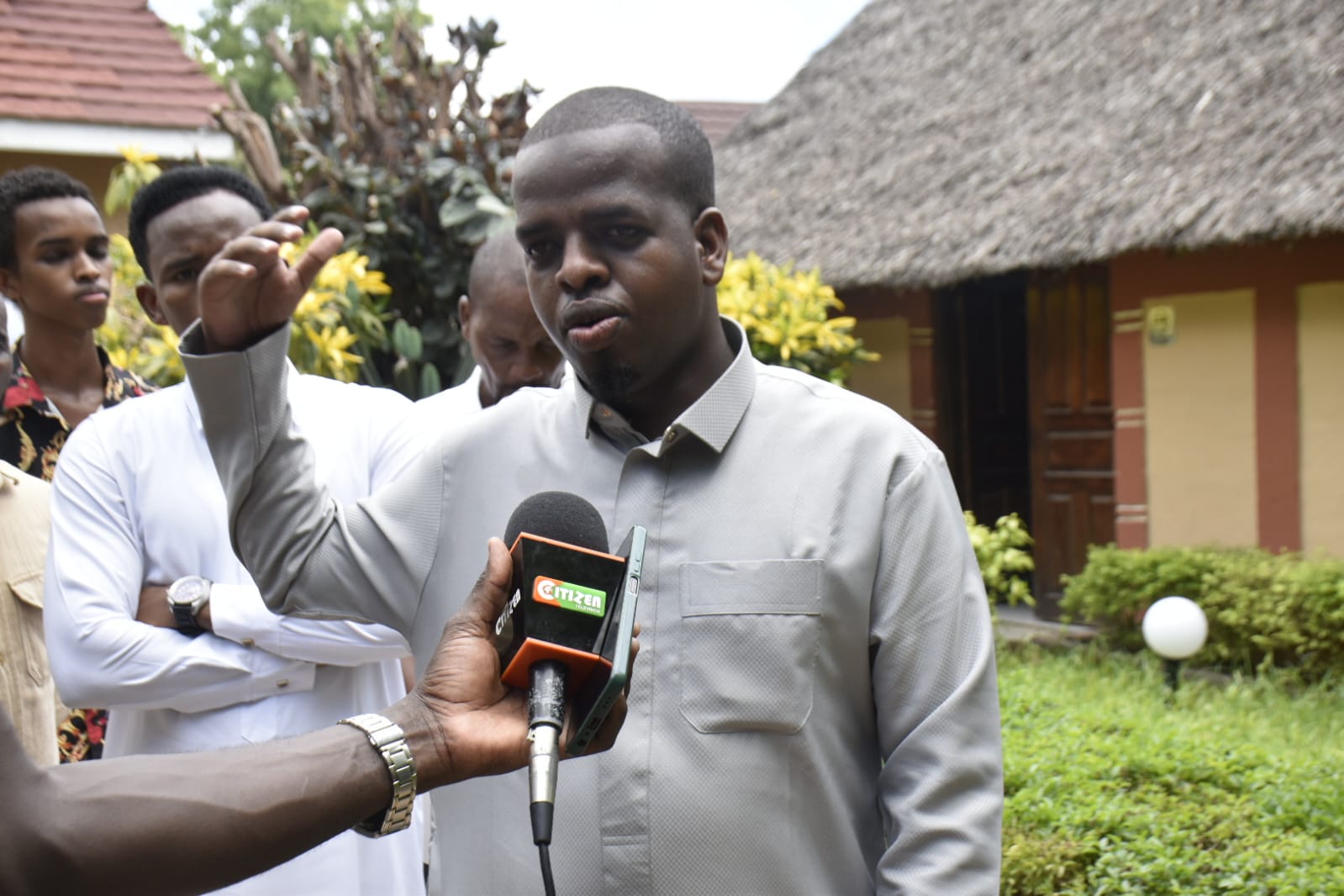 Mohamed Idriss, a youth leader speaking to the press./STEPHEN ASTARIKO
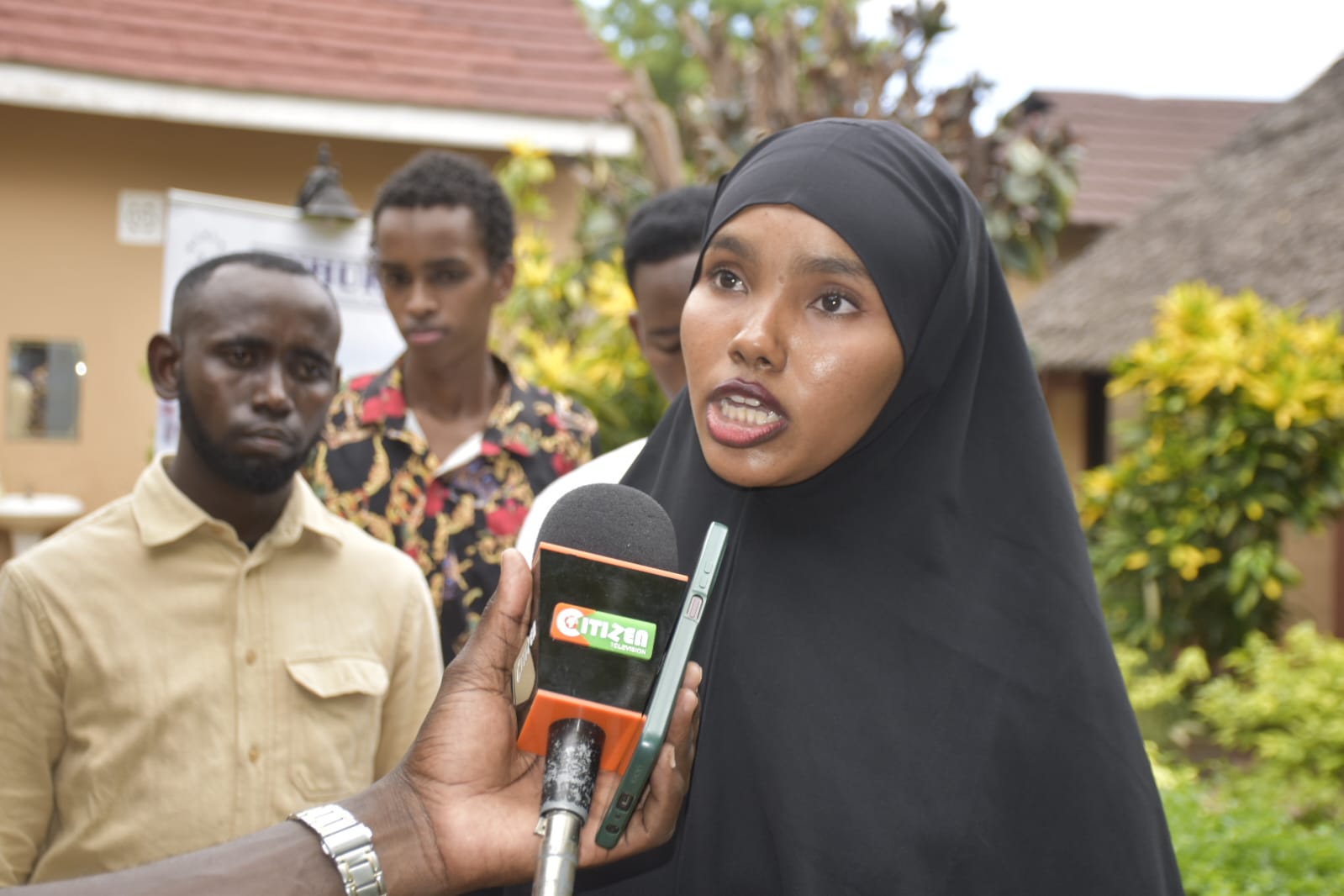 Nimo Iftin a human rights defender based in Garissa. /STEPHEN
ASTARIKO
Nimo Iftin a human rights defender based in Garissa. /STEPHEN
ASTARIKO