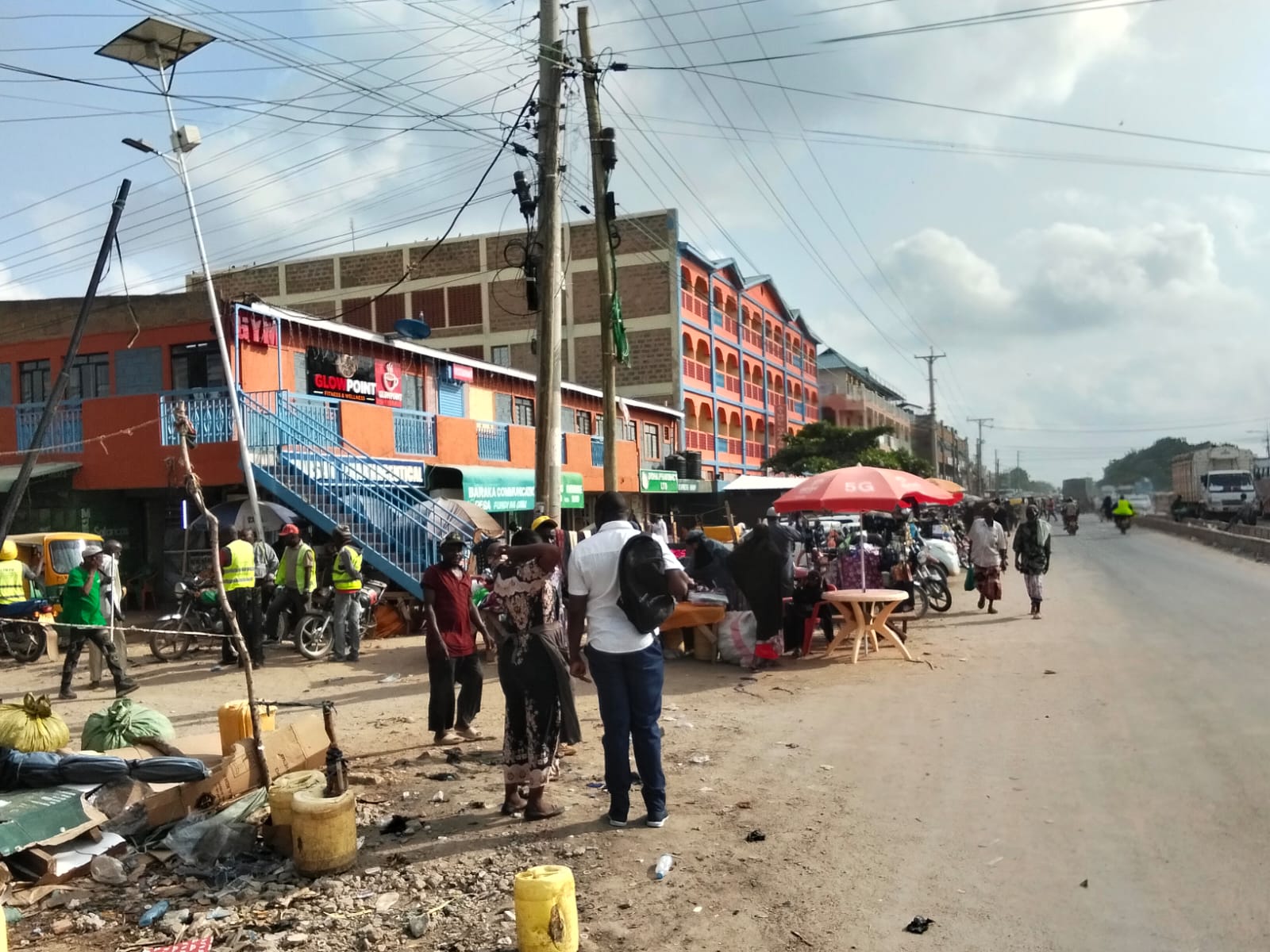
 Residents
of Garissa going about their businesses. /STEPHEN ASTARIKO
Residents
of Garissa going about their businesses. /STEPHEN ASTARIKO
Garissa Township Municipality has rolled out an ambitious Climate and Disaster Risk Framework aimed at strengthening urban resilience as the region grapples with worsening climate shocks ranging from floods and drought to extreme heat.
Supported by the Kenya Urban Support Programme II (KUSP II), the initiative brings together government agencies, humanitarian organisations, technical experts, private sector players and community representatives in a coordinated push to improve disaster preparedness and climate adaptation in the fast-growing municipality.
Speaking at the close of a validation workshop, Municipal Manager Mohamed Osman said the input gathered from stakeholders would be key in shaping practical and inclusive final frameworks tailored to local needs.
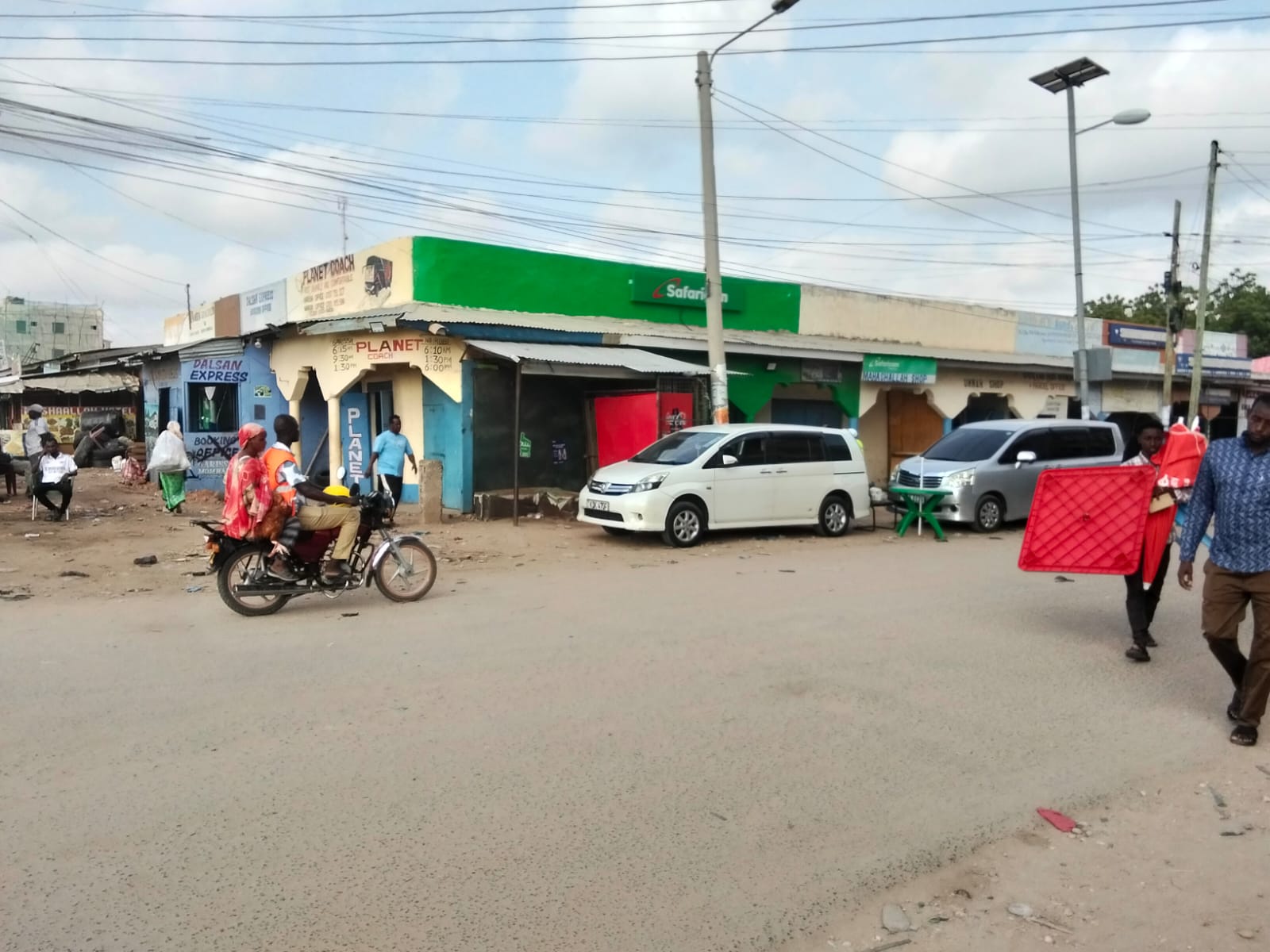 Residents
of Garissa going about their businesses./STEPHEN ASTARIKO
Residents
of Garissa going about their businesses./STEPHEN ASTARIKO
“This workshop demonstrates the importance of collaboration and stakeholder engagement in promoting sustainable urban development, climate resilience, and effective disaster preparedness within Garissa Municipality,” Osman said.
He urged continued partnership among all stakeholders to ensure effective implementation of agreed priorities and action plans, noting that resilience building requires sustained coordination across sectors.
The stakeholder process focused on developing four key instruments: a Disaster Risk Reduction (DRR) Strategy, an Emergency Response Plan (ERP), a Climate Risk Profile, and a Nature-Based Solutions (NbS) Framework for urban infrastructure planning.
According to a joint stakeholder report, Garissa continues to face multiple and overlapping climate risks, including riverine and flash floods, prolonged droughts, extreme heat, water shortages, ecosystem degradation and outbreaks of climate-sensitive diseases.
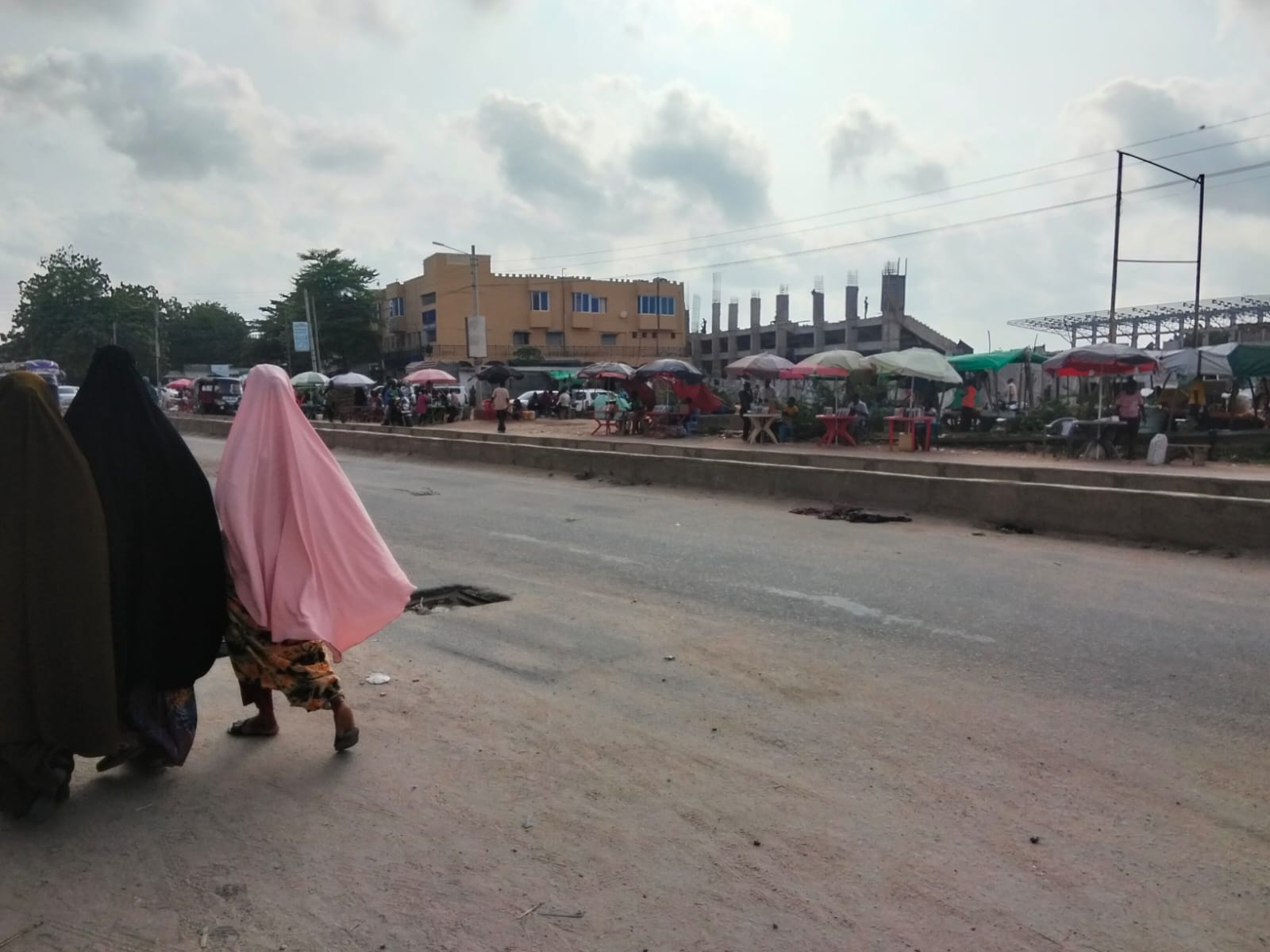 Residents
of Garissa going about their businesses./STEPHEN ASTARIKO
Residents
of Garissa going about their businesses./STEPHEN ASTARIKO
These challenges, stakeholders noted, are being worsened by rapid urbanisation, weak enforcement of land-use regulations, inadequate drainage systems and limited integration of climate data into planning and development decisions.
Technical agencies including the National Drought Management Authority (NDMA) and the Kenya Meteorological Department (KMD), played a central role in shaping the Climate Risk Profile. Their expertise in drought monitoring, early warning systems, weather forecasting and hazard assessment was instrumental in informing the framework.
They emphasised the need to integrate real-time climate information into urban planning to support anticipatory action and reduce disaster impacts.
Environmental institutions such as the Kenya Forestry Research Institute (KEFRI), the Kenya Forest Service (KFS) and the Garissa Million Trees Foundation advocated for Nature-Based Solutions as a sustainable pathway for urban resilience.
Proposed interventions include urban greening, wetland restoration, riparian protection, agroforestry, invasive species control and sustainable drainage systems. These measures are expected to reduce flooding, restore ecosystems, improve water security and mitigate rising urban heat.
The process also placed strong emphasis on inclusivity, with youth groups, women, persons with disabilities, farmers and local business representatives actively involved in shaping the framework. Stakeholders said this would ensure that lived experiences and local knowledge are reflected in both planning and implementation.
The framework further proposes strengthening monitoring and evaluation systems using clear indicators covering flood reduction, ecosystem restoration, infrastructure resilience, water security, early warning coverage and social inclusion.
Officials said the integrated plan provides a roadmap for transforming Garissa into a climate-resilient, environmentally sustainable and disaster-prepared municipality capable of safeguarding livelihoods, infrastructure and ecosystems amid increasing climate pressures.
The initiative is part of wider efforts under KUSP II to promote sustainable urban development and strengthen resilience across municipalities in Kenya.