
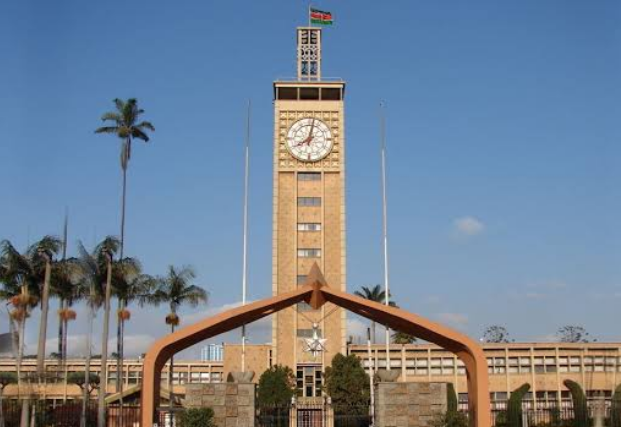
The situation has been especially difficult on days reserved for Cabinet secretaries to appear before the Senate for Question Time. Instead of structured accountability sessions, proceedings are frequently derailed by a lack of quorum or the absence of officials expected to respond to senators’ queries.
The combined problem of absent senators and non-attending cabinet secretaries has significantly weakened the Senate’s oversight role. Question Time, once regarded as a key accountability tool, is losing impact as delayed responses become irrelevant to evolving issues.
“When they finally appear, often months later, their responses are stale because events have already overtaken the issues,” a senator told the Star, expressing frustration.
Sessions are often adjourned before they even begin due to insufficient numbers or failure by invited witnesses to attend. Cabinet secretaries, principal secretaries, heads of state corporations and governors have increasingly skipped appearances, frustrating lawmakers and stalling oversight work.
“This trend is unacceptable. We summon officials here to answer to the people, not to play hide and seek with Parliament,” a committee chairperson said.
However, persistent quorum failures in plenary sittings have drawn the most criticism. Data shows since February, the Senate has adjourned at least five sittings due to insufficient numbers or absence of senators scheduled to move business.
In several instances, the House has proceeded without Question Time after cabinet secretaries failed to appear. Ironically, chief whips and their deputies, responsible for mobilising members, have also occasionally been absent.
“We cannot continue blaming the Executive when we ourselves are not present to transact business. It is a collective failure,” another senator admitted.
To strengthen oversight, the Senate recently revised its Standing Orders to introduce Wednesday morning sittings dedicated to Ministerial Question Time. However, the reform’s intended gains are yet to be realised due to the ongoing attendance crisis.
On Wednesday last week, Speaker Amason Kingi directed orderlies to ring the quorum bell for several minutes in an attempt to secure the minimum numbers required to transact business. The effort failed, leading to adjournment.
“Honourable senators, there being no quorum and having rung the bell pursuant to Standing Order No 40(2), the Senate stands adjourned until later today,” Kingi ruled.
That day, Labour and Social Protection CS Alfred Mutua was present and ready to respond, while Mining, Blue Economy and Maritime Affairs CS Hassan Joho had sent apologies.
The pattern has been consistent. On March 4, proceedings failed due to a lack of quorum despite the presence of Agriculture CS Mutahi Kagwe and Youth Affairs, Creative Economy and Sports CS Salim Mvurya.
“It is disheartening to come prepared to answer questions only to find there is no House to address,” a government official said.
A similar scenario occurred on February 11. On March 25, the House was adjourned due to the absence of senators designated to move business, even though three Cabinet Secretaries had been scheduled.
On April 1, the Senate again failed to raise a quorum, affecting appearances by Trade CS Lee Kinyanjui, Agriculture CS Kagwe and East African Community CS Beatrice Askul.
Non-attendance by cabinet secretaries has compounded the crisis. On April 22, Cooperatives CS Wycliffe Oparanya failed to appear in plenary, while earlier in March, Oparanya and Kinyanjui skipped committee sessions. Joho also missed a mid-March sitting, while the Education CS was absent on February 25.
The situation is even more acute in committees, where detailed scrutiny is undertaken. Meetings are frequently cancelled due to lack of quorum, while summoned officials often ignore invitations without immediate consequences.
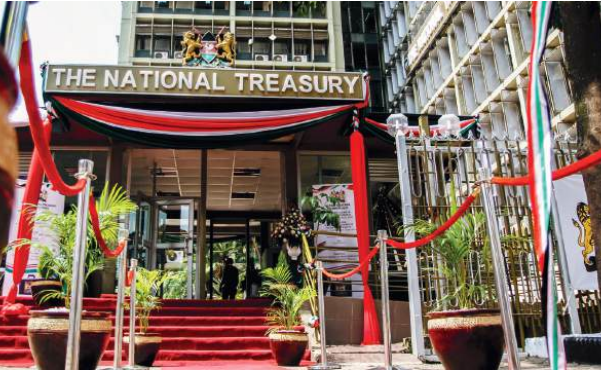
National Treasury CS John Mbadi has faced repeated summons by the Finance and Budget Committee and threats of fines of up to Sh500,000, as well as possible censure, over failure to appear on issues including the stalled rural electrification programme and delayed pensions.
“We cannot allow public resources and critical programmes to stall because officials refuse to appear before this House,” a committee member said.
CS Kinyanjui has also clashed with the Trade Committee over repeated failure to honour summons since early 2025.
Despite these challenges, the Senate is grappling with a heavy legislative backlog. Currently, 64 Bills are pending, with 47 at second reading, 16 at Committee of the Whole, and one awaiting first reading. In addition, 17 motions and 18 petitions remain unresolved, while 15 petitions await committee reports, and 503 statements are pending.
“The backlog is growing daily. If this continues, we risk paralysing the Senate’s legislative function,” a parliamentary insider warned.
Parliamentary observers say urgent enforcement of attendance rules and political discipline will be necessary to restore public confidence and ensure timely scrutiny of government policy and expenditure across all sectors, going forward, effectively sustained.



Comments 0
Sign in to join the conversation
Sign In Create AccountNo comments yet. Be the first to share your thoughts!