
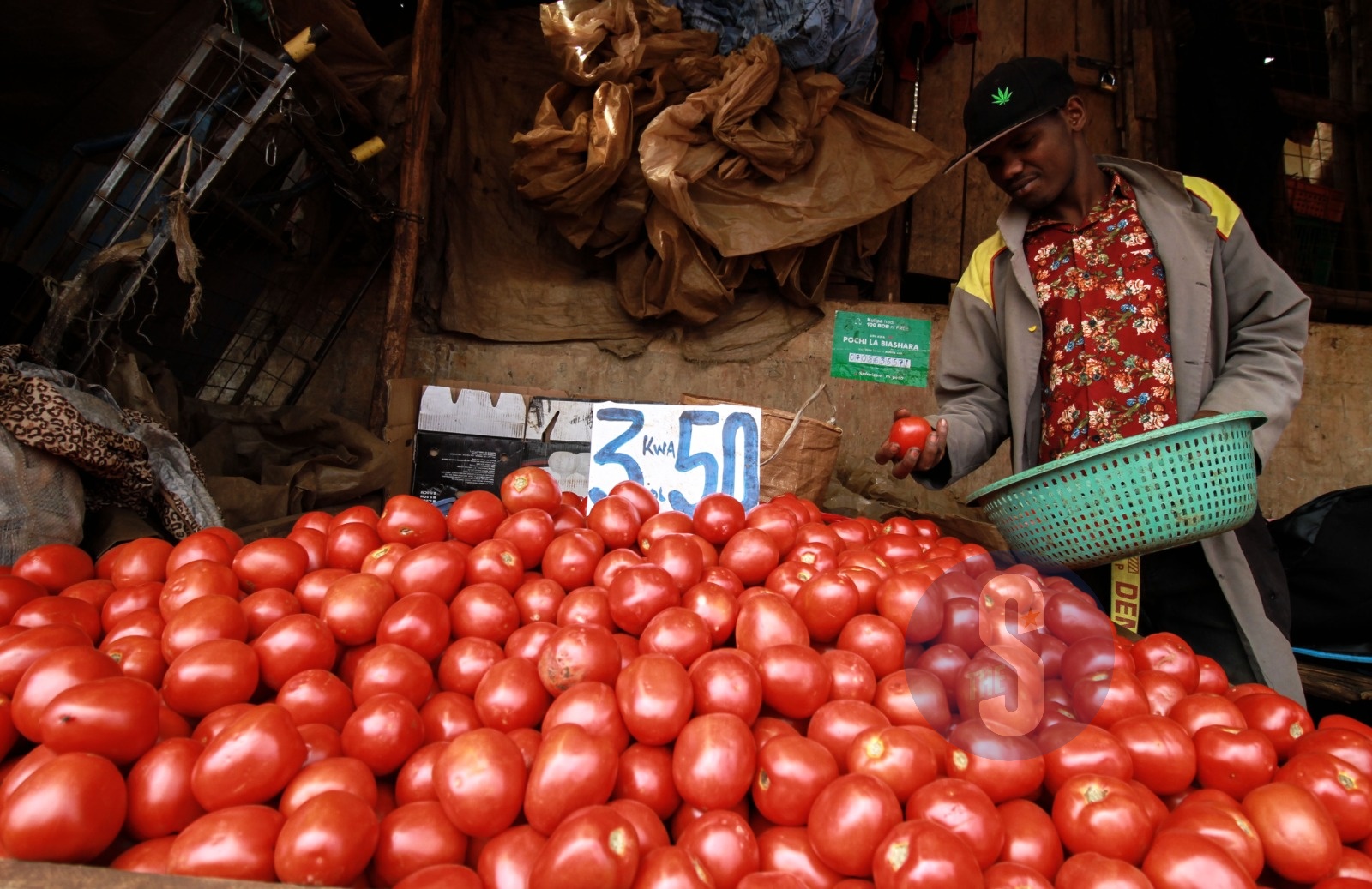
As tomato prices continue to rise across the country, many Kenyan households are quietly changing the way they cook, swapping the once-essential ingredient for cheaper and more accessible alternatives.
For some families, the adjustment has meant abandoning tomatoes altogether and rediscovering spices, onions and traditional cooking methods to keep meals affordable.
What was once considered a basic kitchen staple is now increasingly becoming a luxury item for ordinary consumers struggling with the high cost of living.
“This is now a full ‘tomato economy’,” joked social media user Chrixie. “You hold one tomato like an egg and use it carefully. Stew has officially become a luxury.”
Others say they have shifted completely to vegetables like carrots and beetroot, which they say are more affordable and easier to stretch across several meals.
“I haven’t used tomatoes since the prices hiked. I now use carrots and beetroot,” user Kabiro said.
Joyce, another consumer, echoed the sentiment saying: “I migrated to carrots.”
With fresh tomatoes increasingly becoming expensive for ordinary households, many consumers say seasoning cubes, onions and spices are helping maintain flavour in meals that would traditionally require tomatoes.
Tomato prices in Kenya have recently surged to record highs, with individual tomatoes retailing at between Sh15 and Sh25 in some markets, depending on size and location.
The high prices have largely been attributed to reduced supply caused by heavy rains that damaged crops in key farming regions, reduced planting following previous market losses during periods of oversupply, pests and diseases affecting production, as well as rising transportation costs.
For many consumers, adapting has become less about preference and more about survival.
“We must buy spices. Nunua Royco cubes,” Millicent said.
Another user, Faith, noted that onions combined with seasoning cubes can still make a decent meal even without tomatoes.
“Onions and cubes will work,” she said.
For Emilly, tomatoes are no longer necessary in home cooking.
“People are still using tomatoes? Food at home does not have to have tomatoes,” she said.
“I use onions and water, then if I get turmeric, ginger, garlic and paprika mix, I use it for two weeks.”
The shift is also exposing how deeply tomatoes had become embedded in cooking, particularly in stews, sukuma wiki, beans, rice and wet-fried dishes where tomatoes are often considered essential for colour, thickness and flavour.
However, some households are now rediscovering alternative ways of cooking that rely more on spices, indigenous vegetables and natural flavour combinations.
Others believe the current shortage also points to the need for longer-term solutions in food production.
“People should put up greenhouses,” said Eusila, referring to controlled farming methods that can help stabilise tomato supply during harsh weather conditions and unpredictable climate patterns.
Some Kenyans are already preparing for an even bigger shift toward processed alternatives if prices continue rising.
“We are going to use tomato sauce soon,” Shila said.
The changing cooking habits highlight how households are adapting to rising food costs by improvising with ingredients that are cheaper, easier to stretch and still provide flavour.
Nutritionists say while tomatoes are an important source of vitamins and antioxidants, households can still maintain balanced diets by incorporating other vegetables, fruits, spices and indigenous foods into their meals.
Nutritionist Lucy Chege says although tomatoes are beneficial to the diet, households should not panic because the nutrients found in them can still be obtained from other foods.
“Tomatoes are packed with powerful antioxidants like lycopene, which help keep our immune system high,” she said.
Chege explained that nutrients commonly associated with tomatoes can also be acquired from foods such as red capsicum, commonly known as hoho, watermelon and other vegetables.
“It is time households start practising diversification. The use of tomatoes should not be a comfort zone,” she said.
According to Chege, the current situation presents an opportunity for families to explore wider food options and improve diversity in their diets.
She recommended blending different types of hoho to create paste-like alternatives, while also incorporating carrots, courgettes and other vegetables into meals.
“Every food item offers a unique nutrient. When combined together, they help the body absorb nutrients even better,” Chege said.
She noted that replacing tomatoes temporarily is unlikely to negatively affect diet quality if households intentionally embrace other nutritious foods.
“This is the time to explore other food items that can be used in place of or together with tomatoes,” she said.
“Nutrients from tomatoes can still be found in foods like hoho and watermelon.”
Chege further encouraged households to return to local and indigenous foods, saying they remain affordable, accessible and highly nutritious despite rising food prices.
“Sticking to our local cereals and kienyeji vegetables can supply the body with essential nutrients,” she said.
She, however, cautioned against over-reliance on highly processed substitutes such as excessive seasoning cubes and processed sauces.
“Our bodies function better when given natural foods as the source of nutrients,” she said.
“Highly processed alternatives might cause stomach irritation, which can progress to ulcers or other conditions.”
Chege advised families struggling with rising food costs to focus on intentional meal planning rather than relying solely on convenience foods.
“Be intentional about eating healthy. Having a well-planned meal plan is one step toward cooking a balanced meal,” she said.