

In the early 2000s, as China accelerated its economic ascent following its World Trade Organisation accession, Africa stood at a crossroads of postcolonial promise and persistent underdevelopment. Trade between the two sides was modest, at just about $10 billion in 2000. By last year, it had surged to about $348 billion, with China entrenched as Africa’s largest trading partner for more than 14 years. This partnership ¾ blending resource exchanges, infrastructure mega projects and strategic diplomacy - has reshaped Africa’s economic landscape. As we reach 2026, with new zero-tariff policies taking effect, the relationship enters a maturing phase that could accelerate Africa’s industrialisation.
The surge in Africa-China trade and economic ties has been propelled by mutual economic imperatives. For China, rapid industrialisation created huge demand for raw materials such as oil, minerals, metals and fuels, which now comprise about three-fifths of African exports to China. Beyond resources, Africa offered China a growing market for manufactured goods, electronics, machinery and infrastructure expertise. Post-2000 reforms and the ‘Go Global’ strategy encouraged Chinese firms to seek opportunities abroad.
On the African side, the partnership addressed critical gaps left by traditional Western donors, who often tied aid to governance reforms or human rights conditions. Many African leaders welcomed China’s no-strings-attached approach, emphasising mutual benefit and non-interference. China’s model of state-backed financing filled Africa’s massive infrastructure deficit, estimated at $100 billion annually; enabling projects that multilateral lenders sometimes deemed too risky or requiring too much time. Commodity booms in the 2000s amplified this synergy, as rising prices funded African imports while feeding Chinese factories.
Geopolitical shifts further accelerated ties. China’s need for energy security and diplomatic support aligned with Africa’s quest for diversified partnerships beyond former colonial powers. The Forum on China-Africa Cooperation, established in 2000, serves as the cornerstone. Triennial summits and ministerial conferences provide platforms for pledges, action plans, and coordination.
The Belt and Road Initiative, launched in 2013, formalised this by channelling investments into connectivity, positioning Africa as a key node in China’s global supply chains. Recent evolutions include emphasis on private sector involvement, green development and digital cooperation, reflecting China’s domestic shifts toward high-quality growth and Africa’s push forvalue addition.
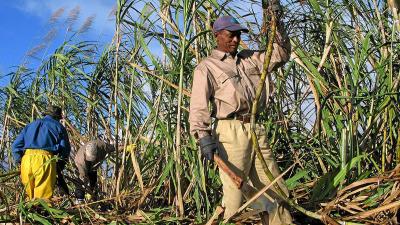
In 2026, China’s zero-tariff policy for goods from 53 African countries strongly signals a pivot toward trade facilitation and market access for African exports such as agriculture and processed goods.
The outcomes of the partnership are impressive in scale. Trade volume has exploded while Chinese FDI flows rose from negligible levels of $75 million in 2003 to peaks of around $5billion. On the infrastructure front, more than 100,000km, more than 12,000km of railways, dozens of ports, power facilities, hospitals and schools have been realised. These have reduced transport times, boosted connectivity, and stimulated local economies. Chinese contracting firms dominate, often delivering projects faster than companies in other countries.
By 2026, the partnership shows signs of maturation. Lending has cooled to selective, high-quality projects; focus is shifting to manufacturing, green tech and digital. The China-Africa economic story from 2000-2026 exemplifies pragmatic South-South cooperation. It has delivered infrastructure Africa desperately needed, fuelled trade growth and supported economic expansion where traditional partners hesitated.
This partnership, for all its imperfections, has undeniably accelerated Africa’s integration into global value chains and contributed to growth, job creation and poverty reduction. Continued success will reward pragmatic governance, strategic negotiation and investments in human capital. As China emphasises win-win modernisation and Africa pursues self-reliance, the next decade offers opportunity for the two sides to further deepen trade and economic cooperation.
The writer is a scholar of international relations with a focus on China-Africa development cooperation. X: @Cavinceworld






Comments 0
Sign in to join the conversation
Sign In Create AccountNo comments yet. Be the first to share your thoughts!