
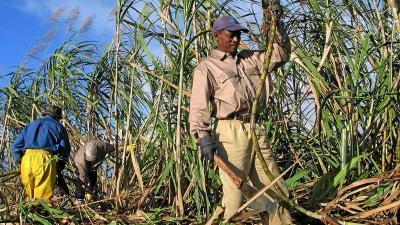
For 24 years, Kenya’s sugar sub-sector survived behind the Common Market for Eastern and Southern Africa(COMESA) safeguard. It wasn’t perfect, but it kept us breathing. That shield was officially lowered on November 30 last year, making us step into the free market naked.
What did our government do to prepare us for exiting COMESA? Nothing. Worse than nothing — it opened the floodgates.
Today, Western and Nyanza, the heart of Kenya’s sugar belt, are bleeding from two wounds. One is economic. The other could be fatal.
Wound 1 is the price cut that feels like a stab. In April, the Kenya Sugar Board slashed cane prices from Sh5,750 to Sh5,500 per tonne. The reason given: “The market is flooded with cheap imports. Mills cannot sustain higher prices.”
That sounds like market reality until you ask one question: who flooded the market?
The answer: KSB itself.
KSB, being the sole issuer of sugar import licenses under the Sugar Act No. 11 of 2024, opened the gate, let in cheap sugar, watched local mills choke, then turned to the farmer and said, “Sorry, we must cut your pay.” This is not economics. This is arson and firefighting by the same hand.
As a matter of fact, KSB was not justified in cutting prices because you cannot stab the farmer with imports and blame him for bleeding. You cannot remove the Comesa shield on November 30, flood the market by January, then punish farmers by April and call it “policy”. That is betrayal. Plain and simple.
Wound 2 is the poison in our tea, where the crisis is no longer just about farmer incomes. It’s now about public health. Credible reports indicate that Sh3 billion worth of industrial sugar meant for factories, for brewing, for pharmaceuticals - not for human consumption ¾ has entered Kenya, then allegedly was repackaged, branded “domestic” and pushed to supermarkets.
Industrial sugar contains sulphur dioxide, heavy metals and other residues that, when consumed daily, attack the liver, kidneys and increase cancer risk. We are feeding it to children in porridge. We are stirring it into tea for the sick and elderly.
If this continues, cancer wards will be full. Dialysis centres will overflow. And the same government that cut cane prices will be asking taxpayers to fund treatment for a disease it allowed in.
President William Ruto promised to protect farmers and promised to protect Kenyans, but right now, that is not the case.
On the other hand, the cartel, web follows the money, does just that, and it’s not incompetence. It is designed.
First, cartels ship in duty-free sugar or mis-declared industrial sugar. Third, they crash local prices, forcing mills to cut cane rates. Fourth, farmers uproot cane and lease land at throwaway prices per acre. Fifth, in two to three years, mills will collapse, and the same cartels will buy them for pennies.
Here is the endgame if we don’t rise up to say no to control of Kenya’s 1.1 million-tonne sugar market: the farmer loses land, the consumer loses health, and the cartel wins.
When did we normalise gambling with people’s lives for a few shillings? The current situation is wanting where the sector is on life support with mills crushing below 40 per cent of capacity because there’s no cane, and the farmers have abandoned the crop. Here, we are manufacturing rural poverty.
If sugar dies, six million Kenyans in the sugar belt lose their livelihoods. That’s not a farming problem. That’s a national security problem and a ban on all sugar imports must be immediate. Parliament must direct the Ministry of Agriculture to suspend all sugar imports for 12 months or until local mills are crushing at 80 per cent of capacity.
KSB should also conduct a forensic audit of all licenses issued since December 1 last year, and close the taps for importation, since it is the one that caused the flood.
The writer is a journalist and a media consultant. [email protected]



Comments 0
Sign in to join the conversation
Sign In Create AccountNo comments yet. Be the first to share your thoughts!