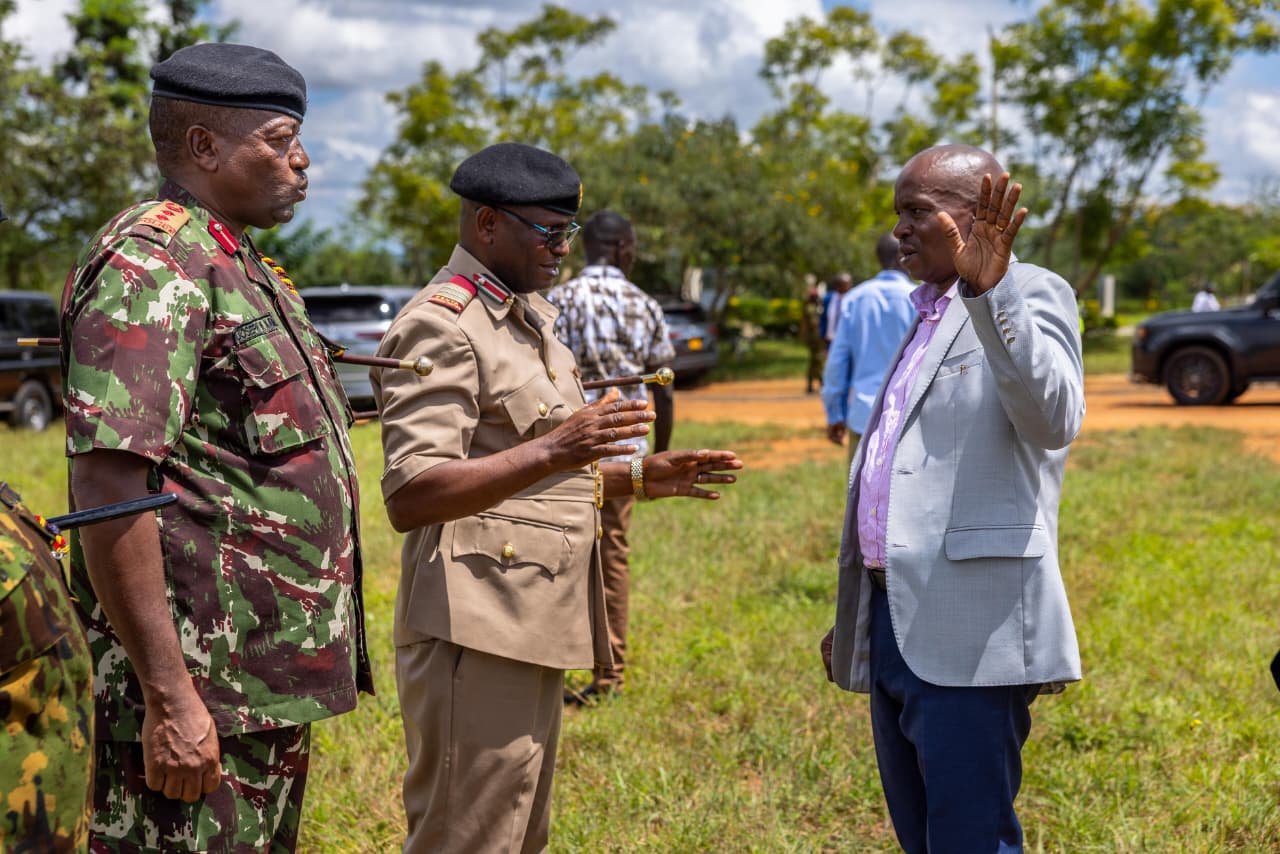
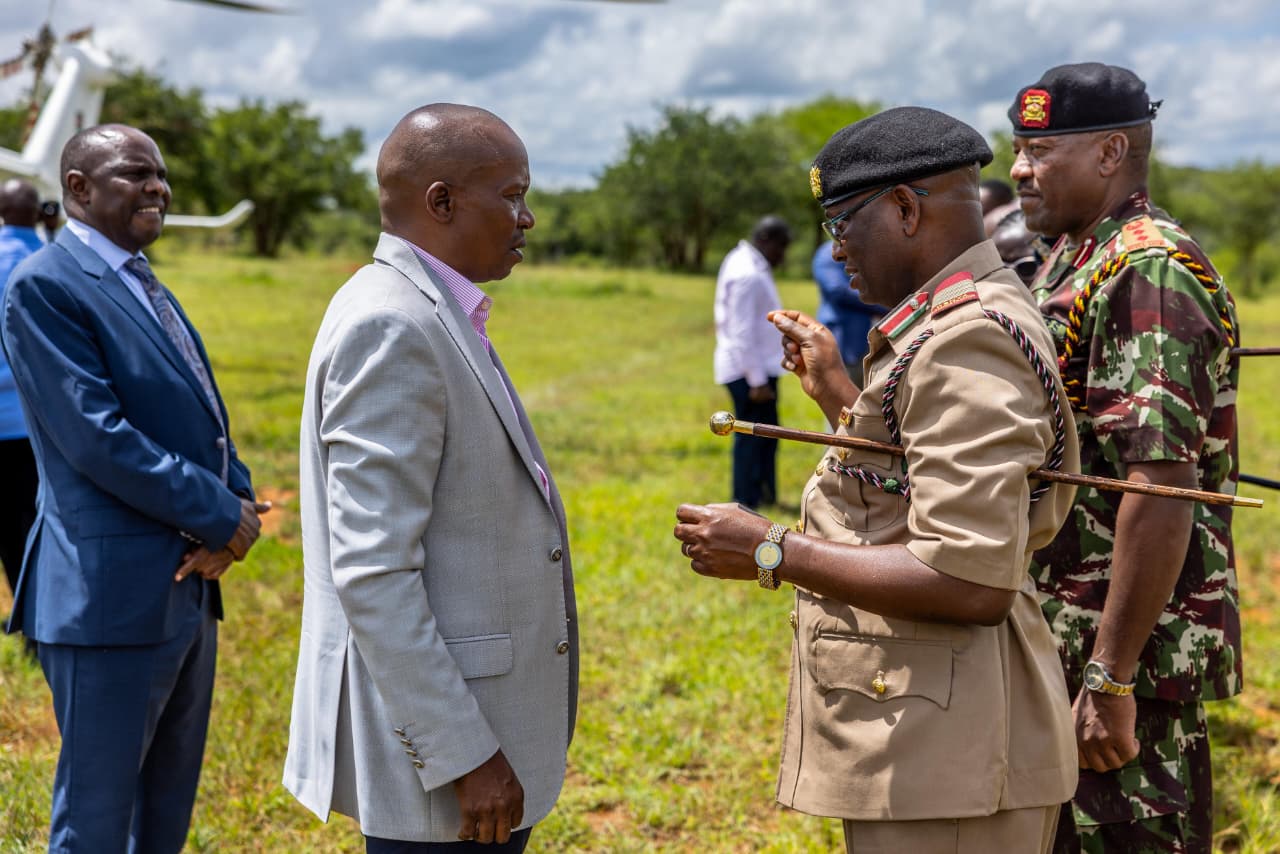
Deputy President Kithure Kindiki has assured residents of Kitui county that the government will restore lasting security in the region.
This comes after a series of deadly inter-community attacks that have left several people dead and heightened tensions in the region.
Kindiki said security agencies have been placed on high alert and directed to intensify operations to prevent further violence, warning that the latest killings will not be treated as isolated incidents.
“I want to assure the people of Kitui that the government will ensure they are safe. The government has directed all those responsible for security to ensure the latest incident is not treated as an isolated case,” he said.
He spoke on Wednesday after attending the 3rd Annual Regulatory Authorities and Agencies Conference at South Eastern Kenya University.
The Deputy President said the government is pursuing both immediate and long-term interventions to address the recurring clashes, which have been linked to competition over resources and retaliatory attacks between communities.
He warned that criminal elements exploiting such conflicts will face firm action.
“The same way we have been able to suppress banditry and terrorism significantly, we will do the same to crack down on those hiding in resource conflicts to perpetuate crime,” Kindiki said.
He added that no one will be shielded from accountability, regardless of their position.
“If a political leader or a government official is involved, then action will be taken against them because crime is crime and is punishable by law,” he said.
The renewed assurances come in the wake of a series of violent incidents in Tseikuru Subcounty that have triggered fear and displacement among residents.
In April, the National Police Service confirmed that at least seven people were killed in a suspected retaliatory attack in Kwa Kamari area, with authorities linking the violence to an escalating cycle of revenge between members of the Kamba and Somali communities.
Police said the clashes began on March 29 when a herdsman was killed near Mwingi Game Reserve, followed by a retaliatory attack a day later that left four members of the Somali community dead.
The situation escalated further on April 25 when gunmen attacked villagers, killing seven people in what investigators believe was a revenge mission.
Police spokesman Michael Muchiri described the killings as “senseless and needless,” warning that the pattern of retaliatory violence must stop.
Following the attacks, Inspector General Douglas Kanja deployed a high-level security team to the area led by Deputy Inspector General Eliud Lagat to oversee operations and stabilise the region.
Authorities have since increased patrols and dispatched additional personnel as part of a broader effort to contain further violence and pursue those responsible.
Security agencies have also cited logistical challenges in responding to attacks, including poor road infrastructure and limited communication networks, which have slowed response times in remote areas.
The region has experienced repeated clashes in recent months, with previous incidents leaving dozens dead and displacing hundreds of residents.
Authorities have linked the violence to competition over pasture and water, worsened by prolonged drought conditions.
Kindiki said the government is aware of the underlying causes of the conflict and is working towards a sustainable solution.
He emphasised the need for coordination between security operations and long-term measures to address resource-based tensions, including disarmament efforts and community engagement.
The government has previously rolled out disarmament campaigns in affected regions as part of efforts to curb the proliferation of illegal firearms and reduce violence.
Residents and local leaders have been urged to exercise restraint and cooperate with security agencies as investigations into the recent attacks continue.