Kilifi-based table tennis coach Audrey Oronda is intent on using her selection to the IOC Young Leaders Programme to confront stigma and unlock sport-driven social change.
Oronda noted that in Kilifi, many people living with Parkinson’s disease remain hidden due to community perceptions, a reality she believes can be dismantled through sport as she steps onto the global stage.
Advertisement
Advertisement
Parkinson’s disease is a progressive nervous system disorder that affects movement, often causing tremors, stiffness, slowness of movement (bradykinesia) and balance challenges due to the loss of dopamine-producing brain cells.
While there is no cure, medication, therapy and lifestyle adjustments—particularly exercise—help manage symptoms.
The National Olympic Committee of Kenya formally marked Oronda’s inclusion in the 2025–2028 cohort during an event at Kilifi County offices presided over by IOC Member and NOC-K President Paul Tergat, alongside Secretary General John Ogolla
Oronda joins a select group of 26 young leaders chosen from 5,270 applicants across 169 countries.
Her selection is anchored on a proven track record that blends performance and purpose.
She is a current national table tennis player and a certified Level 2 coach under the International Table Tennis Federation.
Oronda said the opportunity places responsibility on young leaders to extend sport beyond competition.
“
This is a platform to show how sport can be used to build confidence, promote inclusion and create real change in communities,” she said.
Advertisement
Advertisement
Her credentials complement grassroots work as founder of aTTain Table Tennis, a community-based initiative focused on inclusion and health-oriented engagement through sport.
Within the IOC Young Leaders Programme run by the International Olympic Committee, Oronda will undertake a four-year structured pathway that offers mentorship, seed funding and institutional backing to design and implement sport-for-development projects.
Her immediate assignment links directly to the Dakar 2026 Youth Olympic Games, where she will operate from the Athlete365 House within the Youth Olympic Village.
She will facilitate athlete-centred sessions on well-being, inclusion and life beyond competition, while also executing outreach programmes within host communities in Dakar, effectively bridging elite sport and grassroots impact.
Oronda’s pathway into the programme reflects both competitive merit and project viability, with applicants assessed on leadership potential, sustainability of proposed initiatives and measurable community outcomes—areas where her work in Kilifi stands out.
In particular, programmes supporting people living with Parkinson’s disease and their caregivers demonstrate a clear model of sport intersecting with health and social inclusion.
The impact on Kenyan sport is expected to extend beyond representation to knowledge transfer and system strengthening.
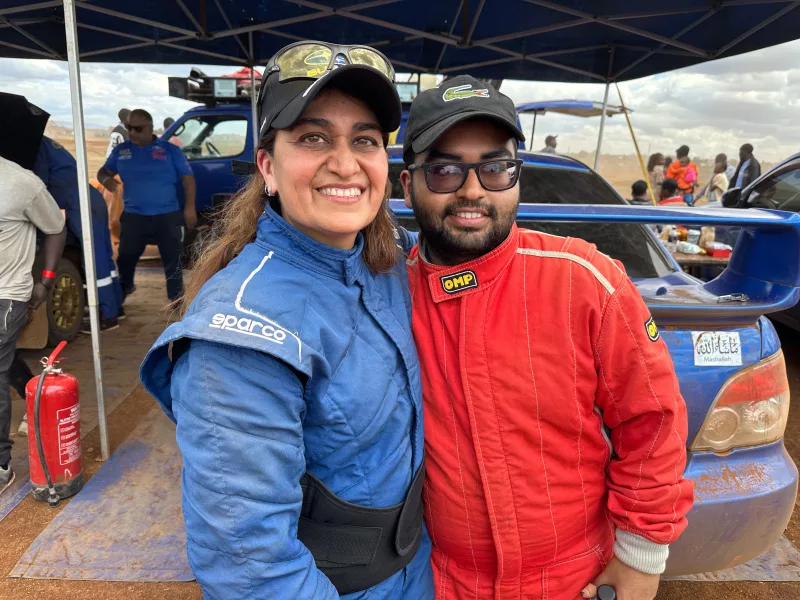
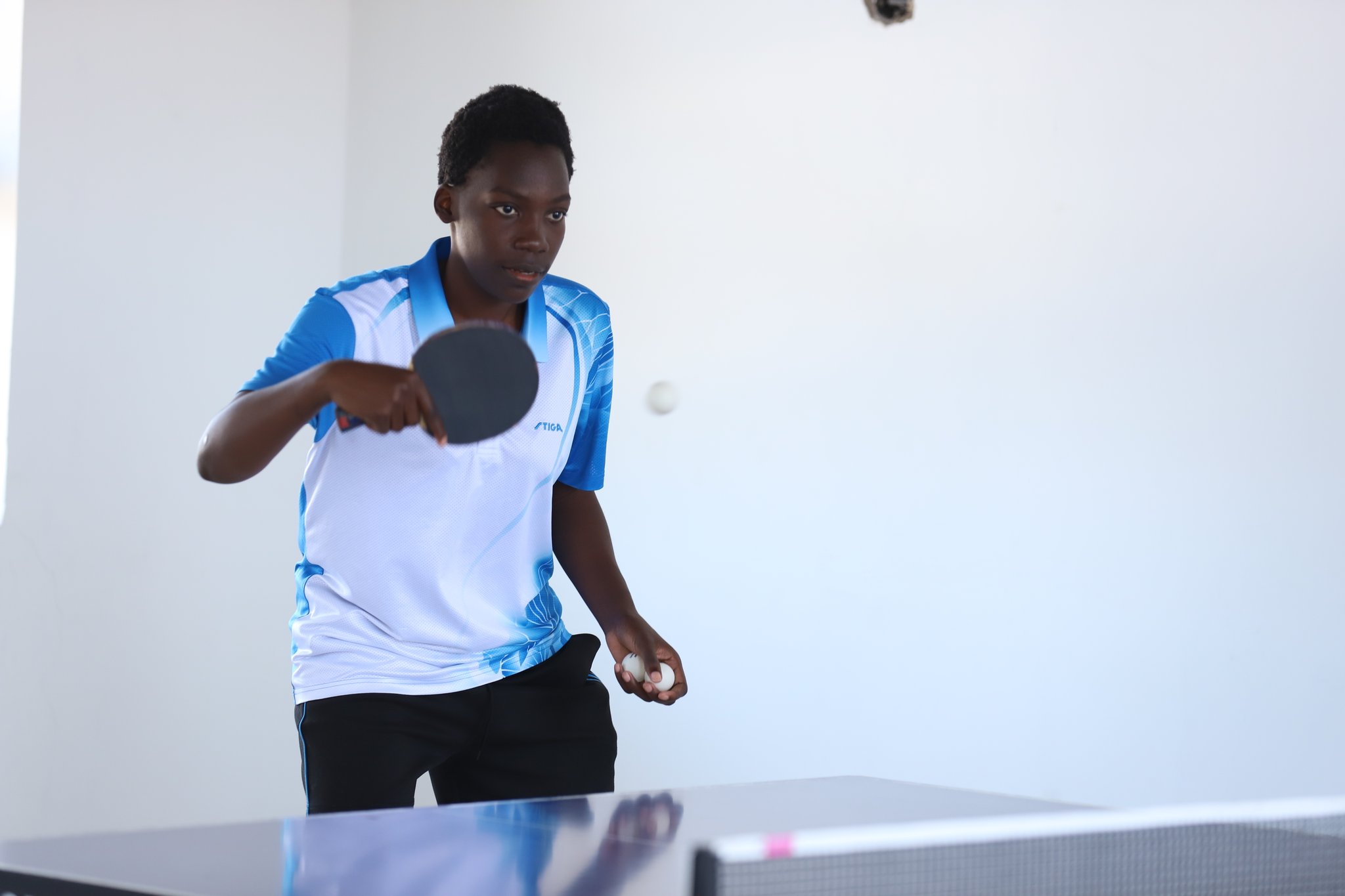 Kilifi's table tennis coach, Audrey Aronda/ HANDOUT