 Condoms
In December last year, Sharon Nalianya walked into her local clinic in Nairobi’s Kawangware estate expecting to receive her routine contraceptive injection. Instead, the nurse told her the supplies had run out.
The 28-year-old mother of three returned a few days later, hoping the situation had changed. It had not.
“I started worrying because I cannot afford another pregnancy right now,” she says.
“You find women giving up and saying they will just wait.”
New government data suggests Nalianya’s experience was not isolated.
Kenya recorded a sharp decline in the uptake of most modern contraceptive methods in 2025, raising concerns that years of progress in family planning may be slowing.
The Economic Survey 2026, released on Wednesday, says fewer women sought injections, pills, implants and sterilisation services in health facilities compared to the previous year.
“During the review period, most methods recorded declines, with uptake of family planning injections declining by 10.9 per cent in new clients and 8.6 per cent for revisits,” the survey says.
“The uptake of combined oral contraceptive pills declined by 29.9 per cent for new clients and 22.7 per cent for revisits.”
Injectable contraceptives, Kenya’s most commonly used family planning method, saw one of the biggest drops. New users fell from about 693,000 in 2024 to 618,000 in 2025.
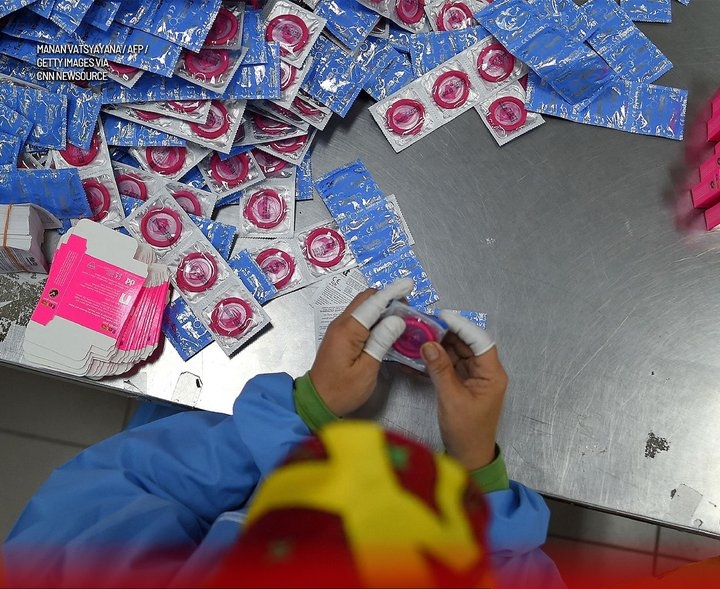
Condom uptake also declined sharply, with male condom use dropping by nearly 20 per cent.
The figures mark a worrying shift for a country long viewed as one of Africa’s family planning success stories.
Kenya steadily expanded access to contraceptives through public hospitals, community health volunteers and donor-funded programmes over the past two decades.
Modern contraceptive use among married women more than doubled over that period, helping reduce unintended pregnancies and maternal deaths.
But health experts say the system is now under pressure as donor funding shrinks and the government struggles to fill the gap.
Family planning in Kenya has historically depended heavily on support from donors such as USAID, the UK government and the Gates Foundation.
Family planning had been a priority since the US Agency for International Development was first established in 1961.
A 2021 agreement between the Ministry of Health and donors envisioned Kenya fully financing contraceptive commodities by the 2025-26 financial year. But funding has repeatedly fallen short.
The US has completely cut off Kenya from family planning support.
Congress in 2024 actually appropriated funds ($575 million [about Sh74 billion] for family planning and reproductive health internationally) for this work, but the administration did not spend it.
Asked at a Congressional hearing about appropriations for family planning in May 2025, Secretary of State Marco Rubio said, "There's no plan to spend that money. We're not going to be in that business globally. We're not going to do it."
In their Budget Request for fiscal year 2027, released this month, the current officials again targeted contraception as an area to cut in the global health budget, saying "the United States should not pay for the world's birth control".
And in a list of eliminated activities, it highlighted "providing condoms and contraception in Kenya".
The accompanying FY27 Congressional Budget Justification provides an explanation, saying "the budget eliminates global health activities that do not make America safer, such as family planning and reproductive health."
Health advocates warn the consequences could extend far beyond clinics.
Without reliable access to contraceptives, experts fear Kenya could see more unintended pregnancies, unsafe abortions and maternal deaths, especially among poor and young women.
The Economic Survey already points to another worrying sign: pregnancies among girls aged 10 to 14 increased in 2025.
For women like Nalianya, the debate about budgets and donor funding feels deeply personal.
“You plan your life based on these services being there,” she told the Star.
“When they disappear, it is women who carry the burden.”