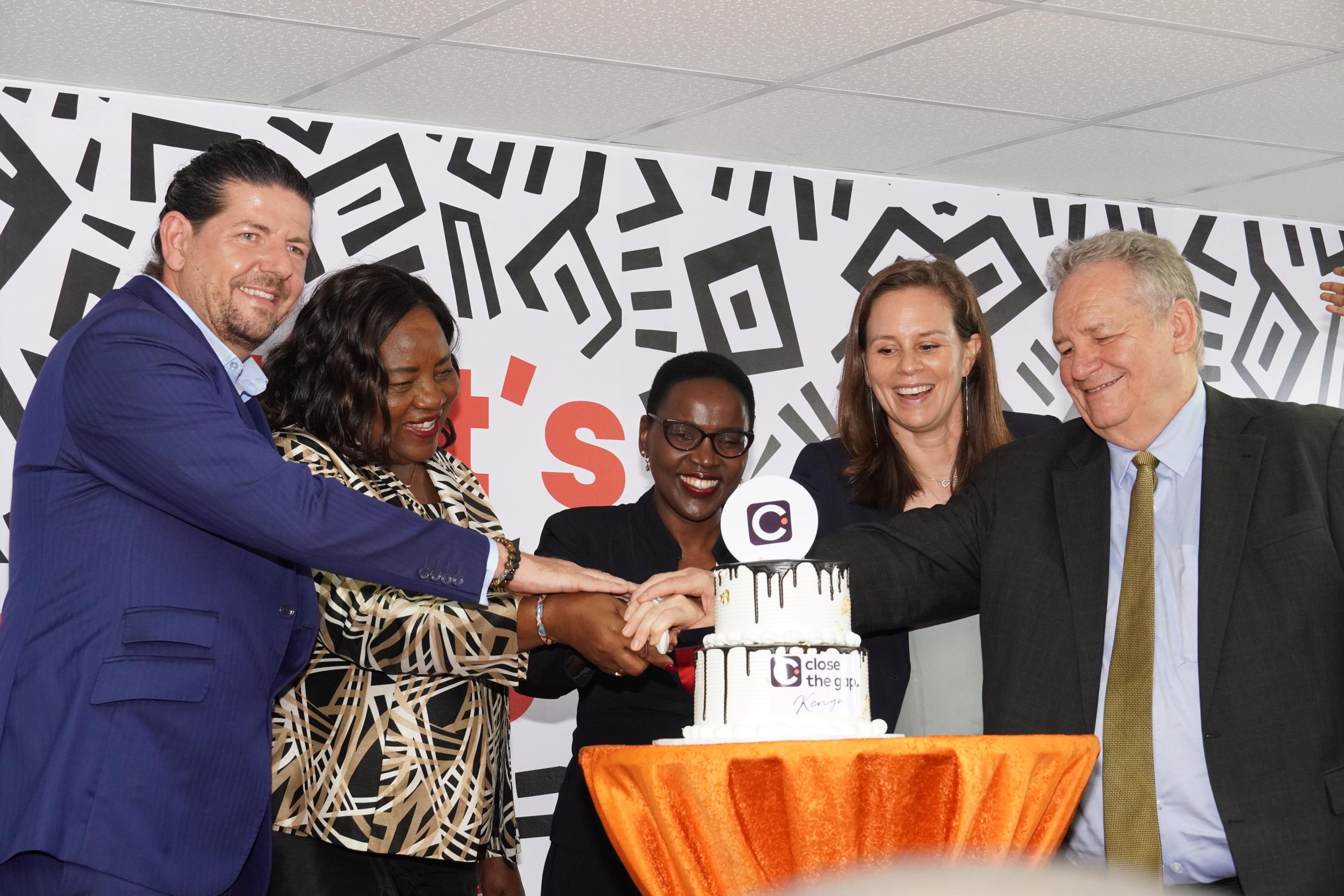
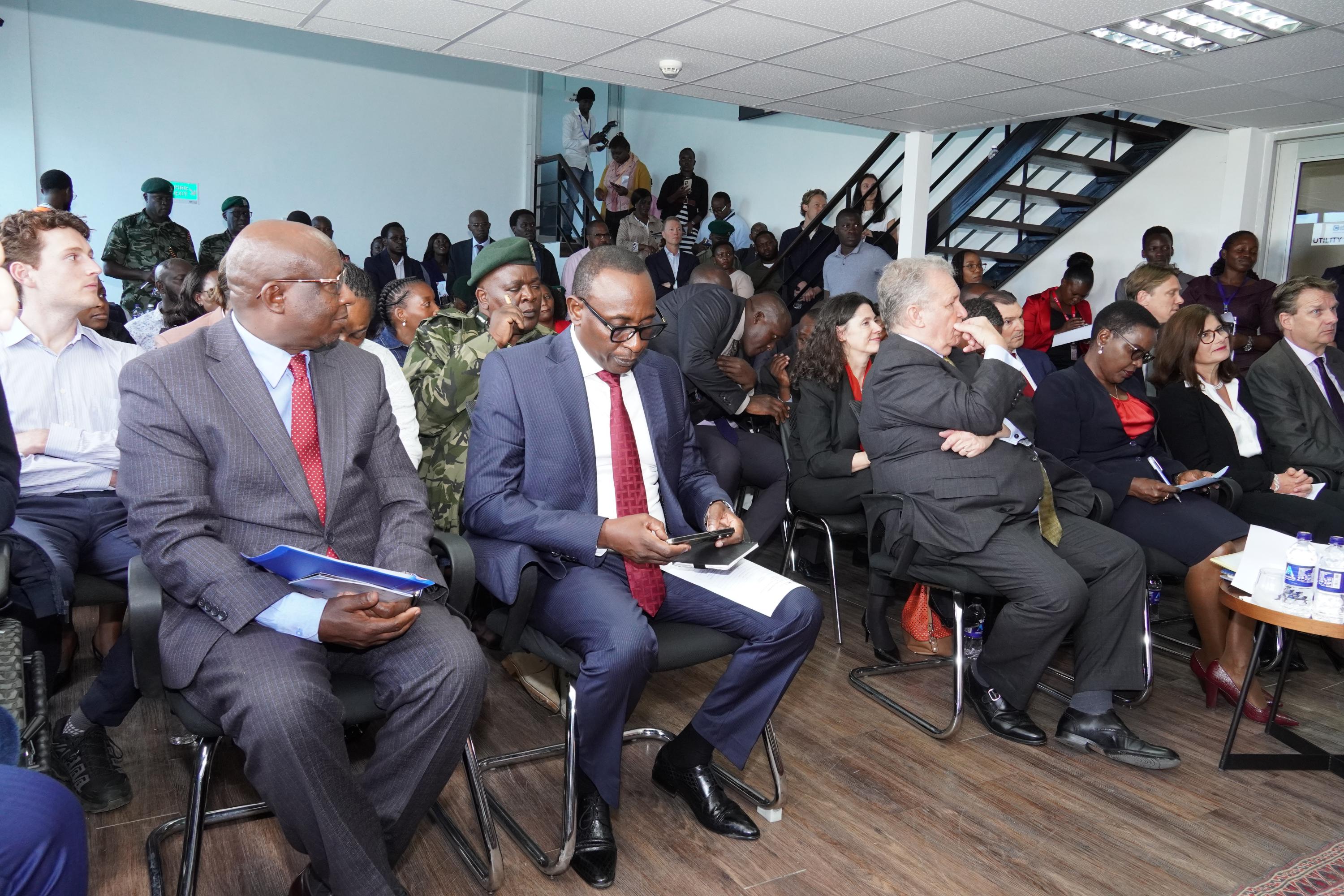
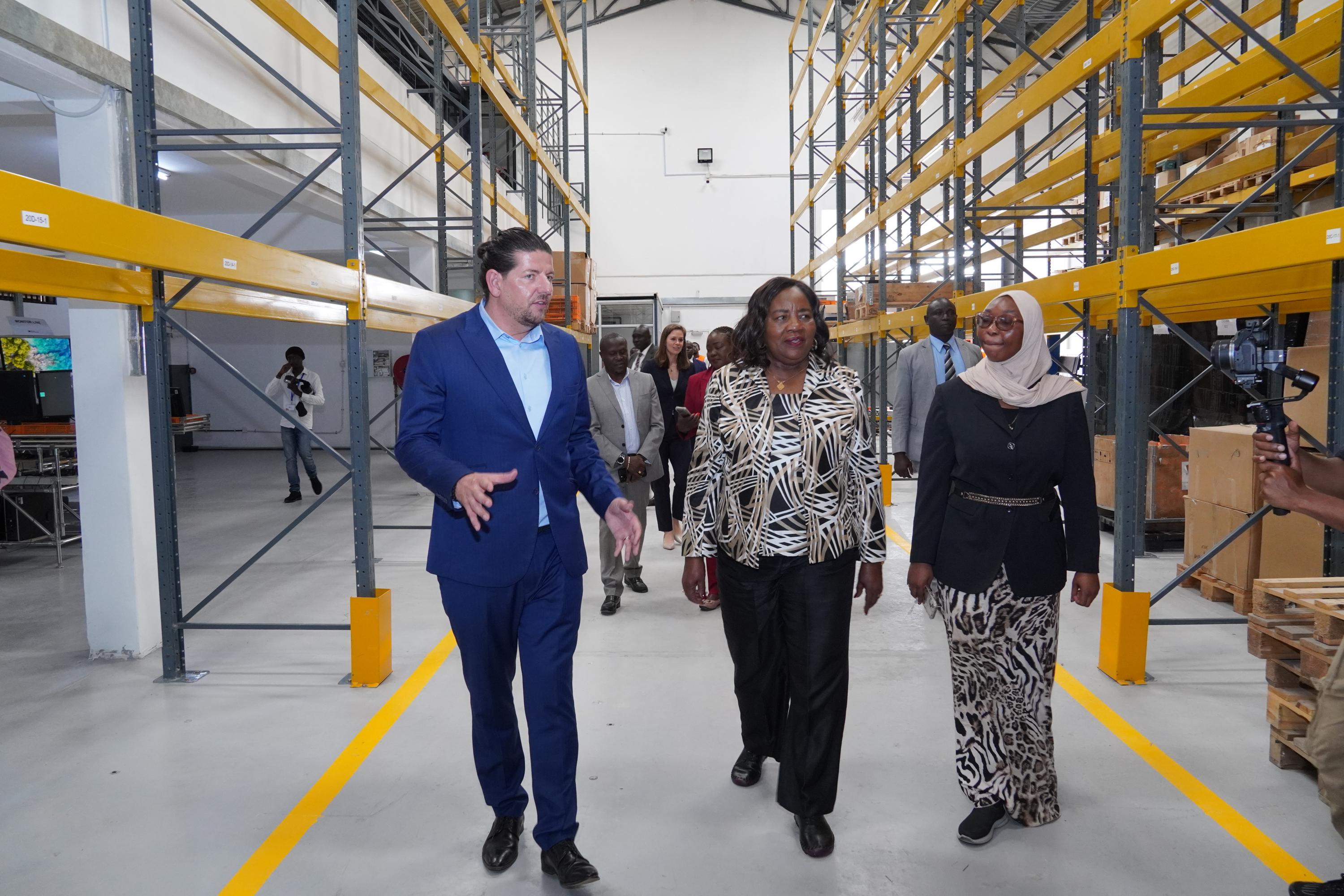
The war on electronic pollution got a big boost on Thursday with the launch of a circular economy hub at Mudher Industrial Park in Syokimau, Machakos county.
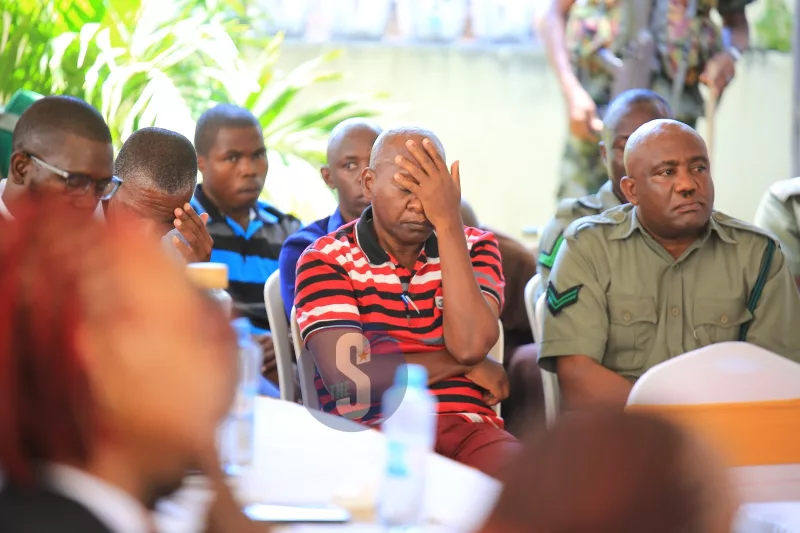
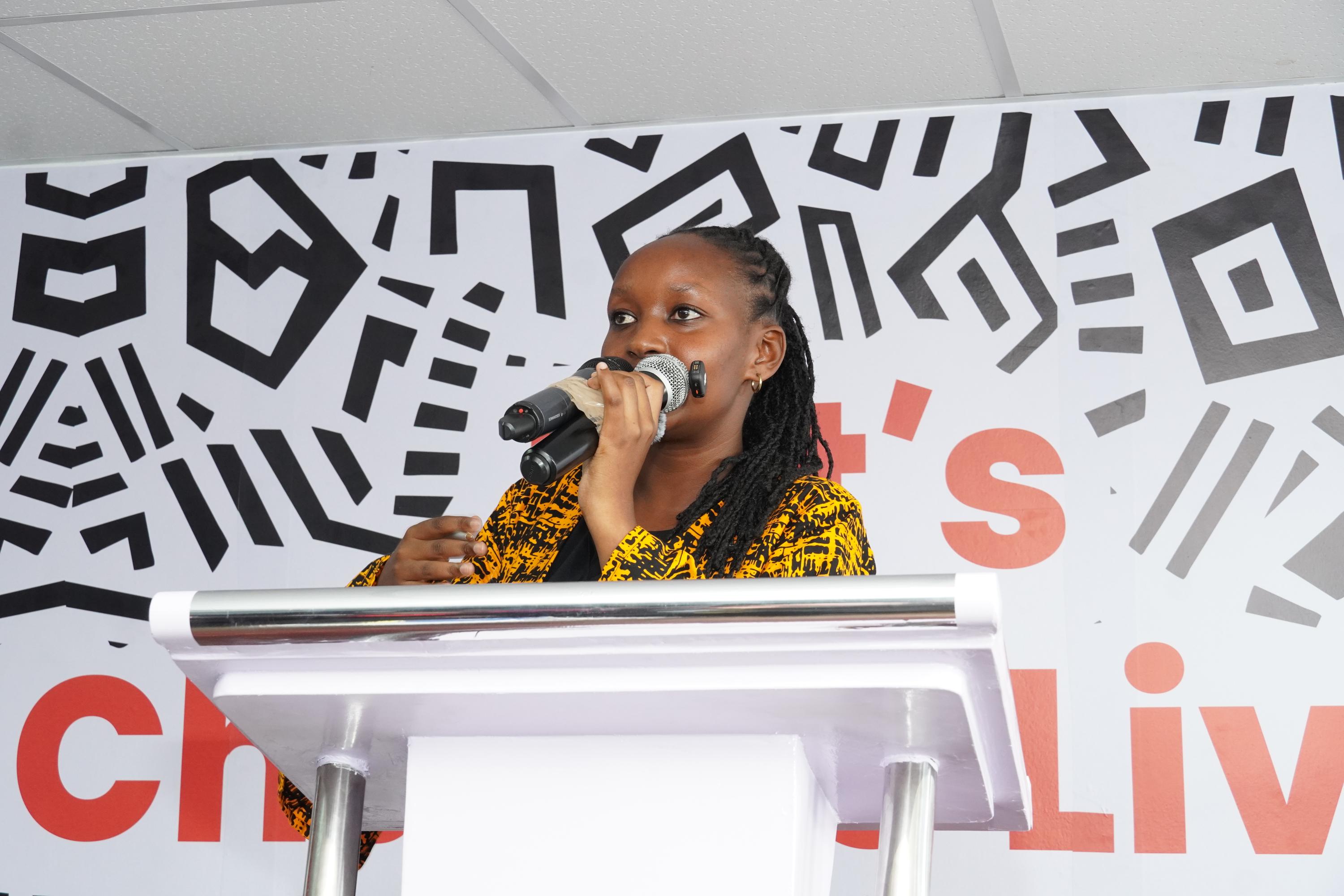
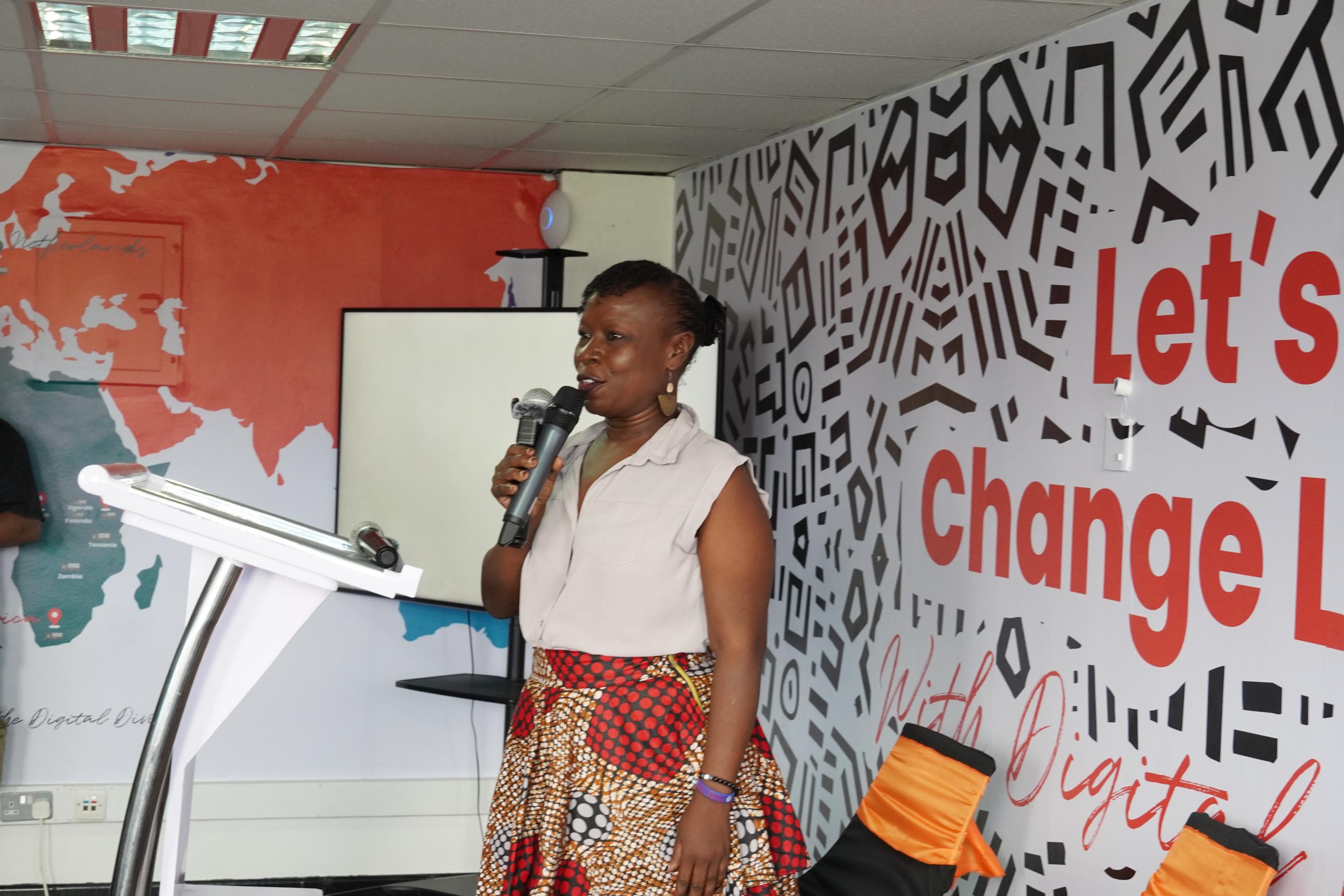
Unep Ambassador Mama Ida Odinga presided over a cake-cutting ceremony to officially open the facility run by Belgian social enterprise Close the Gap, while Correctional Services PS Salome Beacco received a donation of 250 computers for correctional facilities in Kenya. Ex-convict Maureen Awuor shared her testimony as a beneficiary.
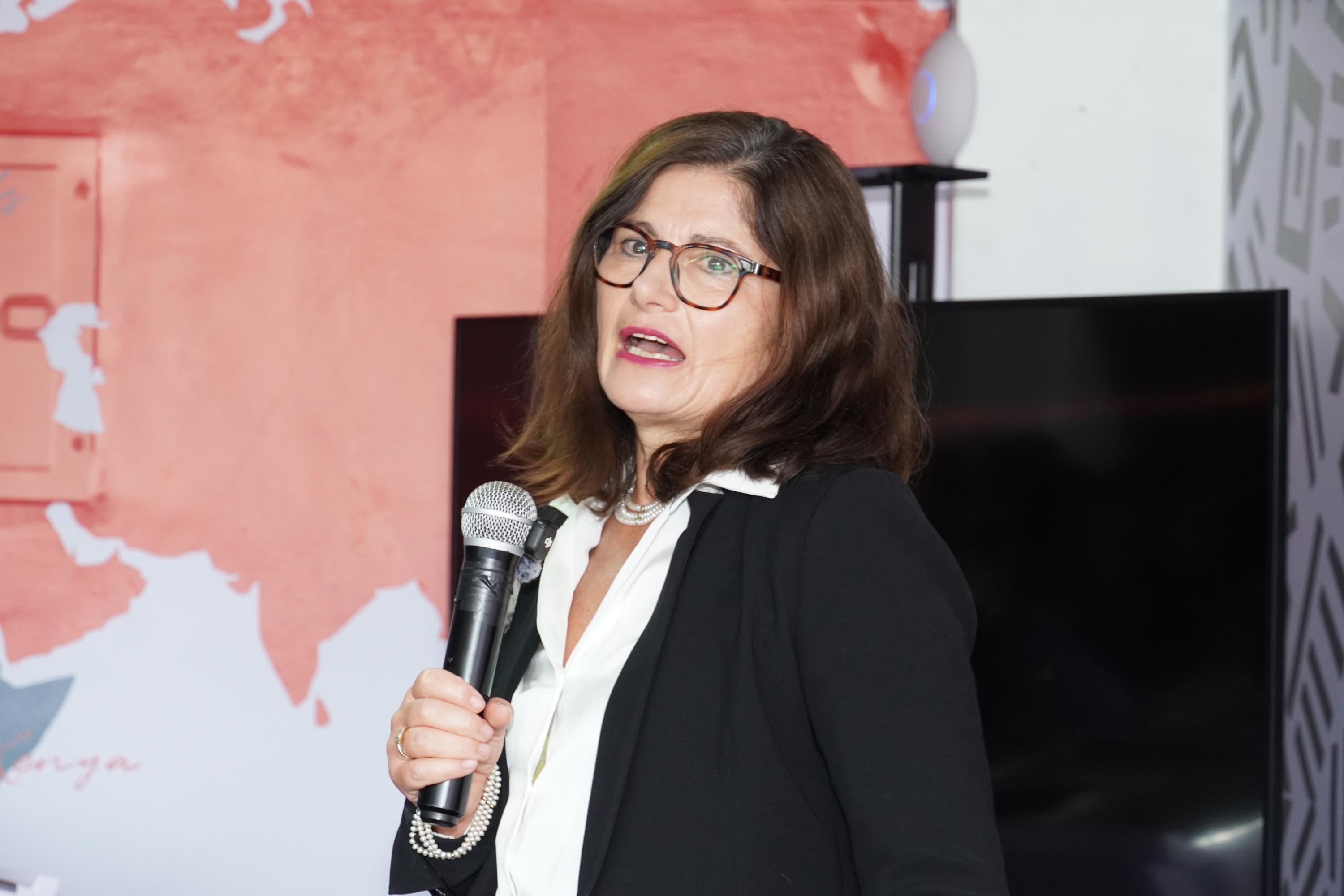
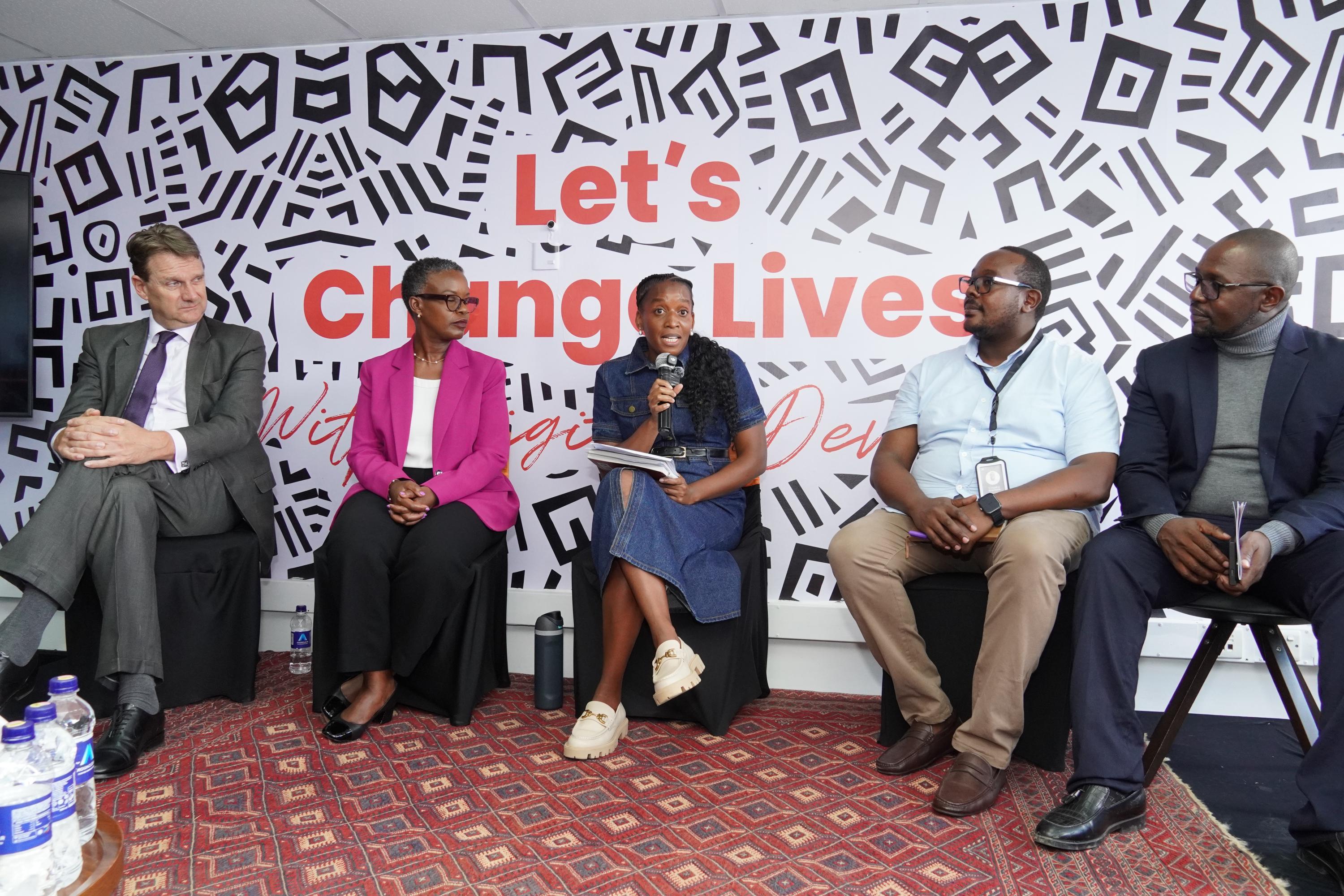
There was a panel discussion with Netherlands Ambassador Henk Bakker, Deloitte CEO Anne Muraya, Raspberry Pi Foundation senior partnerships manager Wariara Waireri, Close the Gap operations manager Timothy Wachira and Tech Kidz Africa CEO Paul Akwabi, moderated by Olivia Otieno, and keynote speeches by EU Ambassador Henriette Geiger and Belgian Ambassador Peter Maddens. Close the Gap CEO Olivier Eynde delivered the vote of thanks.
According to the World Health Organisation, electronic waste (e-waste) is a massive and rapidly growing global crisis, with 62 million tonnes generated in 2022 — enough to fill more than 1.5 million 40-tonne trucks. It is the world's fastest-growing domestic waste stream, fuelled by short product lifespans and high consumption, with only 22.3 per cent documented as properly collected and recycled.
Close the Gap bridges the digital divide by refurbishing end-of-use IT equipment primarily from European corporations and redeploying it to schools, clinics and entrepreneurs in developing and emerging countries.
Founded in Belgium in 2003, it started its first operations in Kenya in 2019. Previously based in Mombasa, the expansion to Syokimau on the outskirts of Nairobi puts it at the heart of the silicon savannah.
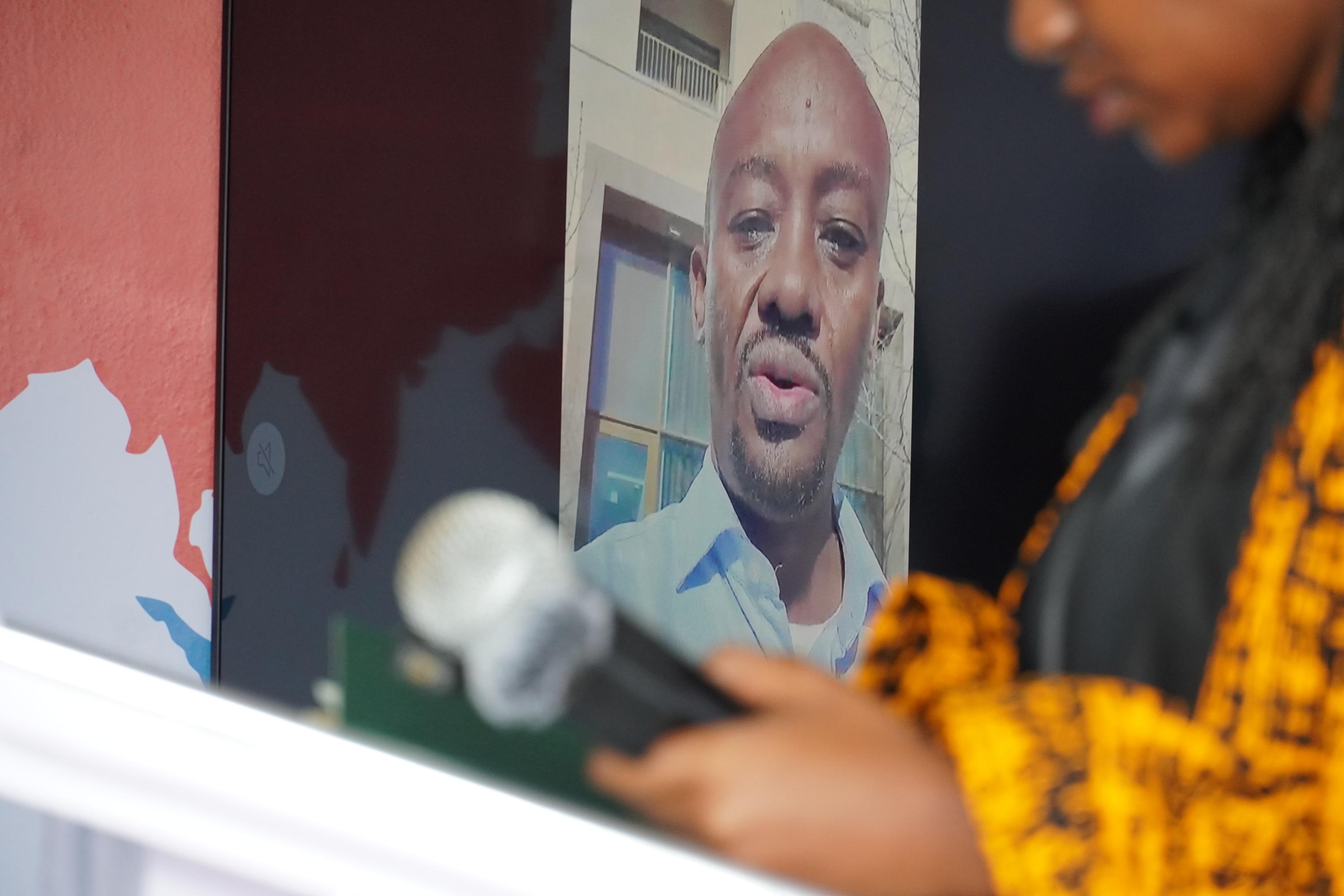
In his closing remarks, Olivier called for more circular hubs in Kenya and in Africa.
"Every device has coltan, which comes predominantly from eastern DRC. If every African in a couple of decades, two billion or so, will also have two, three, four devides, not in a houehold but individually, you can imagine, together with India, with Europe, with China, the world will just not have rare metals enough to cater for that," he said.
"So we need circular economies. We need facilities like this, not one but many more. And as a social enterprise, the beauty of this model is that we don't want to own something indefinitely as a monopolist. We basically want to inspire, and that is basically what today is all about.
"So that other counties, and other countries around Kenya, have circular activities, and at the end of the day, we can all grow with the beauty of technology but without actually carrying the negative effects that it also takes."