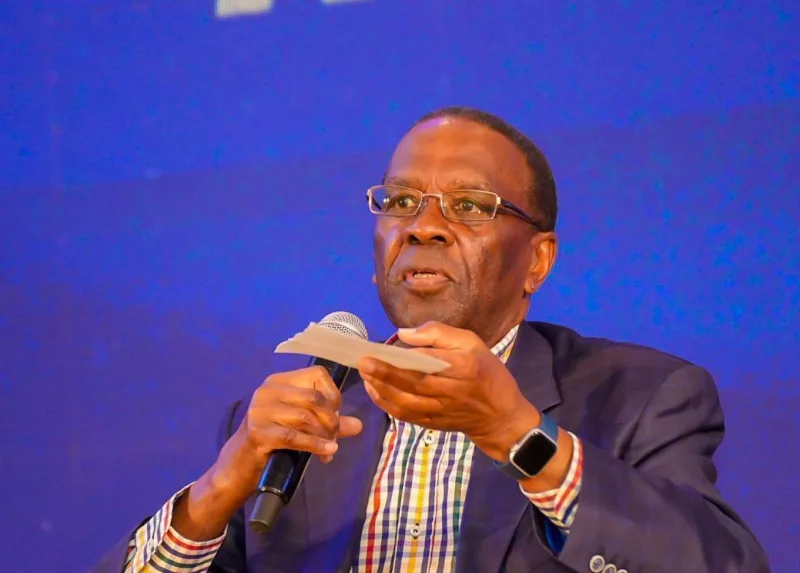
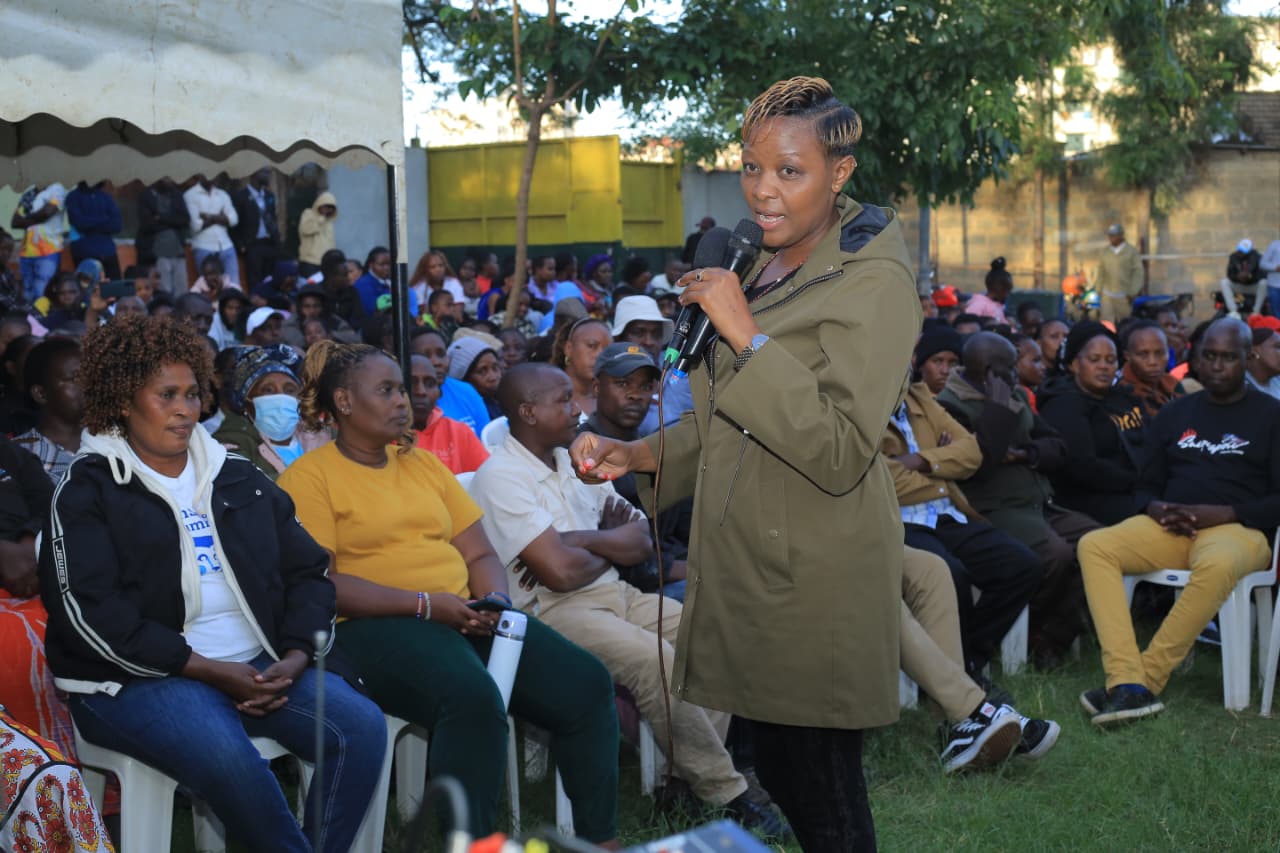
 Nairobi South Ward MCA Waithera Chege during a recent public forum. /HANDOUT
Leaders in Nairobi are urging residents to support a newly signed Sh80 billion agreement between the national government and the county administration.
Led by Nairobi South Ward Representative Waithera Chege, the leaders expressed confidence that the deal will bring significant improvements to the city.
Chege called for equitable distribution of projects across all wards, urging William Ruto to ensure no area is left behind. She criticised previous county administrations for skewed development that favoured select neighbourhoods.
“Our governor failed us, and President William Ruto has come to our rescue. From next month, we expect to see a transformed Nairobi. We don’t want garbage piling up, lack of water, poor street lighting, or substandard hospitals. Our children in ECDE centres must also receive proper meals,” she said.
She added: “We are asking the President to ensure full implementation of what we agreed when we met him at the State House and resolved to drop the impeachment motion.”
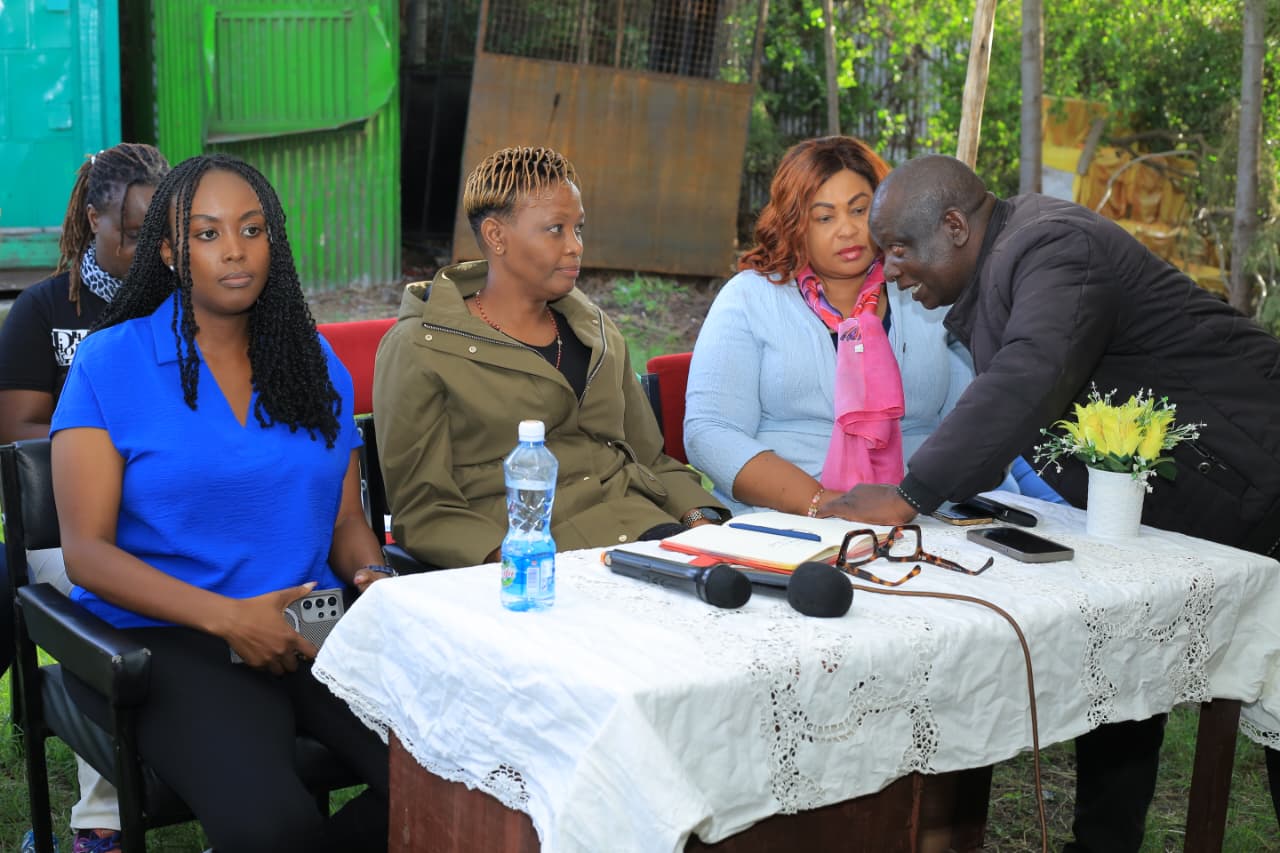 Nairobi South Ward MCA Waithera Chege during a recent public forum./HANDOUT
Justice Gregory Mutai instead directed an expedited hearing of the case, ordering parties to file and exchange submissions ahead of a May 28, 2026, session.
A petition filed by the Katiba Institute and two others seeks to halt the deal, signed on February 17, 2026, pending a determination of its constitutionality. Under the agreement, the national government is expected to boost infrastructure development, improve waste management, and expand access to clean and affordable water.
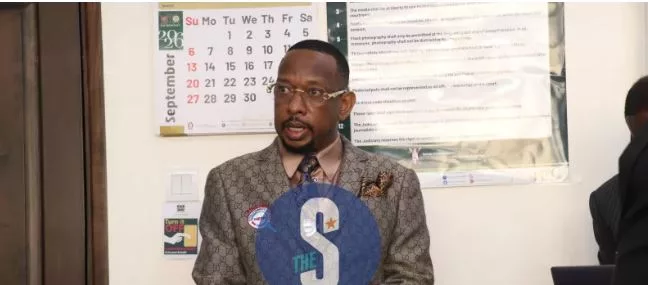
Governor Sakaja defended the partnership as a practical response to Nairobi’s unique role as both a diplomatic hub and the seat of national power. He pointed to the city’s financial constraints, noting that the combined Sh40 billion from equitable share and own-source revenue is insufficient for a capital of its scale.
Drawing comparisons with global cities, Sakaja said while Paris operates on a budget of about Sh1.4 trillion for a population of two million, Nairobi serves a daytime population of up to seven million with far fewer resources.
“Nairobi generates about 60 per cent of the country’s GDP and requires additional resourcing and coordination to reach its full potential,” he said.