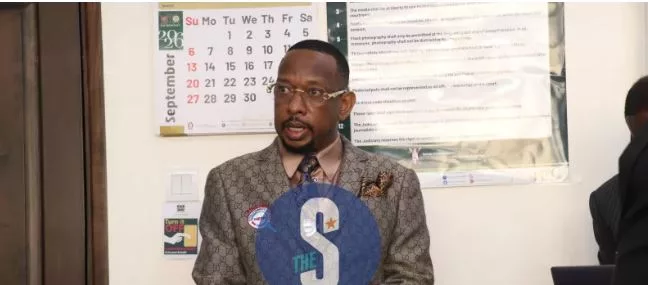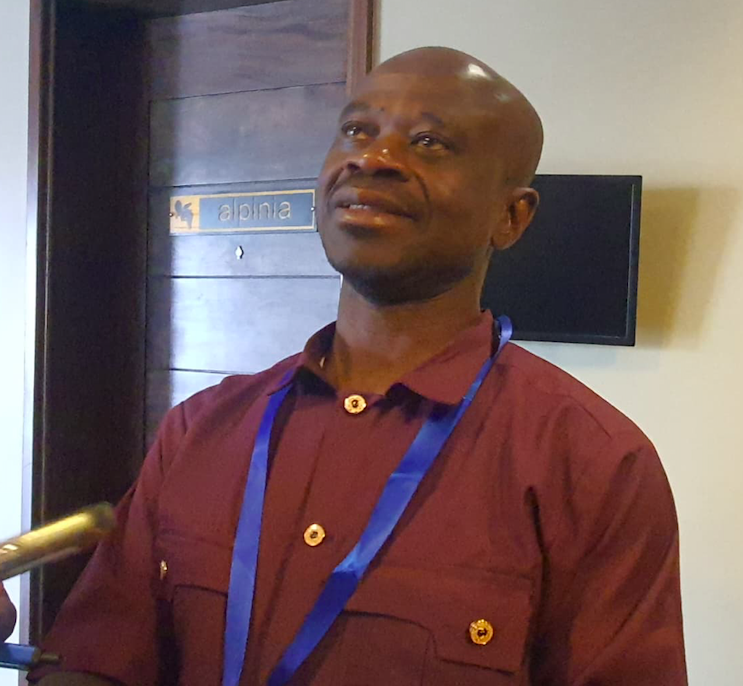
Chair of the African Group of Negotiators (AGN), Dr Nana Antwi/Gilbert Koech.
African negotiators have called for agriculture and gender to be prioritised in global climate talks.
They warn that without inclusive financing and targeted action, Africa risks being left behind.
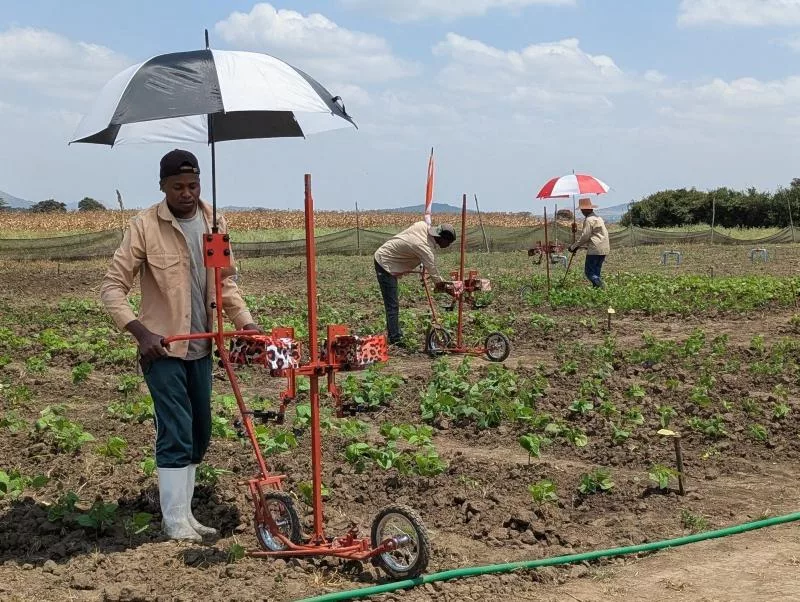
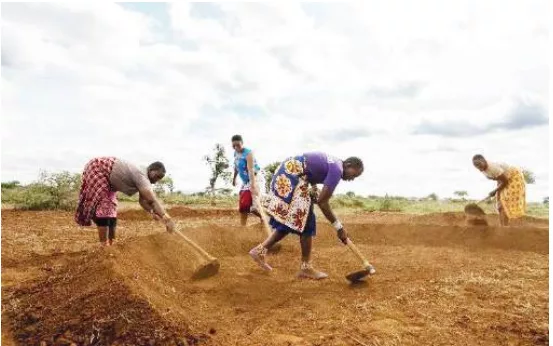
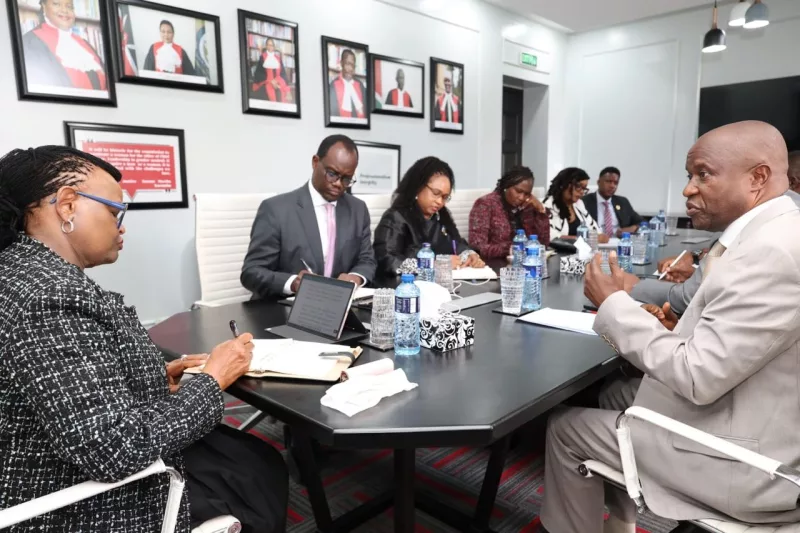
Meeting in Nairobi ahead of the upcoming United Nations Framework Convention on Climate Change negotiations, experts said integrating food systems and gender considerations into climate policy is critical to delivering real impact on the continent.
The discussions are meant to shape Africa’s position ahead of the 64th Sessions of the Subsidiary Bodies, scheduled for June in Bonn, Germany, where key frameworks on agriculture, food security, gender and climate finance will be negotiated.
African Group of Negotiators chair Nana Antwi said climate finance remains the most urgent priority, noting that implementation of climate action depends heavily on funding.
“Even with capacity and technology, it is finance that delivers the technology,” he said, stressing the need to link adaptation efforts to accessible funding.
The Nairobi meeting, convened by the African Group of Negotiators Experts Support, focused on aligning continental priorities, building common positions and strengthening Africa’s bargaining power on the global stage.
Negotiators identified adaptation, climate finance and a just transition as central pillars, with calls to develop a framework tailored to Africa’s unique socio-economic realities.
Experts warned that many African countries are struggling to submit their climate action plans due to limited financial resources.
This underscores the need for stronger public financing mechanisms in global agreements.
They also emphasised the importance of embedding gender in climate policy, noting that women and girls are disproportionately affected by climate change through increased poverty, food insecurity and vulnerability.
According to global data cited at the meeting, climate change could push up to 158 million more women and girls into poverty by 2050, highlighting the urgency of inclusive action.
Participants further stressed the need to strengthen data systems and access to information to guide negotiations.
They also drew attention to emerging issues such as seabed mining and its implications for Africa’s future energy transition.
With Africa among the regions most exposed to climate shocks, negotiators said the upcoming talks present a crucial opportunity to push for equitable solutions that address food security, livelihoods and social inclusion.
The Nairobi meeting signals a coordinated effort by African negotiators to enter the global climate talks with a unified voice, pushing for reforms that reflect the continent’s priorities and vulnerabilities.