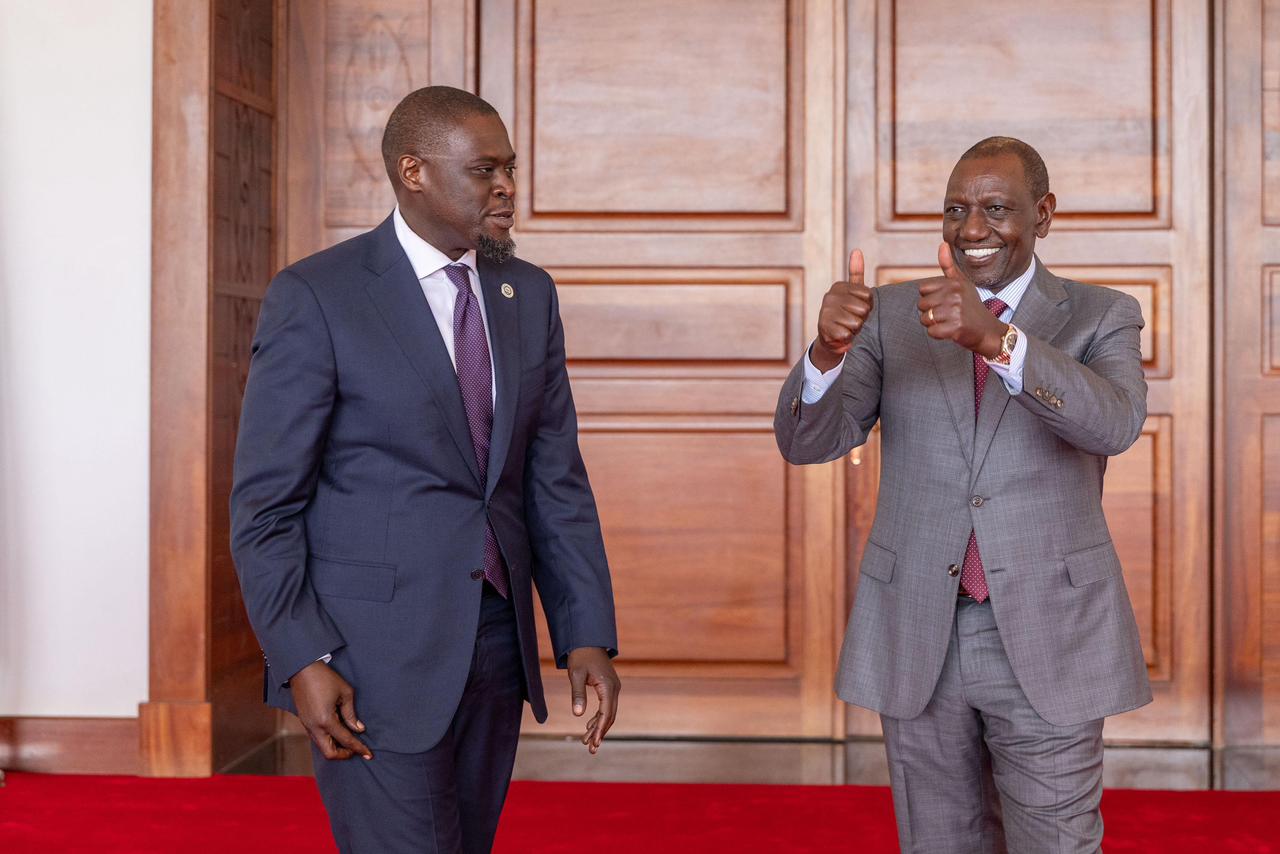
 Nairobi Governor Johnson Sakaja with President William Ruto./HANDOUT
The High Court has dealt a blow to attempts to freeze the multi-billion-shilling cooperation agreement between the national government and Nairobi County, choosing instead to fast-track a full hearing of petitions challenging the deal.
In a ruling delivered by Justice Gregory Mutai on April 20, 2026, the court declined to suspend implementation of the agreement between President William Ruto and Nairobi Governor Johnson Sakaja, opting not to issue interim conservatory orders.
Instead, the judge directed that the matter proceed urgently to a full hearing through written submissions.
The decision means the pact remains in force for now, even as its legality continues to be tested in court.
Petitioners had urged the court to temporarily suspend the agreement while the case is heard. However, after listening to arguments from both sides, the court ruled that the issues raised should be determined substantively rather than through interim orders.
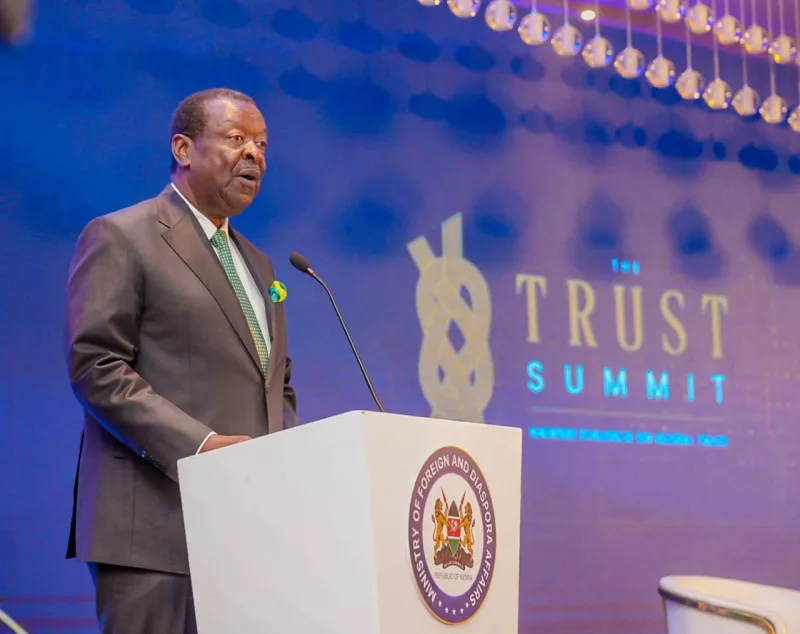
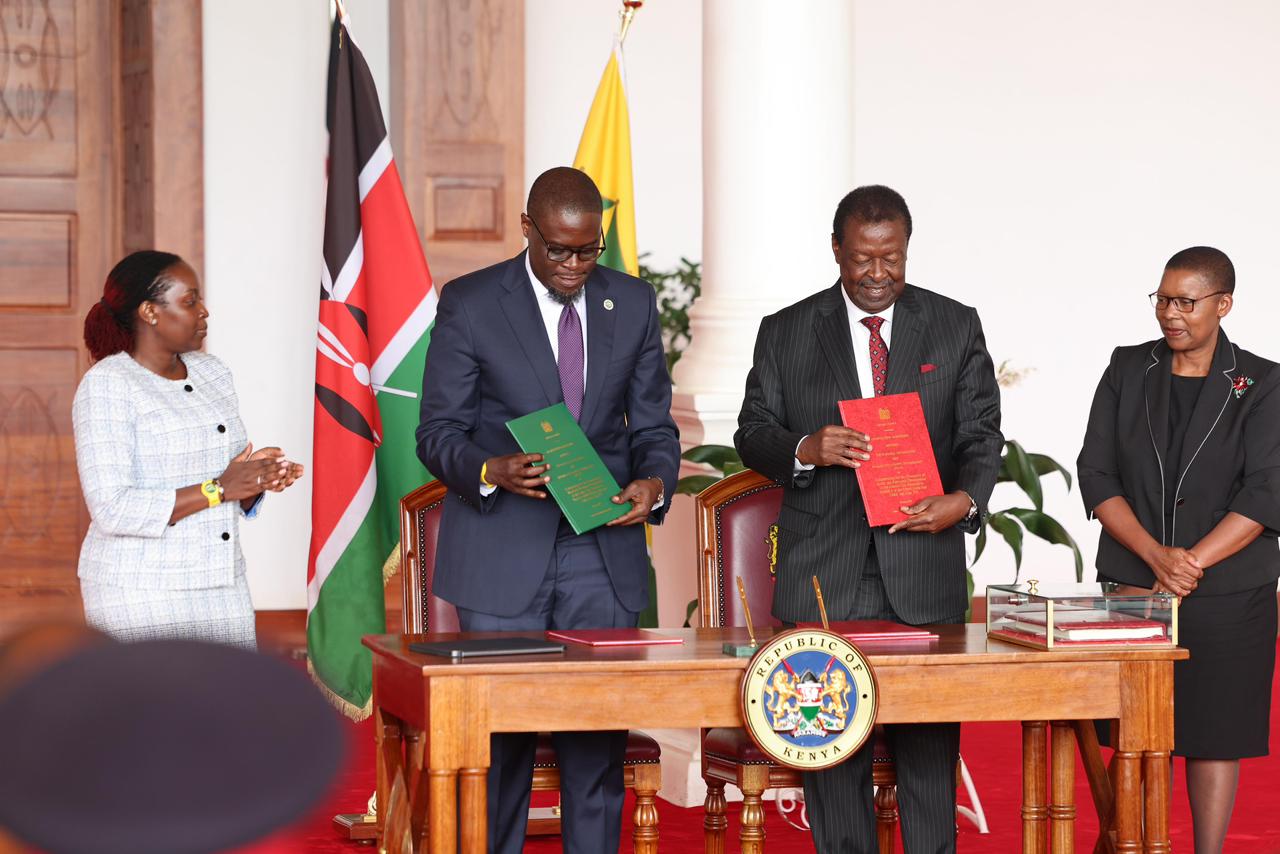 Nairobi Governor Johnson Sakaja with Prime CS Musalia Mudavadi during the signing of the Sh80 billion pact/HANDOUT
The case is scheduled for highlighting of submissions on May 28, 2026, at 10:30 a.m.
Even as the legal battle plays out, the cooperation agreement is already reshaping parts of the capital, with several flagship projects underway.
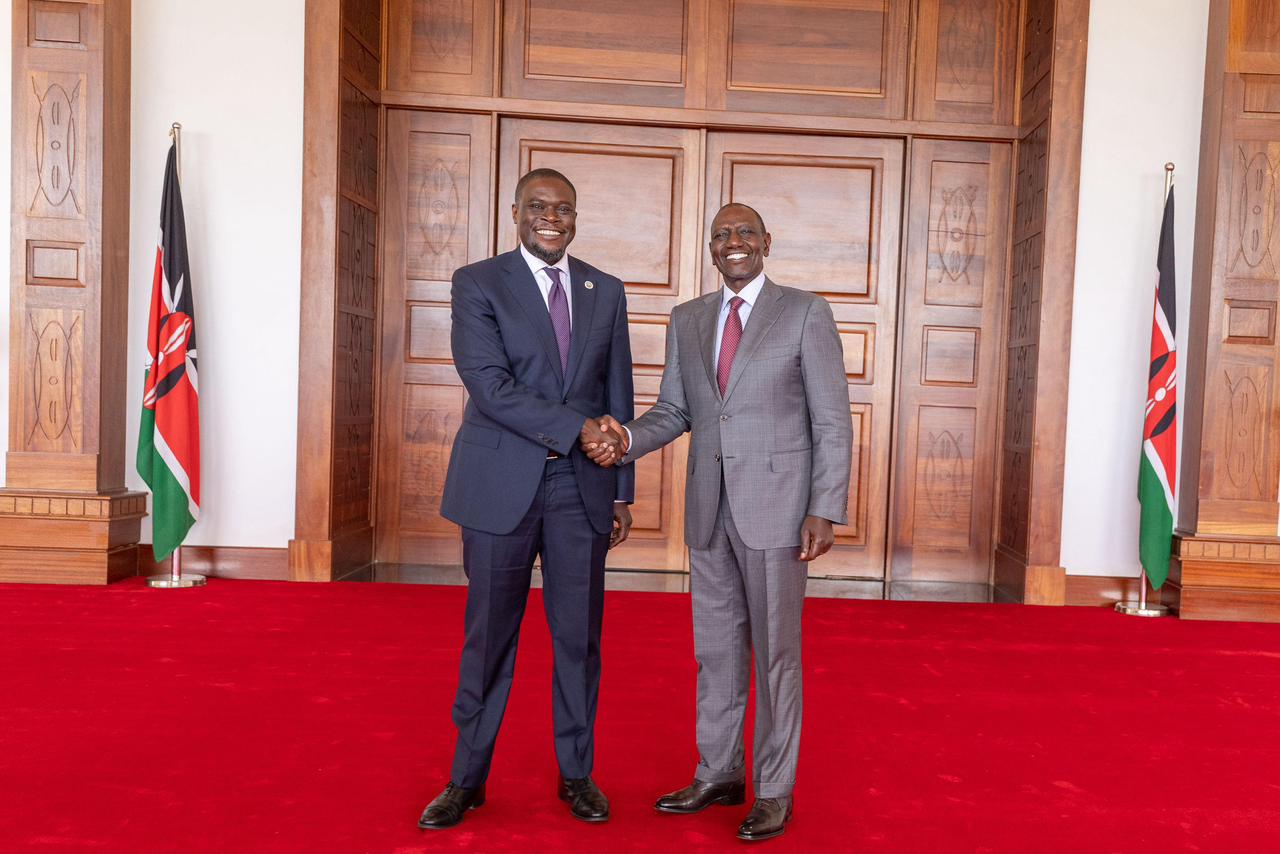 Nairobi Governor Johnson Sakaja with President William Ruto./HANDOUT
Speaking during the groundbreaking ceremony last week, Governor Sakaja said the project would transform livelihoods in the area.
“You elected me to protect your interests. This new market is a game changer—it is modern and organised and will improve business operations and customer experience. In six months, the story will begin to change,” he said.
Elsewhere, efforts to reclaim the Kibagare River are ongoing, with plans to develop a public park in the Westgate area by year’s end. Similar regeneration projects are also planned for Globe Roundabout and Kamukunji Grounds.
The broader Nairobi regeneration agenda under the agreement also includes the rehabilitation of the Nairobi River, with a 54-kilometre sewer line aimed at boosting drainage capacity for the next 50 years.
In addition, the pact covers the construction and maintenance of nearly 300 kilometres of roads, as well as the installation of about 100,000 floodlights across estates and major highways.
Both President Ruto and Governor Sakaja have defended the cooperation framework, insisting it is anchored in law, including provisions of the Urban Areas and Cities Act, which allows collaboration between national and county governments to improve service delivery.
With the High Court declining to suspend the deal, attention now shifts to the upcoming hearing, where the legality of the Ruto–Sakaja agreement will be fully determined.