Kenya has placed reparatory justice for colonialism and enslavement at the centre of a United Nations gathering in Geneva this week.
Using its leadership of the UN Permanent Forum on People of African Descent, the country pushed for the return of looted cultural artefacts, portable social benefits for the African diaspora and stronger protection for African youth.
Read Also
The fifth session of the forum opened on Tuesday at the Palais des Nations and runs until April 17, under the theme “Expanding the human rights of people of African descent under the Second International Decade for People of African Descent.”
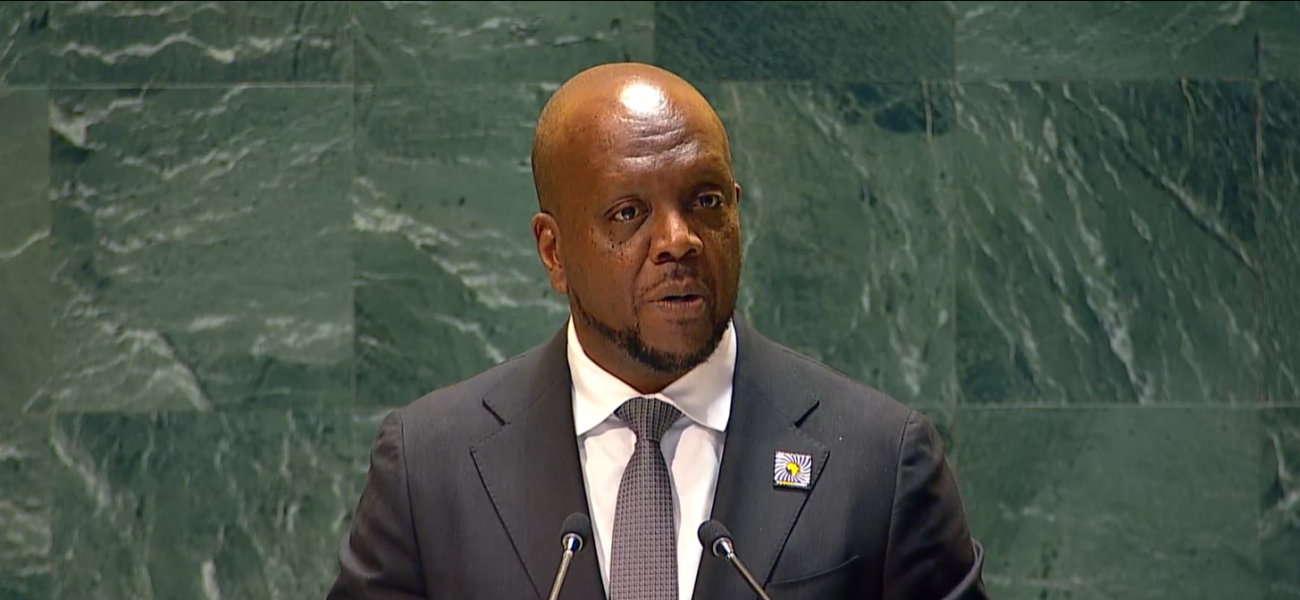
Ambassador Martin Kimani, Kenya’s former Permanent Representative to the UN and the outgoing chair of the forum, told delegates that the continent cannot pursue meaningful reparations abroad while its own foundations remain unrepaired.
“Without Africa repairing the fundamental cracks in its foundations, the diaspora will never be whole,” Kimani said.
He added; “If we do not do this, we shall proceed with a language of reparations without an inner content of political independence and the strengthening of Africa from its root.”
The High Commissioner for Human Rights, Volker Türk, told the opening session that reparatory justice is “key to dismantling systemic racism”.
He warned that poverty rates among people of African descent remain consistently higher than the general population and that “digital technologies, including AI, are reproducing and amplifying existing biases.”
UN secretary general António Guterres underscored the far-reaching impact and scope of racial discrimination on human rights.
“The fight against racism is inseparable from the wider struggle for human rights and human dignity. Across the world, the rights of people of African descent are routinely – and often flagrantly–violated,” Guterres said in his address on Tuesday.
“Subtler forms of racial discrimination leave deep and lasting wounds. And stark inequalities in power, resources, opportunities and outcomes–break down along colour lines.”
He urged all countries to deliver on the Durban Declaration and Programme of Action and increase efforts to eliminate racism and racial discrimination.
“And I call for bold steps to promote, protect and fully respect the human rights of people of African descent.”
Kenya’s priorities at the forum reflect three main pillars. On reparatory justice, officials have consistently advocated for the return of cultural artefacts looted during the colonial era.
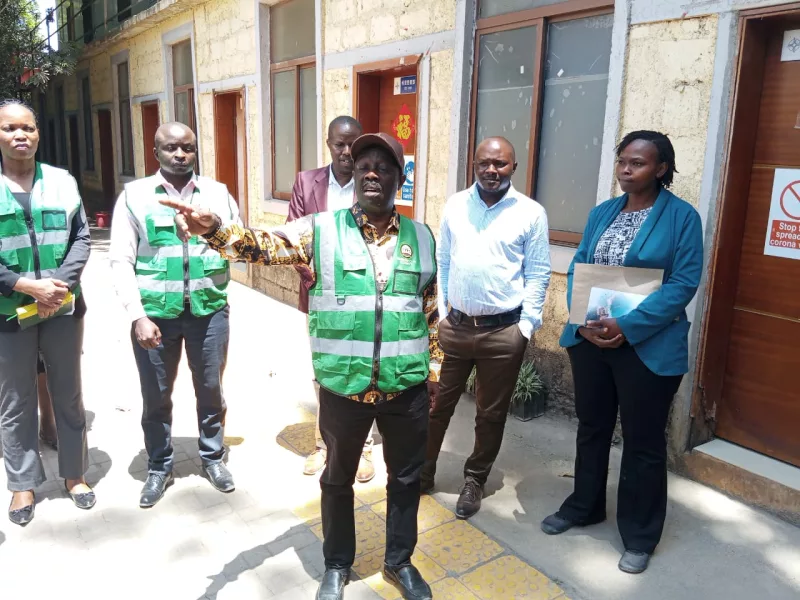
In March, 30 sacred Mijikenda totems known as vigango were returned to Kenya from the Denver Museum of Nature and Science following lengthy negotiations.
Kaya elders in Kilifi county say the continued storage of such artefacts in museums has brought “catastrophic consequences, including madness, illnesses” and “discord in families.”
Baya Mwalupembe, a Kaya elder, stated; “What followed after the disappearance of these vigangos was that people started disappearing mysteriously, others died in unclear circumstances and others run mad.”
On economic and digital equity, Kenya has pushed for “social benefits portability” — allowing members of the African diaspora to retain pension and healthcare entitlements when they return to their home countries.
Prime Cabinet Secretary Musalia Mudavadi said last year; “Facilitation of social benefits portability will allow the diaspora to migrate back safely and in an orderly manner, in line with article 22 of the Global Compact for Migration.”
On youth rights, the forum is examining the specific human rights challenges faced by young people of African descent globally.
The secretary general’s message urged “elevating the voices of youth of African descent,” while panels are scrutinising the human rights situation of African youth.
The forum is taking place during the Second International Decade for People of African Descent.
The session also marks the 25th anniversary of the Durban Declaration and Programme of Action, the most comprehensive global framework for combating racism.
Alongside the push for standardised data on racial disparities, the forum is expected to call for concrete legislative reforms in member states.
This is to prohibit racial profiling and for the integration of the history of people of African descent into national education curricula worldwide.
The incoming chair, Gaynel Curry, outlined the session’s primary goals as advancing reparatory justice, speaking and listening to youth of African descent and strengthening the forum itself.