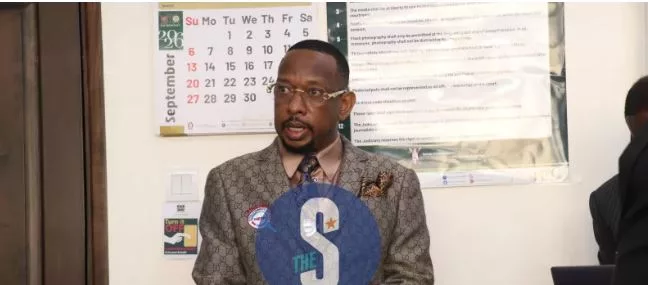
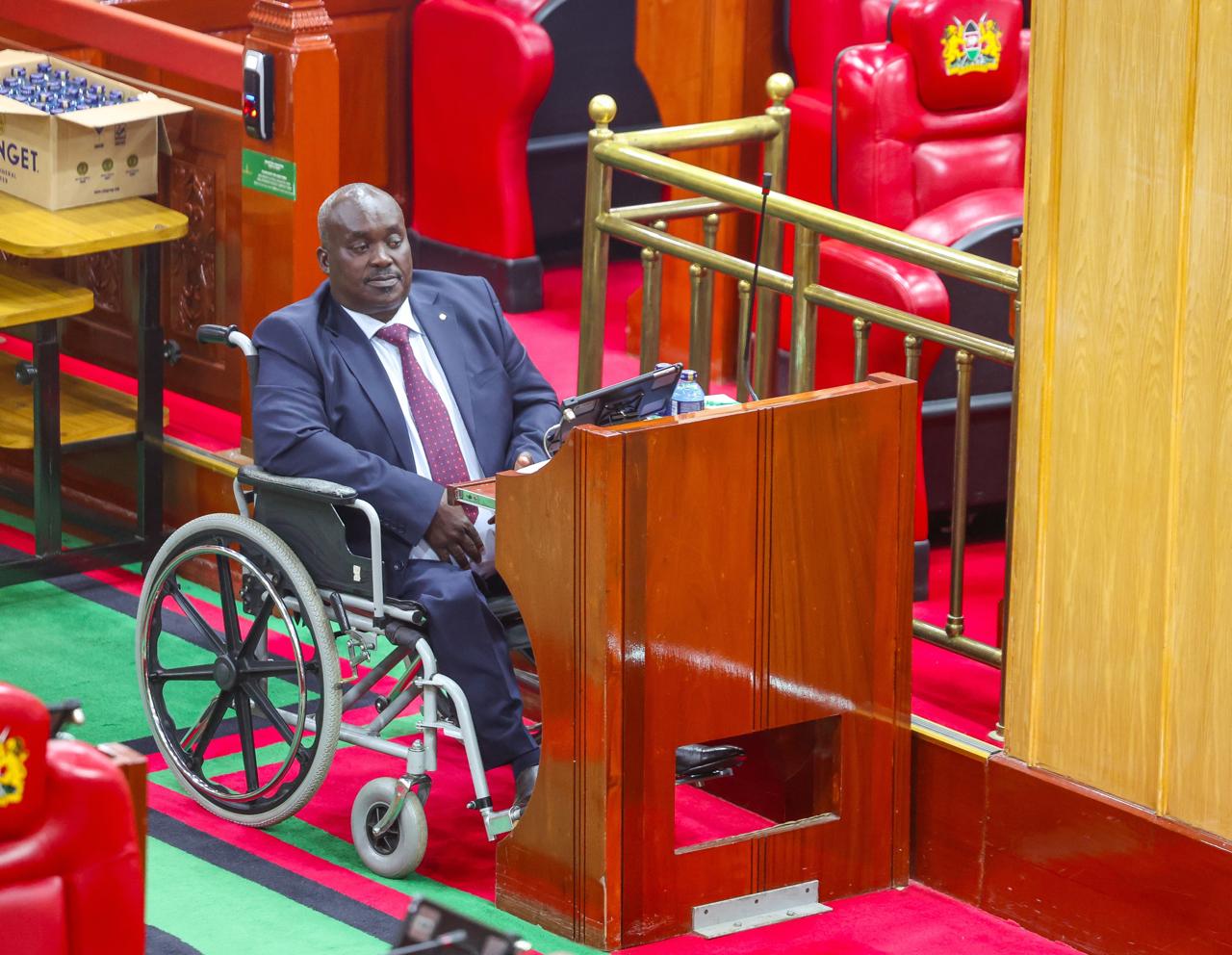
 Nominated MP Hon. Harold Kipchumba./HANDOUT
Nominated MP Hon. Harold Kipchumba has called for stronger political and institutional commitment to ensure meaningful inclusion of persons with disabilities (PWDs) in decision-making processes across all levels of governance.
Speaking during a panel discussion at a webinar hosted by the Centre for Parliamentary Studies and Training (CPST), Kipchumba expressed concern that despite Parliament enacting the Persons with Disabilities Act, 2025, there is still no clear framework to enforce its implementation.
“This matter tests not just our laws—but our honesty as a people: the inclusion of persons with disabilities in governance. Kenya is not short of commitments. We have signed conventions, passed laws, and drafted policies. But rights on paper do not change lives—implementation does,” he said.
He noted that while the legislation is progressive, it remains incomplete without a structured enforcement mechanism to ensure compliance across government institutions.
“We legislate inclusion at 5%—but practice it at 2%. We cannot enforce compliance outside Parliament when we are non-compliant inside it,” he added.
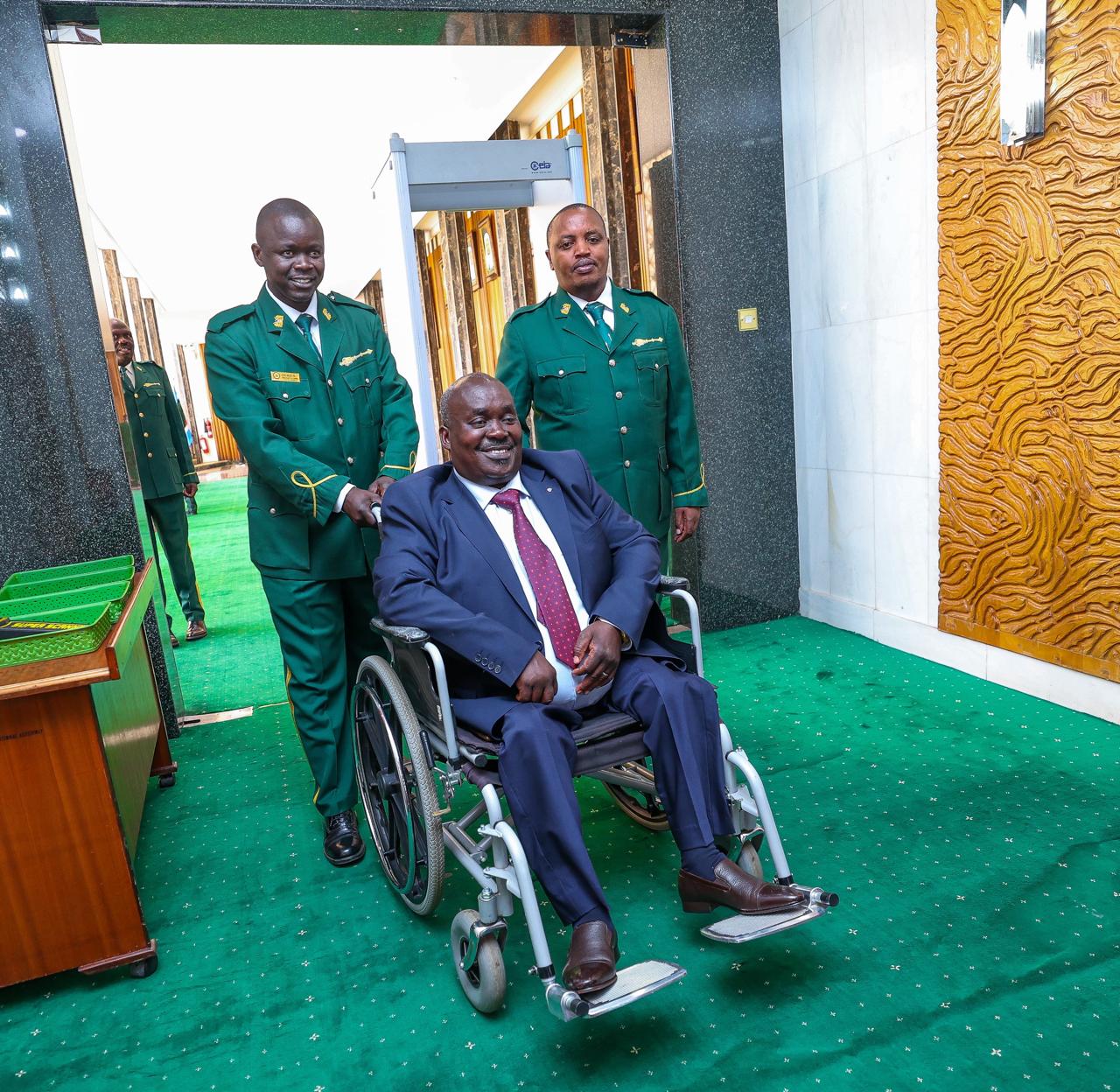 Nominated MP Hon. Harold Kipchumba./HANDOUT
“As KEDIPA, we recently approached the Speaker to push for the establishment of a Disability Inclusion Committee to oversee MDAs on disability inclusion,” he said.
Currently, oversight on inclusion of persons with disabilities within governance is handled by the National Cohesion and Equal Opportunity Committee, which also deals with broader diversity and inclusion issues.
The webinar, themed “Beyond Tokenism: Strategically Mainstreaming Disability Inclusion in Governance,” brought together over 200 participants, including experts and stakeholders in the disability rights sector.
Among the experts was Dr. Samuel Kabue, Commissioner at the Church Commission on International Affairs at the World Council of Churches and Chairperson of the Caucus on Disability Rights Advocacy (CDRA), alongside Ms. Elizabeth Chesang, Chairperson of the National Council for Persons with Disabilities (NCPWD), and Dr. Michael Munene, Executive Director at the Council.
The experts lamented that despite constitutional and legal provisions, disability inclusion is still often treated as an afterthought in both public and private institutions.
“We need to see how both public and private institutions can embed disability inclusion in their planning and budgeting processes,” Dr. Kabue said.
Participants at the forum also questioned how the implementation of the new law would fast-track constitutional requirements, which provide that persons with disabilities occupy at least 5% of elective and appointive positions. The Persons with Disabilities Act, 2025 reinforces this target, including enforcement of the 5% employment and political participation threshold.
Concerns were also raised over the continued underrepresentation of persons with psychosocial, intellectual, and neurodevelopmental disabilities, who often face stigma and exclusion.
Speakers further called for improved data collection to establish accurate statistics on persons with disabilities, as well as more meaningful engagement in policymaking processes.
“When it comes to meaningful inclusion, parents and caregivers of persons with disabilities should not just be invited to comment after a policy is drafted, but included in rooms when priorities are set. They should have real power in planning, budgeting and monitoring,” participant Redempta Mbugua said.