Musicians across Kenya are set to benefit from a new government directive that significantly raises the cost for politicians to use music during their campaigns.
The Ministry of Youth Affairs, Creative Economy, and Sports has gazetted new tariffs aimed at ensuring artists are fairly compensated as the 2027 election cycle gains momentum.
The new regulations are contained in the Consolidated Music and Audiovisual Works Tariff. These rules require political parties and individual candidates to pay a specific fee to publicise their platforms using copyrighted music.
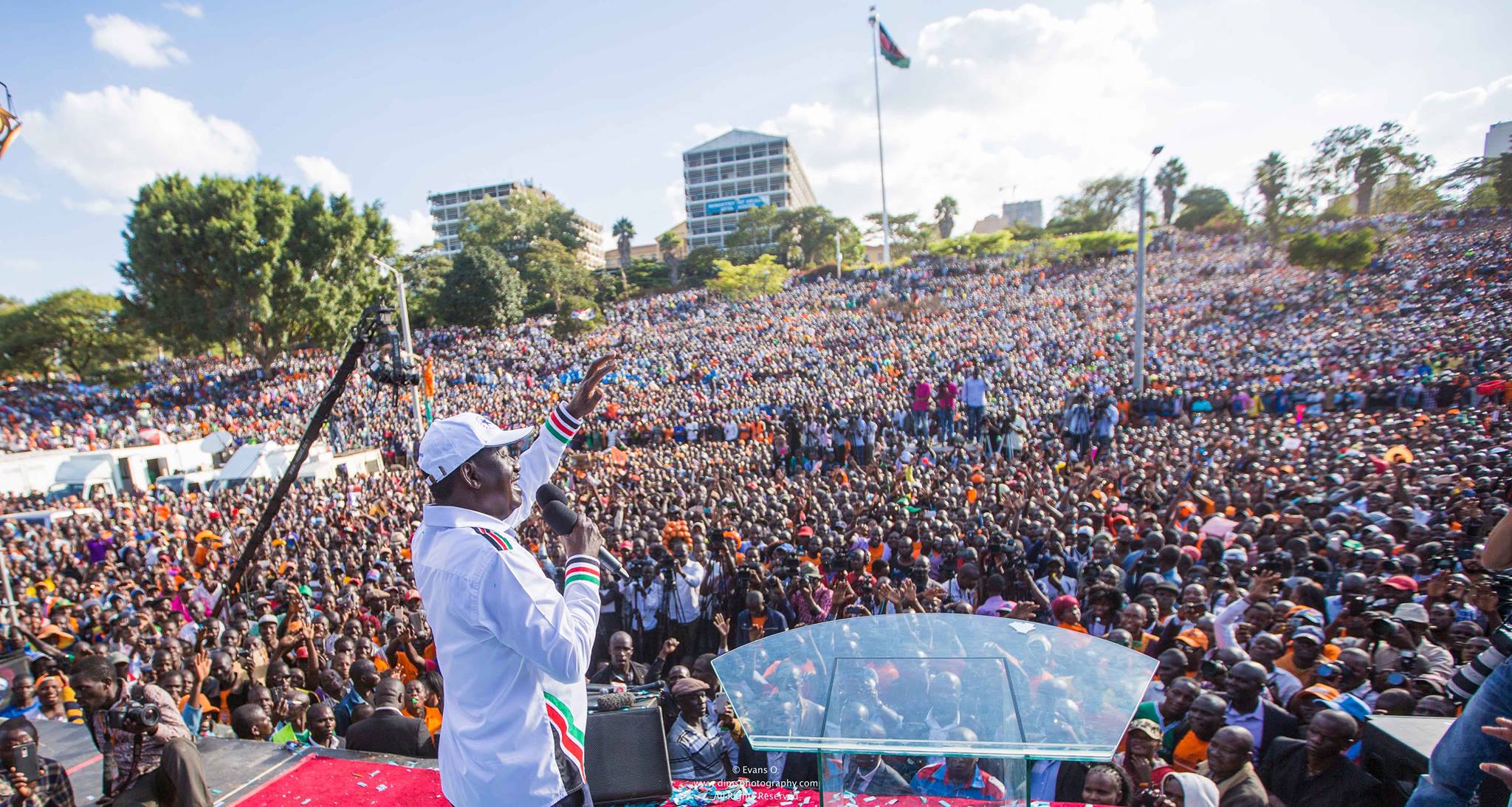
This move is designed to boost the earnings of creatives who often see their work used extensively during the high-octane campaign season.
A New Price for the Playlist
Under the new guidelines, political parties face the highest flat rate. Any party wishing to use music for its launches, rallies, and general campaign activities must now pay 600,000 shillings per year.
Individual candidates are also subject to a tiered payment system based on the office they are seeking. A presidential candidate, for instance, must part with 500,000 shillings to use music when unveiling their bid for State House.
The musicians hope the new tariffs will cushion them from the hard economic times and help them put food on their tables.
The costs continue down the ballot:
- Governors: 200,000 shillings
- Senators: 150,000 shillings
READ TOO: 2027 Power Shift: Kenyan Female Celebrities Eyeing Major Political Seats
- Members of the National Assembly (including Woman Representatives): 100,000 shillings
- Members of the County Assembly (MCAs): 15,000 shillings.
Boosting the Creative Economy
The Cabinet Secretary for Youth Affairs, Creative Economy and Sports, Salim Vurya, published the gazette notice as part of a wider effort to formalise the creative sector. For years, Kenyan artists have raised concerns about their intellectual property being exploited during elections without any financial return.
Leading political musicians have welcomed the move. They argue that the high-pressure environment of political entertainment often takes a toll on their resources. These new tariffs establish a legal framework to ensure that when a song becomes a campaign anthem, the creator is properly compensated.

Looking Toward 2027
As the 2027 political period begins in earnest, the government’s intervention aims to professionalise how music is used in the public sphere.
For many artists, music is their primary trade. The challenges of the current economy have made it difficult for many in the industry to sustain a living. Musicians have expressed optimism that this windfall will provide the necessary financial security to continue their work beyond the election season.